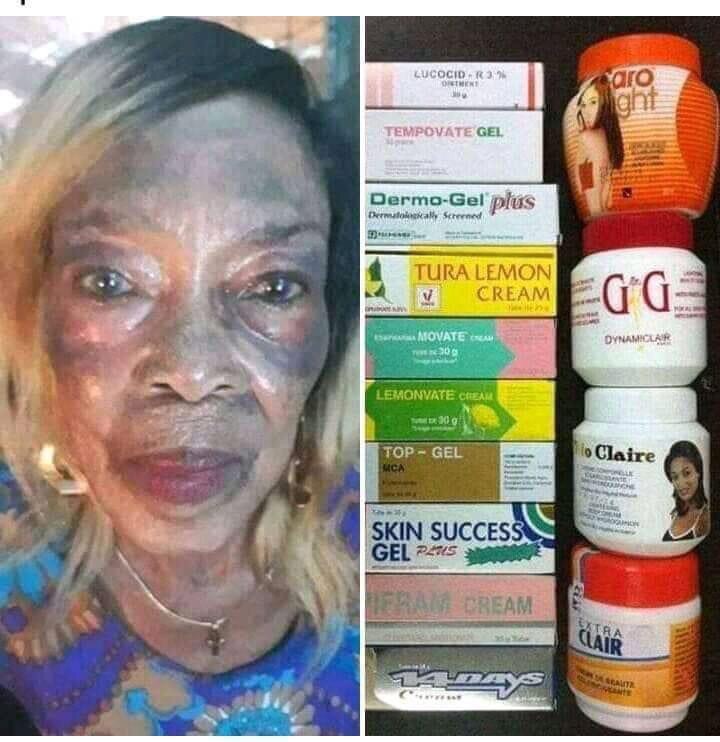
Across many African countries, the fight against harmful skin-lightening products has intensified over the last decade. Nations such as Ghana, Rwanda, Tanzania, Côte d’Ivoire, South Sudan, Kenya, and Nigeria have all enacted restrictions or outright bans on cosmetics containing dangerous chemicals like hydroquinone, mercury, and corticosteroids.
Yet a troubling reality persists: despite these laws, skin-lightening products remain widely available, easily accessible, and aggressively marketed.
This gap between legislation and enforcement raises urgent questions about public health, regulatory capacity, and the social pressures that continue to fuel the demand for lighter skin tones.
Ghana 🇬🇭: Strong Regulations, Weak Enforcement
Ghana has one of the strongest regulatory frameworks on cosmetic standards in West Africa. The Food and Drugs Authority (FDA) has banned several harmful lightening agents and frequently issues public warnings.
Still, enforcement remains inconsistent. Markets in Accra and Kumasi continue to stock banned creams and lotions, often smuggled or re-labeled to evade detection. Social media advertising further complicates the FDA’s oversight efforts.
Rwanda 🇷🇼: A National Crackdown with Visible Impacts
In 2018, Rwanda launched a high-profile crackdown on illegal skin-lightening products, involving police, local authorities, and the Ministry of Health. The campaign was widely praised for its visibility and political support.
However, even with strong top-down action, underground sales persist—particularly through cross-border smuggling and informal vendors. The demand continues to challenge the government’s otherwise robust enforcement efforts.
Tanzania 🇹🇿: Early Bans but a Persistent Black Market
Tanzania was among the early adopters of restrictions on skin-bleaching agents. While authorities regularly raid shops and seize banned products, the black market remains resilient.
Some products are manufactured locally in unregulated facilities, while others enter through porous borders. Many users are unaware of the health risks or simply prioritize aesthetic demands over safety.
Côte d’Ivoire 🇨🇮: A Longstanding Ban Undermined by Demand
Côte d’Ivoire banned skin-lightening creams containing toxic agents as far back as 2015. Yet, years later, these products continue to be sold in Abidjan’s open markets.
Cultural preferences for lighter skin and aggressive informal trade networks have made enforcement difficult. Health professionals continue to report rising cases of skin damage linked to illegally sold creams.
South Sudan 🇸🇸: New Nation, Old Challenges
South Sudan also prohibits harmful lightening products, but enforcement is hampered by limited regulatory infrastructure and ongoing economic instability.
A thriving informal economy, combined with low public awareness, has created fertile ground for unsafe cosmetics to circulate widely.
Kenya 🇰🇪: Regulatory Clarity Meets Informal Markets
Kenya’s Pharmacy and Poisons Board regulates cosmetic ingredients strictly, and several skin-lightening agents are illegal. Despite this, Nairobi’s beauty markets and online vendors openly offer banned items.
The rise of social media influencers and unregistered online shops has made enforcement significantly more complicated.
Nigeria 🇳🇬: The Paradox of a Ban Amid the Continent’s Highest Usage Rates
Nigeria officially bans many harmful skin-lightening substances, yet the country remains Africa’s largest market for these products. Research and public health reports frequently cite Nigeria as holding the region’s highest rate of skin-lightening use—an estimated 75% of Nigerian women, according to widely referenced health statistics.
This staggering figure highlights how legal frameworks alone cannot curb demand without comprehensive public education, cultural change, and a functioning enforcement system.
Why Are Banned Products Still Everywhere?
Despite national bans, several cross-cutting issues continue to undermine enforcement across the continent:
- Weak border control, enabling illegal imports
- Unregulated informal markets, where most cosmetic sales occur
- Low public awareness of health risks such as skin cancer, kidney damage, and severe dermatological conditions
- Deeply rooted colorism, which keeps demand high
- Limited regulatory resources to police sprawling online markets
The result is a continent-wide contradiction: despite strong laws, dangerous skin-lightening products remain widely available and heavily used.
A Path Forward
Addressing the skin-lightening crisis in Africa requires more than legislation. Experts suggest:
- Strengthening enforcement mechanisms and increasing penalties
- Public education campaigns on the dangers of harmful products
- Addressing colorism and beauty standards through cultural and media reform
- Supporting local cosmetic industries that promote safe, inclusive beauty products
Until these deeper systemic issues are addressed, the continent’s bans will remain symbolic rather than transformative.
Leave a Reply