Liberia launches an ambitious “Diaspora Annual Return” program while Bucky Raw’s rise and a businesswoman’s harassment expose the painful gaps between homecoming dreams and reality.
Liberia is sending mixed signals to its global citizens. On one hand, the government is rolling out an elaborate “2025 Diaspora Annual Return” program under the theme “Our Liberia, One People,” complete with investment summits and presidential welcomes designed to lure citizens home. On the other, Liberians like rapper Bucky Raw and an unnamed businesswoman in Grand Kru County are experiencing the harsh realities of return—navigating systemic barriers, institutional harassment, and the complex journey of reintegration.
These parallel narratives reveal a painful contradiction in post-war Liberia: a nation that urgently needs the skills, capital, and unity of its diaspora, yet struggles to provide the safe, functional, and equitable environment necessary for successful return.

The Harassment on the Ground: A Businesswoman’s Ordeal
Recent reports from Grand Kru County highlight a distressing pattern of institutional abuse that returnees and locals alike can face. A Liberian businesswoman has come forward with serious allegations of harassment and intimidation by officers of the Liberia Drug Enforcement Agency (LDEA). According to her account, the officers demanded a large sum of money from her despite her presenting all legal documents for her business.
This incident is not isolated. It echoes broader concerns about abuse of power and a culture of impunity within Liberian institutions. For example, the Liberia Revenue Authority (LRA) is currently facing its own turmoil, with employees accusing Commissioner General James Dorbor Jallah of creating a “toxic and fearful” work environment through unfair dismissals and politically motivated purges. Similarly, journalist Sekou Sheriff recently alleged that LRA officials threatened his life after he investigated potential fraud.
Bucky Raw: From Deportation to Homegrown Stardom
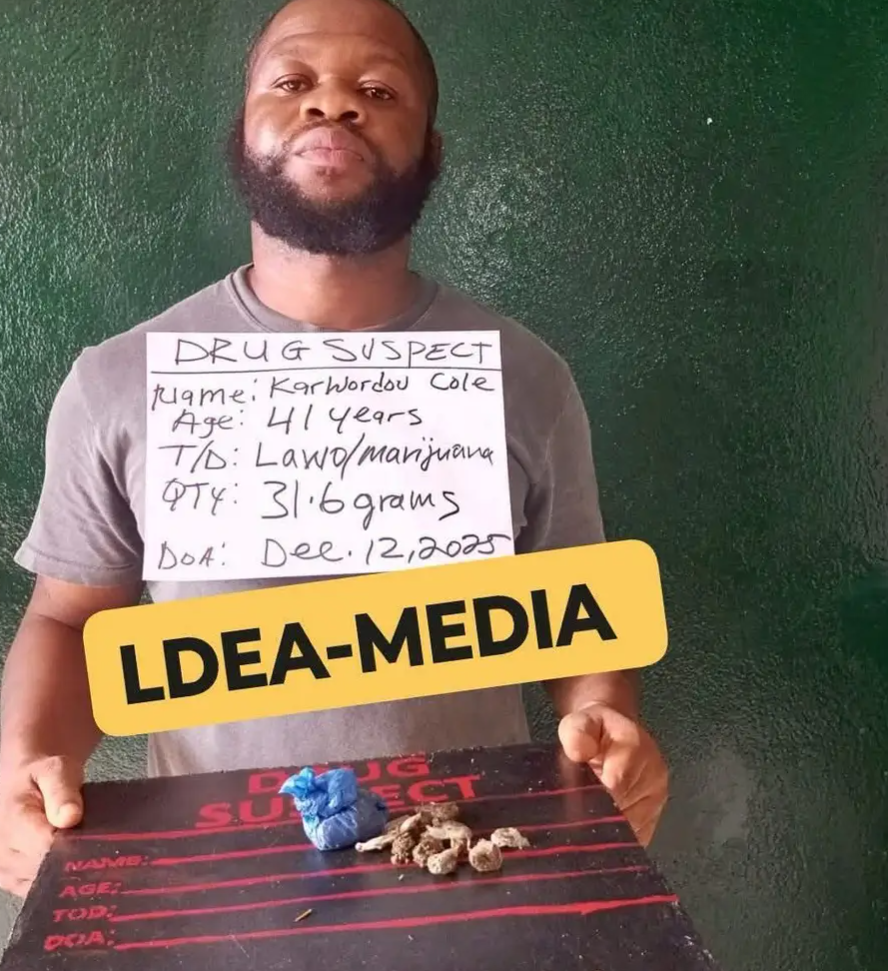
The story of rapper Karwoudou “Bucky Raw” Cole embodies another facet of the return experience: forced repatriation and complex reintegration. Deported from the United States in April 2018 for violating parole terms, Bucky Raw returned to a Liberia he had left at age nine.
· A Life Uprooted: His deportation meant leaving behind his children and the life he built in Philadelphia, a painful severing of family and community ties.
· Artistic Rebirth: Paradoxically, this forced return catalyzed his career. He has since become one of Liberia’s biggest music stars, a pioneer of “Trapco”—a Liberian fusion of hip-hop and trap music.
· Voice for the People: His music, often in Liberia’s colloquial Kolokwa, gives voice to the experiences of the young and the marginalized, addressing themes of poverty, corruption, and daily struggle. His track “Pro Poor Agenda” exemplifies this politically conscious strand of Liberia’s vibrant Hipco music scene.
Bucky Raw’s trajectory is a potent symbol of the “gift and curse” of return—a narrative of professional triumph in the homeland intertwined with personal loss and dislocation.
The Government’ Grand Vision for Return
In stark contrast to these gritty individual stories stands the government’s polished, official campaign. The 2025 Diaspora Annual Return program is a three-week series of meticulously planned events intended to foster national unity and attract investment.
Key Pillars of the 2025 Diaspora Program:
· Presidential Welcome Ceremony (Dec 12): Formal state welcome by President Boakai
· Investment Summit (Dec 17): Showcasing sector-specific opportunities for diaspora capital
· Peace & Reconciliation Dialogue (Dec 18): Addressing social cohesion
· Health Investment Forum (Dec 22): Engaging diaspora medical professionals
· Diaspora Unity March (Dec 30): A public celebration of national solidarity
Officials describe diasporans as “key partners in the rebuilding process,” highlighting their estimated $350-400 million in annual remittances. The program’s theme, “Our Liberia, One People,” is a direct call for unity and shared responsibility in nation-building.
The Chasm Between Policy and Reality
The challenge for Liberia lies in bridging the vast gap between its aspirational policy and the daily experiences of those who answer the call to return. Research on reintegration points to systemic failures:
· Economic Reintegration is a Major Hurdle: A study on UN vocational training programs for returnees found that 59% of trainees had no income-generating work months after completing their courses. The primary reason was a crippling lack of start-up capital, not a lack of skill.
· Infrastructure Remains Weak: Liberia’s limited infrastructure and weak economic foundation struggle to absorb returnees, with poverty affecting about two-thirds of the population.
· Harassment Undermines Trust: Incidents like the alleged LDEA shakedown erode the very trust and sense of security required for returnees to invest and build a life. When institutions meant to protect become sources of predation, the government’s welcoming message rings hollow.
The Way Forward: From Celebration to Concrete Support
For Liberia to truly benefit from its global diaspora, the focus must shift from short-term celebration to long-term, substantive support.
**1. ** Protect Citizens from Predation: The government must demonstrate zero tolerance for harassment and extortion by state officers. Transparent investigations and accountability in cases like the LDEA incident are non-negotiable for building a safe environment.
2. Pair Training with Capital: Entrepreneurship and skills training programs must be directly linked to accessible microloans or startup grants. As the UNIDO study concluded, skills without capital are often useless.
3. Engage Returnees as Full Partners: Beyond investment summits, diasporans with expertise in governance, law, and institution-building should be integrated into concrete reform efforts aimed at fixing the very systems—like the LRA or LDEA—that currently hinder progress.
Liberia stands at a crossroads. It can continue to host homecoming parties while ignoring the daily struggles of those who come home, or it can undertake the harder work of building a nation where return is not an act of bravery but a viable, dignified choice. The stories of a harassed businesswoman and a deported rapper-turned-star are not mere anecdotes; they are urgent reports from the front lines of Liberia’s future. The nation’s ability to listen and respond will determine whether the promise of “Our Liberia, One People” becomes a reality or remains just a theme for an event.
Leave a Reply