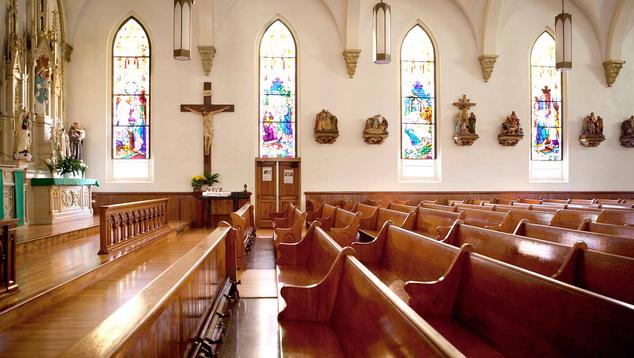
Liberian cities are seeing a quiet but growing conflict over churches being built and operated inside residential communities, from Congotown and Paynesville to small family compounds with more than one house.[1][2] Many residents welcome the spiritual and social value of these churches, but they are increasingly frustrated by noise, congestion, and weak enforcement of zoning and environmental rules.
A New Urban Reality in Liberia
Monrovia’s expansion has turned once‑quiet communities into dense urban neighborhoods where houses, shops, bars, and churches sit door‑to‑door.[1][3] In this crowded setting, the question is no longer whether churches should exist, but where and how they operate so that worship does not overwhelm daily life.
Liberia now has zoning and development regulations meant to guide where different types of buildings, including religious centers, should be located.[3][5] Former president Ellen Johnson Sirleaf and other public voices have recently called for religious institutions to strictly follow zoning, building codes, and approved urban plans to reduce conflict with surrounding residents.
Congotown: Noise, Generators, and Sleepless Nights
Congotown has become a symbol of the broader noise and land‑use crisis facing Monrovia.[1] Residents there have complained not only about bars and generators, but also about churches whose all‑night services and loudspeakers shake entire blocks and make sleep almost impossible.
In one high‑profile case, the Environmental Protection Agency fined a major telecom company after Congotown residents complained for years about a noisy generator that exceeded World Health Organization noise limits, showing that authorities can act when pushed.[1] Community groups and activists now want that same energy applied to churches and mosques whose loud services in residential zones routinely break acceptable noise levels.
Paynesville: Faith, Community Service, and Tension
Paynesville, one of Monrovia’s fastest‑growing suburbs, is packed with churches, schools, and homes sitting side by side.[9][10] Some churches there have become major providers of social services, such as renovating public schools, upgrading security walls, and improving learning environments for children in densely populated communities.
At the same time, residents in and around Paynesville echo the same concerns heard in central Monrovia and Congotown: loud overnight crusades, traffic jams on narrow community roads, and limited parking that spills into people’s yards.[1][2] For families living within a few meters of these churches, the Sunday or mid‑week blessing can feel like a weekly invasion of noise and congestion.
Compounds With Multiple Houses: Churches in the Yard
Beyond the main city streets, another trend is emerging: churches operating inside private compounds that contain more than one house. In many cases, a landlord or pastor converts a garage, unfinished structure, or back building into a worship hall, bringing dozens of worshippers into what was originally planned as a family compound.
Because these spaces often begin informally, they can bypass proper land‑use review, building inspections, and environmental noise assessments. The result is that tenants who thought they were renting a quiet home suddenly find themselves living beside powerful speakers, all‑night tarry services, and daily choir practices within the same fence.
When several houses share one yard, power dynamics can make it hard for ordinary tenants to complain. The pastor or landlord may insist that “this is God’s work,” while residents who question the noise risk being labeled as enemies of the church. With weak enforcement and limited knowledge of their rights, many families simply endure the disruption or quietly move out if they can afford it.
Law, Rights, and the Search for Balance
Liberia’s zoning implementation regulations and wider land‑use policies recognize the need to separate incompatible activities and protect public health and welfare. Environmental authorities have also promised tougher crackdowns on noise pollution from religious centers, nightclubs, and other loud venues, responding to public pressure that “noise from churches and mosques in residential communities has gone too far.”
At the same time, any discussion of churches in residential areas must carefully respect religious freedom. Courts in other countries have repeatedly held that churches can legally locate in residential zones, but they may be subject to reasonable regulations on noise, parking, and building safety to protect neighbors’ rights.[11] The challenge for Liberia is to develop and enforce similar “reasonable regulations” without appearing to attack faith itself.
A more balanced approach would involve:
- Clear zoning maps that show where large churches or event‑style religious centers can operate, and where only small, low‑impact house fellowships are appropriate.
- Strict noise standards, with limits on loudspeakers, generators, and overnight services in residential communities, enforced fairly across churches, mosques, bars, and clubs alike.
- Community consultation before a church is established in a yard or neighborhood, so residents understand the plans and can raise concerns early.
- Support for churches that invest in soundproofing, proper parking, and genuine community services such as schools and clinics, as seen in some Paynesville examples.
Liberians are not asking to remove God from their communities; they are asking for a livable balance between worship and rest. As Congotown, Paynesville, and countless smaller compounds continue to grow, the debate over churches in residential spaces is becoming a test of whether urban development in Liberia will prioritize both spiritual life and the fundamental right to peace and quiet in one’s own home.
Leave a Reply