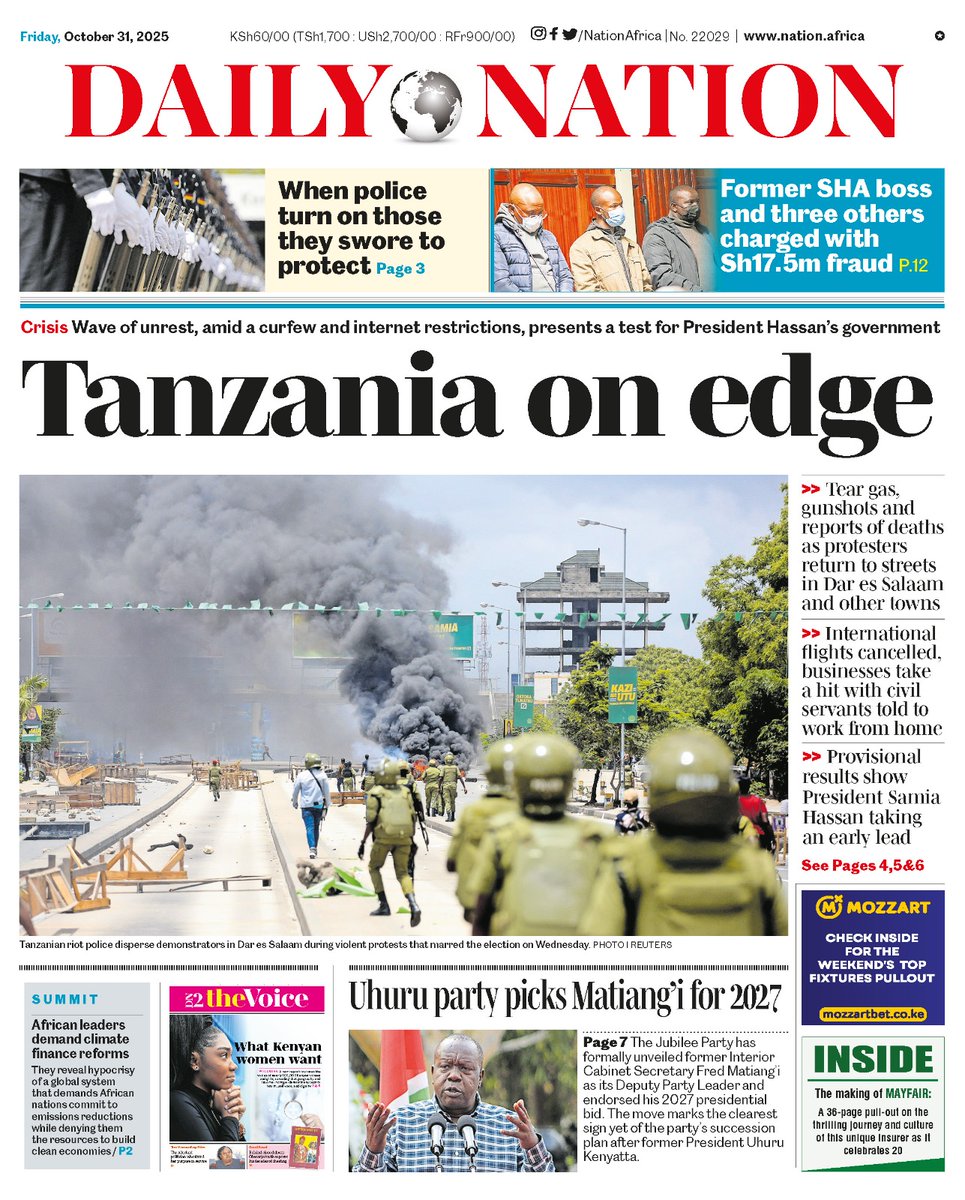
Tanzania’s 64th Independence Day on December 9, 2025, was marked not by celebration but by an eerie silence, as the government cancelled all official events and warned citizens against assembling. This tense quiet follows the deadliest political crisis in decades, sparked by a disputed election in October that returned President Samia Suluhu Hassan to power and triggered a brutal security crackdown. The day of national pride has become a symbol of deep division, raising urgent questions about the country’s democratic future and stability.
The Roots of Discontent: From Hope to Repression
President Samia Suluhu Hassan initially inspired optimism when she took office in 2021, promising a break from the authoritarian tendencies of her predecessor, John Magufuli. Her “4R” doctrine—Reconciliation, Resilience, Rebuilding, and Reform—suggested a more open and conciliatory path.
However, as she solidified power within the ruling Chama Cha Mapinduzi (CCM) party and set her sights on a second term, this approach shifted dramatically. Analysts note she began employing what some call a “Magufuli script,” centralizing power and sidelining potential rivals. By January 2025, she had bypassed the party’s traditional primary process to announce herself as the CCM presidential candidate, effectively silencing internal competition.
The space for opposition shrunk severely in the months before the October vote. The main opposition party, CHADEMA, was a particular target, with dozens of its officials disappearing or being arrested. Its leader, Tundu Lissu, was detained on treason charges and remains behind bars. Another prominent opposition figure, Luhaga Mpina, was disqualified from running on procedural grounds. An Amnesty International report ahead of the election described a worsening human rights crisis and a “wave of terror”.
A Disputed Election and a Brutal Aftermath
The election on October 29, 2025, was widely criticized. With credible opposition barred, activists called for a boycott under the banner “No Reforms, No Elections”. Voter turnout was dismal, with many Tanzanians staying home or taking to the streets in protest. Despite visible boycotts, the electoral commission declared an 87% turnout and awarded President Hassan 97.6% to 98% of the vote.
The protests that began on election day were met with extreme force. Security forces opened fire on crowds in major cities including Dar es Salaam, Arusha, and Mwanza. Following a nationwide internet shutdown, a four-day period of horrific violence ensued from October 30. Credible reports describe police conducting door-to-door raids in neighborhoods that had seen protests, summarily executing hundreds of people, mostly young men. Human rights groups estimate the death toll from the post-election crackdown to be about 3,000, describing it as a “state-engineered massacre”. The UN High Commissioner for Human Rights also reported “hundreds” killed.
International Condemnation and Economic Risk
The government’s actions have drawn rare and strong rebukes from international partners, threatening Tanzania’s economic prospects.
· African Union Critique: In a significant move, an AU observer mission led by former Botswana President Mokgweetsi Masisi concluded the “uncompetitive” elections did not meet continental standards. Observers reported ballot stuffing and noted the low turnout indicated public disengagement.
· Western Pressure: The United States announced it was “reconsidering its relationship” with Tanzania, citing the violence and repression. This puts approximately $43.2 billion in U.S.-backed projects at risk, including a major liquefied natural gas initiative.
· Donor Reliance: The European Parliament has moved to withdraw funding from its 2025 action plan for Tanzania. This is critical as Tanzania relies heavily on concessional loans tied to governance and human rights conditions. Economist Bravious Kahyoza warns that constrained financing could derail the economic progress made during President Hassan’s first term.
Will Voices Be Heard? Tanzania’s Crossroads
The government has cancelled Independence Day celebrations and warned against protests, framing any demonstration as an “attempted coup”. This stance suggests a continued unwillingness to tolerate dissent in the short term.
Looking ahead, the potential outcomes for Tanzania hinge on several factors:
· Path of Escalation: If the state continues to meet peaceful protest with violence, it risks entrenching instability. Security analysts warn that prolonged political turmoil could make Tanzania vulnerable to infiltration by armed extremist groups from neighboring unstable regions.
· Path of Reform: The sustainable solution, as urged by civil society and international observers, lies in genuine constitutional and political reform. Tanzania’s constitution has been amended repeatedly to concentrate power in the executive and the ruling party, blurring the lines between state and party. Meaningful reform would require leveling the electoral playing field, ensuring an independent election commission, and strengthening institutions that hold power accountable.
· Role of Regional Actors: Regional governments and bodies like the African Union and the Southern African Development Community (SADC) have leverage. Their continued pressure for dialogue and adherence to democratic norms could be more influential than Western condemnation alone.
Tanzania stands at a pivotal moment. The profound sense of national unity and stability painstakingly built since independence lies fractured. As one analyst starkly put it, “The myth of Tanzanian exceptionalism lies in ruins”. Whether the nation begins a painful reconciliation through reform or descends into further repression and isolation will depend on choices made by its leadership and the persistent demand for change from its people. The silent streets on Independence Day speak volumes about a crisis that can no longer be ignored.
Leave a Reply