
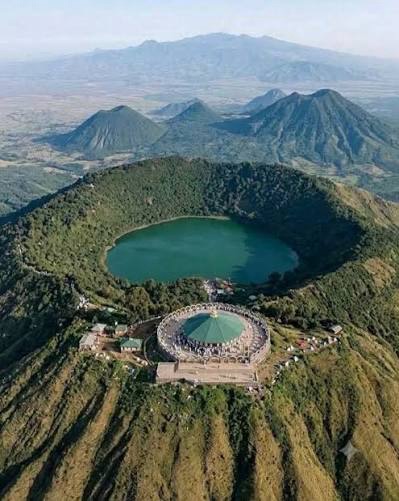
Ethiopia is embarking on an ambitious multi-billion birr investment to transform Lake Hawassa into one of the country’s flagship eco-tourism destinations, marking another significant step in its strategy to strengthen sustainable tourism and unlock the economic potential of its natural landscapes.
The large-scale development project is designed to enhance the lake’s appeal for both domestic and international visitors while preserving its rich ecological environment. Plans include the construction of modern waterfront infrastructure, public recreational spaces, pedestrian-friendly areas, landscaped parks, and improved tourism facilities aimed at creating a world-class visitor experience.
Government officials say the initiative forms part of Ethiopia’s broader vision to diversify its economy through sustainable tourism by developing the country’s lakes, national parks, heritage sites, and other natural attractions into well-managed tourism destinations.
Lake Hawassa, located in the Sidama Region approximately 275 kilometers south of Addis Ababa, is already one of Ethiopia’s most popular freshwater lakes. Known for its scenic beauty, abundant birdlife, and diverse wildlife, the lake attracts nature enthusiasts, photographers, researchers, and travelers seeking authentic cultural and outdoor experiences.
The new investment places a strong emphasis on environmental conservation alongside economic development. Authorities have indicated that environmental protection measures will be integrated throughout the project to safeguard the lake’s ecosystem, preserve biodiversity, improve waste management, and promote responsible tourism practices.
Officials believe balancing infrastructure development with ecological sustainability will ensure that Lake Hawassa remains a thriving natural habitat while supporting long-term tourism growth.
The development is also expected to create employment opportunities for local communities through construction activities, hospitality services, tour operations, transport, handicrafts, and other tourism-related businesses. Local entrepreneurs are anticipated to benefit from increased visitor numbers as hotels, restaurants, markets, and cultural centers expand to meet growing demand.
Beyond its natural attractions, Lake Hawassa offers visitors a variety of experiences, including boat cruises, sport fishing, birdwatching, wildlife viewing, lakeside dining, and cultural interactions with surrounding communities. The area is home to numerous bird species, including pelicans, fish eagles, kingfishers, and marabou storks, making it one of East Africa’s notable birdwatching destinations.
The investment reflects Ethiopia’s continued efforts to position tourism as a key pillar of national economic development. In recent years, the government has invested in several landmark tourism projects focused on heritage conservation, urban beautification, and nature-based tourism aimed at attracting more international visitors and boosting domestic travel.
Industry experts say sustainable eco-tourism initiatives such as the Lake Hawassa project can generate long-term economic benefits while encouraging environmental stewardship and supporting community livelihoods. By combining modern tourism infrastructure with conservation planning, Ethiopia hopes to create a destination that showcases the country’s natural beauty without compromising ecological integrity.
As construction and planning progress, Lake Hawassa is expected to emerge as one of Africa’s leading eco-tourism destinations, offering visitors a unique blend of nature, culture, recreation, and sustainability while contributing to Ethiopia’s growing tourism economy.