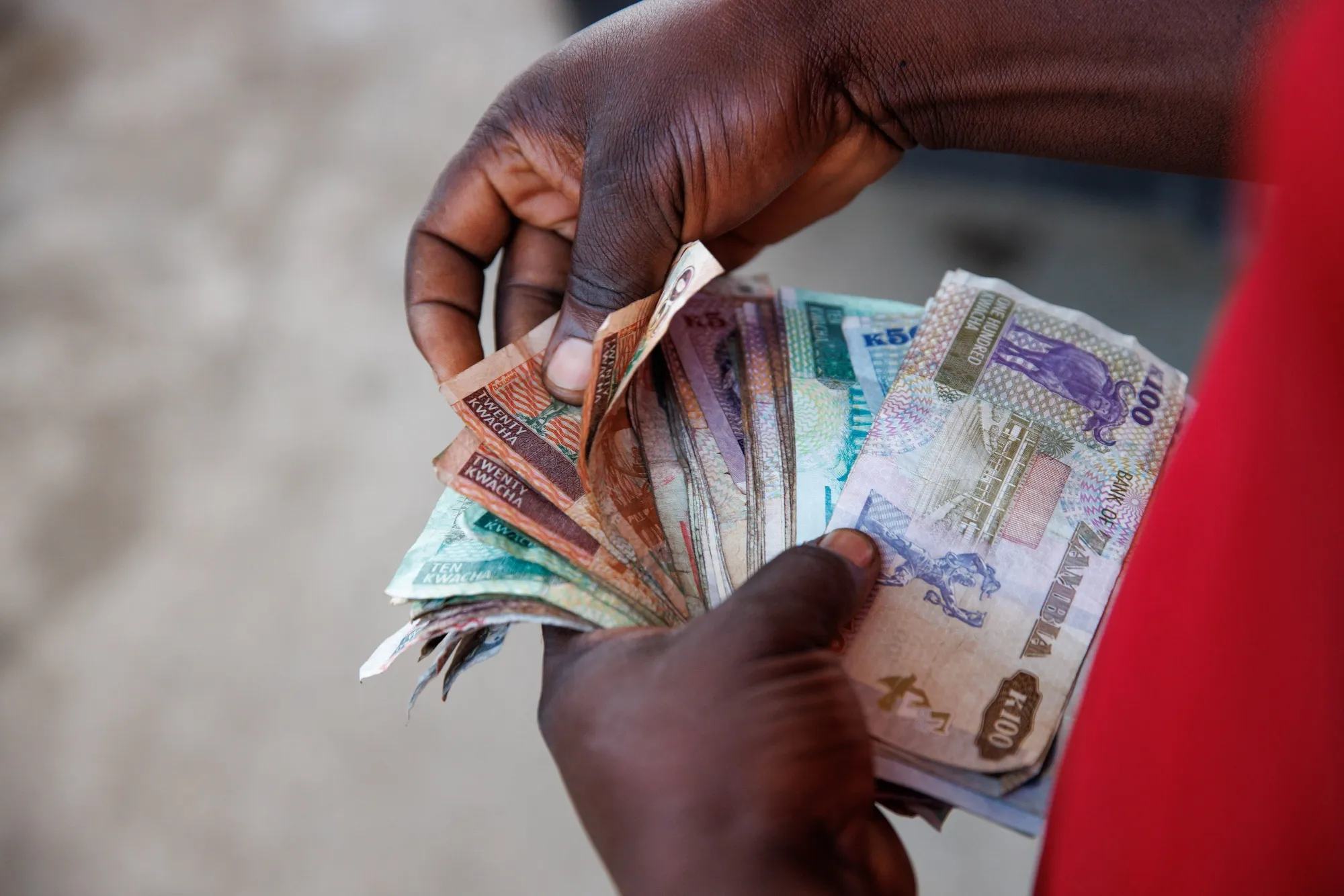
The Zambia kwacha has surged to become the world’s best‑performing currency against the US dollar in early 2026, outpacing all other currencies tracked by Bloomberg.
Kwacha’s stunning rally
Over the past month, the kwacha has gained around 10–12 percent against the dollar, reaching its strongest level in more than two years.
– On some trading days in January, it jumped nearly 4 percent, the biggest one‑day move since late 2023.
– As of mid‑January 2026, the kwacha is trading near 20 kwacha to 1 dollar, compared with peaks above 29 per dollar in March 2025. [2][3][4]
This performance has made Zambia a rare bright spot in global FX markets, and the standout story on the African continent.
Why the kwacha is soaring
Several converging forces are driving the currency’s remarkable strength.
– Policy‑driven de‑dollarisation
– In December 2025, the Bank of Zambia ordered that domestic transactions be settled in kwacha, sharply limiting the use of foreign currency inside the economy.
– Businesses now have to convert more of their dollars into local currency for taxes and local payments, creating strong structural demand for kwacha.
– Copper prices and export windfall
– Zambia, Africa’s second‑largest copper producer, is benefiting from a powerful upswing in global copper prices driven by energy transition demand.
– Higher export earnings mean more foreign exchange flowing into the country, reinforcing confidence in the local currency.
– Market sentiment and reforms
– After years of debt distress and currency weakness, investors are responding positively to fiscal reforms, debt restructuring progress and clearer policy direction.
– The kwacha already delivered one of Africa’s best FX performances last year, and the fresh 2026 rally has cemented that momentum.
Signals for African policymakers
The kwacha’s world‑beating run is not just a Zambian story; it offers lessons for the wider continent.
– Smart capital controls vs. confidence
– By prioritising its own currency in domestic trade, Zambia is testing a model of de‑dollarisation that many African economies have debated but rarely enforced.
– The current rally suggests markets can reward assertive local‑currency policies when they are paired with credible reforms and export strength, rather than automatically punishing them.
– Commodities plus institutions
– Copper alone does not explain the rally; commodity booms have previously coincided with weak currencies in countries with fragile policy frameworks.
– What appears different now is the combination of high copper prices, tighter FX rules, and clearer macro‑policy signalling from Lusaka.
Risks behind the rally
Despite the celebrations, analysts warn that the kwacha’s current strength is not risk‑free.
– Heavy reliance on copper
– If global copper prices fall or demand cools, Zambia’s FX inflows will weaken, potentially reversing some of the gains.
– A currency tied too closely to a single commodity remains vulnerable to external shocks.
– Policy durability
– The de‑dollarisation push will only hold if businesses and consumers maintain confidence in the stability of the rules and in the state’s ability to supply FX when needed.
– Any perception of arbitrary controls or shortage of dollars could quickly shift sentiment.
For a Pan‑African audience watching from Lagos, Nairobi, Accra or Johannesburg, Zambia’s kwacha moment is a live experiment in how bold currency policy, commodity leverage and improved governance can briefly turn an African unit into the world’s star performer.
Leave a Reply