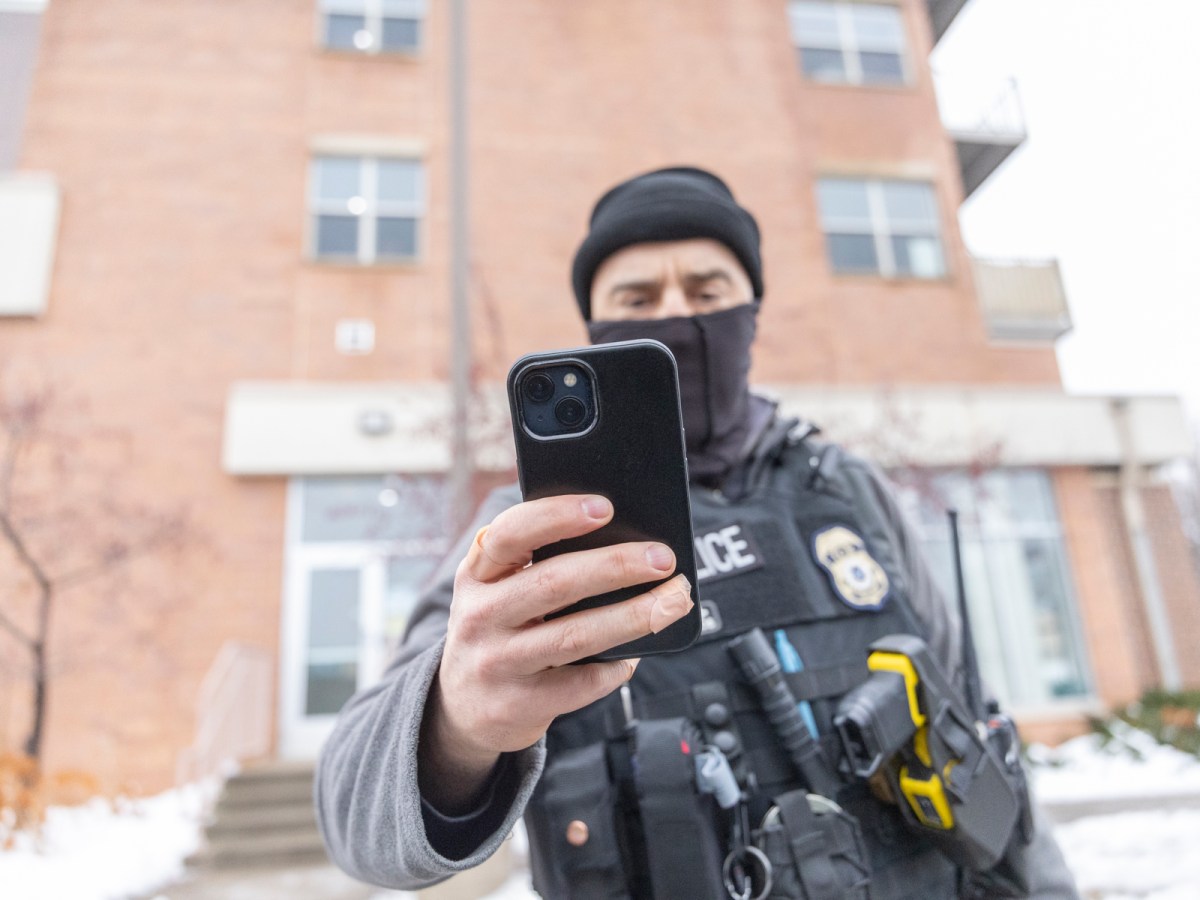
U.S. Immigration and Customs Enforcement (ICE) has quietly assembled a sophisticated surveillance arsenal that reaches deep into the everyday digital lives of migrants, from their mobile phones to their inboxes and social feeds.[1][2][3] For African migrants in the U.S. and those with family in the diaspora, this expanding dragnet shows how technology built in the Global North is being weaponized against communities of colour with little transparency or oversight.[4][5][6]
How stingrays turn every phone into a tracking device
Stingrays, also known as cell-site simulators or IMSI catchers, are devices that impersonate mobile phone towers and trick nearby phones into connecting.[7][8] Once a handset connects, agents can identify the phone’s unique identifiers, locate it with precision, and in some configurations capture communications data such as calls, texts, and internet traffic.[9][1][3]
ICE has used these devices for years, upgrading from older Stingray II models to more advanced “Crossbow” systems and even mounting them on vehicles and aircraft.[5][10][11] Because stingrays scoop up data from every phone in range, not only the target, they expose bystanders—neighbours, co‑workers, congregants at a church or mosque—to dragnet surveillance that can map entire immigrant communities.[7][5][8]
Email, phones and the invisible wiretap
Behind the headlines about physical raids, ICE contracts with surveillance vendors who specialise in mining telecommunications data at scale.[2] One widely used software suite allows agents to ingest and analyse call records, cell-site location logs, email account metadata, social media activity, SMS and encrypted-messaging traffic from platforms like WhatsApp in one interface.[2]
These tools let investigators reconstruct a person’s life: who they talk to, when they move, which devices they use and how their networks are organised.[2][6] While agencies publicly insist they respect constitutional limits, privacy advocates warn that the combination of big-data analytics and weak oversight makes it easier to stretch “criminal” investigations to justify broad monitoring of civil immigration cases.[4][5][6]
Social media as a permanent file on migrants
ICE increasingly treats social media as an always-on intelligence feed, tapping commercial tools that scrape and analyse posts, photos, check-ins and friend networks.[2][6][12] AI-driven systems can flag “risky” profiles, cluster people by language, religion or location, and help agents predict who might be connected to a target, even if that person has never been arrested or formally investigated.[6][12][13]
For diaspora Africans, this means a Facebook post about protest in Lagos, a tweet criticising U.S. foreign policy, or a WhatsApp group for a West African association in Minnesota can become part of an immigration file without their knowledge.[4][6][13] The same ad‑tech that marketers use to micro‑target consumers is being repurposed so enforcement agencies can buy access to commercial location and interest profiles that sidestep traditional warrant requirements.[2][12]
What this means for African communities and Pan-African politics
The digital trail linking communities in Accra, Lagos, Nairobi or Monrovia with relatives in New York, Atlanta or Johannesburg is now a potential vulnerability, not just a lifeline.[2][6] As ICE leans on AI, cell-site simulators and big-data tools, African migrants and their families find themselves under forms of remote control that echo the colonial surveillance state—only now powered by cloud computing and commercial spyware.[4][3][13]
For Pan-African movements, this raises strategic questions: how to organise across borders when platforms double as intelligence sources; how African states respond when their citizens abroad are profiled using data partly generated on African soil; and whether continental policy debates on data protection and digital sovereignty will recognise migration surveillance as a core issue, not a side note.[2][6][12]
Towards digital self‑defence and political accountability
Communities are not powerless in the face of this machinery, but digital self‑defence must move from a niche activist concern to mainstream diaspora practice.[14][4] Encrypted messengers, cautious sharing on social media, and community legal education around warrants, data rights and cross‑border information flows are becoming as important as knowing an immigration lawyer’s phone number.[14][4][2]
At the same time, Pan-African media, civil society and lawmakers can demand transparency around the tech exported into enforcement agencies and push for stronger data-protection regimes that limit how African users’ information can be fed into foreign deportation pipelines.[2][6][12] In an era where a fake cell tower on a U.S. highway can disrupt the lives of a family in West Africa, the fight over surveillance is no longer domestic—it is unavoidably Pan-African.[1][5][3]
Leave a Reply