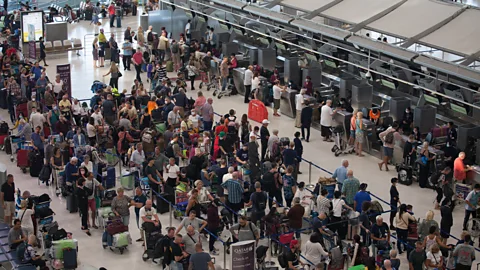
When tensions erupted into open conflict between Iran and its rivals this week, the shockwaves were immediate — but not only across battlefields.
Global aviation, one of the most interconnected networks in modern trade and mobility, has been thrown into turmoil. For Africa, the effects could be felt even more acutely, as many of the continent’s international air routes are directly linked to Middle Eastern airspace and Gulf-based transit hubs.
From Addis Ababa and Nairobi to Lagos and Johannesburg, long-haul journeys that once passed smoothly over Middle Eastern skies are now being rerouted or grounded.
Airlines are taking urgent measures to avoid Iranian, Iraqi, and Persian Gulf airspace as fighting intensifies, exposing civilian flights to potential risks.
Ripple Effects on African RoutesAfrica’s rapidly growing aviation sector has long depended on Gulf carriers such as Emirates, Qatar Airways, and Etihad — essential links between African cities and destinations in Europe, Asia, and North America.
With these airlines operating out of the Middle East, the widening war is deeply disruptive.
Already, flights have been delayed across major African hubs as airlines replan routes that avoid conflict zones, sometimes adding several hours to journey times. This rerouting not only increases fuel costs but also strains tightly scheduled global logistics systems.
Smaller African carriers that connect passengers through Gulf hubs face compounding difficulties, including overbooked flights, increased fares, and reduced cargo capacity.Economic and Human ImpactsAs with previous aviation crises — like the 2022 Russia–Ukraine airspace closures — the economic repercussions are significant.
Ticket prices are climbing, particularly on routes linking Africa to East Asia and North America. The logistics disruption could also spill into trade, especially for exporters of perishable goods like flowers from Kenya or fresh fruit from West Africa who rely on timely freight connections.
For African travelers, the uncertainty is deeply personal. Many students, business professionals, and members of the diaspora rely on consistent, affordable flight routes through the Gulf.
With airlines suspending or modifying schedules, trips may become longer and more expensive, while alternative connections through Europe are already under strain.Strategic Lessons for AfricaThe crisis underscores Africa’s growing vulnerability to external geopolitical shocks.
Industry experts say it may further justify accelerating investment in direct intercontinental links run by African airlines — a long-recognized but underdeveloped strategy. Initiatives such as the Single African Air Transport Market (SAATM) could gain new urgency as governments seek to insulate their aviation networks from global instability.For now, though, the skies remain uncertain.
The Iran conflict’s next developments will determine not only the trajectory of global diplomacy but also the immediate realities of how Africans travel, trade, and connect with the world.
Leave a Reply