Africa’s Herbal Heritage Meets Modern U.S. Cannabis Shift
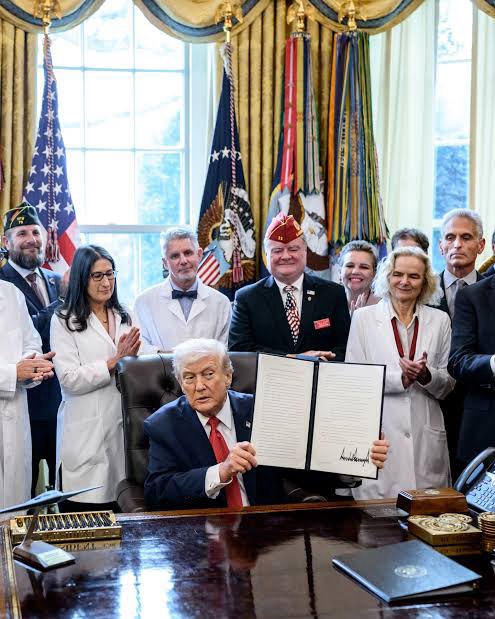
President Donald Trump has directed a pivotal change in U.S. drug policy by expediting the reclassification of medical marijuana from Schedule I to Schedule III. This move, rooted in his December 18, 2025, Executive Order on Increasing Medical Marijuana and Cannabidiol Research, eases federal restrictions on research and patient access.[2][3]
Acting Attorney General Todd Blanche announced on April 24, 2026, that FDA-approved marijuana products and state-licensed medical cannabis now fall under Schedule III, akin to drugs like ketamine or Tylenol with codeine. This shift acknowledges marijuana’s accepted medical uses, removing the Schedule I label of “no medical value and high abuse potential,” and paves the way for broader DEA hearings starting June 29, 2026.[1][5][12]
Implications for Research and Patients
The rescheduling eliminates onerous Schedule I licensing for researchers, streamlining studies on cannabis for pain, nausea, and chronic conditions. Over 6 million U.S. patients could benefit from expanded treatments, with physicians gaining reliable data on safety and efficacy.[13][1]
Federal tax burdens on legal cannabis businesses may lighten, attracting investment while maintaining oversight against recreational use.[15]
Pan-African Perspective: Opportunities and Lessons
For African nations like Ghana and Liberia, where the user operates, this U.S. policy evolution highlights cannabis’s medical potential amid growing regional interest. South Africa and Lesotho already export medical cannabis, generating revenue and jobs; Zimbabwe and Zambia explore similar paths despite Schedule I stigma.[1][2]
Pan-African leaders could leverage this precedent to challenge outdated classifications, boosting herbal medicine research tied to traditional African remedies like dagga or kif. Decolonizing drug policy might align with repatriation efforts, fostering diaspora investment in sustainable African cannabis industries.[5]
This reform signals global momentum—Africa stands to gain economically and medicinally if it harmonizes regulations.
Leave a Reply