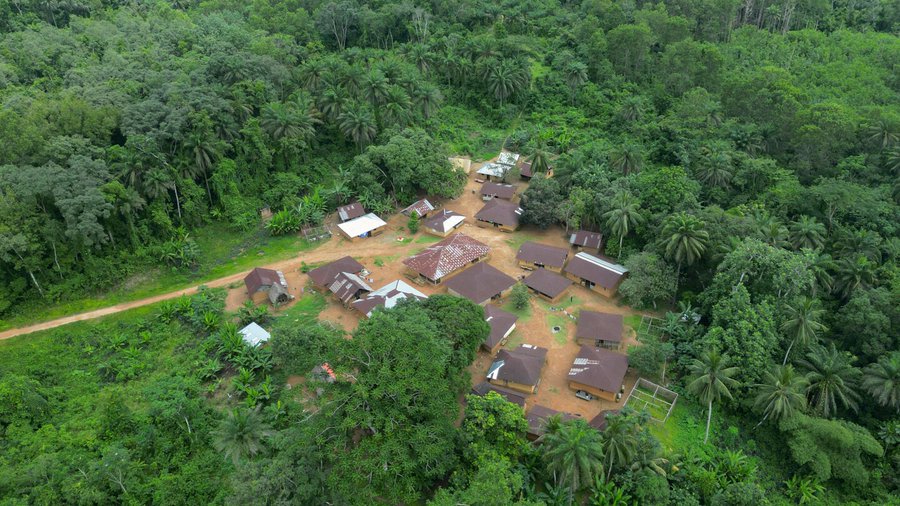
An investigation reveals years of toxic leaks from Liberia’s largest gold miner, forcing communities to flee and prompting calls for urgent reform.
Dateline: Monrovia, Liberia – February 1, 2026
—
Introduction
For generations, the rivers and creeks of Grand Cape Mount County have been the lifeblood of rural Liberian communities. Today, those same waterways are a source of fear and illness. A joint investigation by The Associated Press and The Gecko Project, published in late January 2026, has documented multiple chemical spills from the Bea Mountain Mining Corporation (BMMC), Liberia’s largest gold miner. The leaks—which include cyanide, arsenic, and copper—have poisoned the water, killed fish, and left villagers with no choice but to abandon their homes. This article details the spills, lists the affected villages, and outlines a path toward accountability and restoration.
Background: The New Liberty Gold Mine
Bea Mountain operates the New Liberty Gold Mine in Grand Cape Mount County, about 50 miles northwest of Monrovia. The mine, which began full production in 2016, is owned by Turkish billionaire Mehmet Nazif Günal through Avesoro Resources. Despite warnings from international consultants as early as 2012 about the risk of contamination, the company has repeatedly been cited for substandard waste‑containment facilities and for obstructing government inspectors.
The Chemical Spills: A Pattern of Negligence
Government reports obtained by investigators show that between 2016 and 2023, Bea Mountain spilled dangerous chemicals on at least five occasions. Key incidents include:
· May 2022: A leak from the mine’s tailings dam sent cyanide‑laced water into Marvoe Creek, killing fish and contaminating the Mafa River. The company failed to notify regulators or communities within the required 72‑hour window.
· February 2023: A “huge quantity of raw copper sulfate” leaked into the environment, with six of nine water samples exceeding legal limits for cyanide and copper.
· Earlier spills in 2015, 2016, and 2018 were also documented, each time resulting in dead fish and reports of skin rashes among villagers.
Liberia’s Environmental Protection Agency (EPA) has repeatedly cited Bea Mountain for violations, but enforcement has been weak. Only one fine—initially $99,999 in 2018—was ever issued, and it was later reduced to $25,000.
Affected Villages: The Human Toll
The toxic plumes have traveled downstream, poisoning water sources for a string of communities along the Marvoe Creek and Mafa River. The villages most directly impacted include:
Village Description of Impact Source
Jikandor (also spelled Jikando, Jekandor) The community closest to the mine. Residents have stopped using the river for fishing, drinking, or farming; many are now preparing to relocate. In May 2025, the EPA brokered a legally binding agreement for Bea Mountain to compensate and relocate the village. ,
Wangekor Located more than 10 miles (16 km) downstream from the mine. Villagers here hauled in dead fish before any warning arrived, later falling ill after eating them.
Kinjor The site of Bea Mountain’s main administrative office and waste plant. Residents report that their creeks and farmland have been contaminated, leaving them without clean water or food.
Gormah A village where the polluted Weaju/Varwor River empties into the Mafa River. The town chief, Mustapha Pabai, received the first alert about the pollution here.
Other downstream communities Reports refer to “10 communities in Grand Cape Mount County” whose water source, the Mafa River, has been contaminated. While not all are named, they include settlements along the river that rely on it for drinking, fishing, and washing.
Health and Livelihood Impacts
· Health: Villagers have reported vomiting, diarrhea, and skin rashes after eating contaminated fish or using the water. Children have been among those sickened.
· Livelihoods: Fishing and farming, the backbone of the local economy, have collapsed. “I can’t walk well … my little garden I live by is no more; the chemicals spoiled it,” said Zinnah Kamara, the oldest woman in Jekandor Town.
· Displacement: Many families are now leaving. “If we don’t move, we will die,” said Jikandor village chief Mustapha Pabai.
Solutions: A Roadmap for Repair
Addressing this crisis requires immediate action on multiple fronts:
1. Strengthen Regulatory Oversight
· The Liberian EPA must be given adequate resources and political backing to conduct unannounced inspections, impose meaningful fines, and enforce compliance. The current $25,000 fine is negligible compared to the mine’s hundreds of millions in exports.
2. Independent Monitoring and Transparency
· Bea Mountain should be required to install real‑time water‑quality monitors downstream of its tailings dam, with data publicly accessible. All spill reports and EPA findings must be made available online, ending the practice of concealing documents.
3. Full Compensation and Relocation
· The company must swiftly implement the May 2025 agreement to relocate and compensate Jikandor villagers. Similar plans should be extended to other affected communities, ensuring they are moved to safe, productive land with clean water.
4. Remediation and Environmental Restoration
· Bea Mountain must fund a comprehensive cleanup of the Marvoe Creek and Mafa River, supervised by independent experts. This includes removing contaminated sediment, treating groundwater, and restocking fish populations.
5. Community‑Led Health Monitoring
· The Liberian Ministry of Health, with support from international agencies, should launch a long‑term health‑surveillance program for residents exposed to cyanide, arsenic, and copper. Free medical care and regular testing must be provided.
6. Supply‑Chain Accountability
· Global refiners and electronics companies that source gold from Bea Mountain—such as Swiss refiner MKS PAMP and its clients Apple and Nvidia—should conduct independent audits and suspend purchases until the mine meets international safety standards.
Conclusion
The chemical spills from Bea Mountain’s New Liberty mine are not isolated accidents but the result of years of corporate negligence and weak governance. They have devastated villages, health, and livelihoods in Grand Cape Mount County. While the 2025 relocation agreement for Jikandor is a step forward, it alone cannot undo the damage. Only a concerted effort—combining rigorous regulation, transparent monitoring, full compensation, and environmental repair—can prevent future spills and begin to heal the poisoned rivers and the communities that depend on them.
Leave a Reply