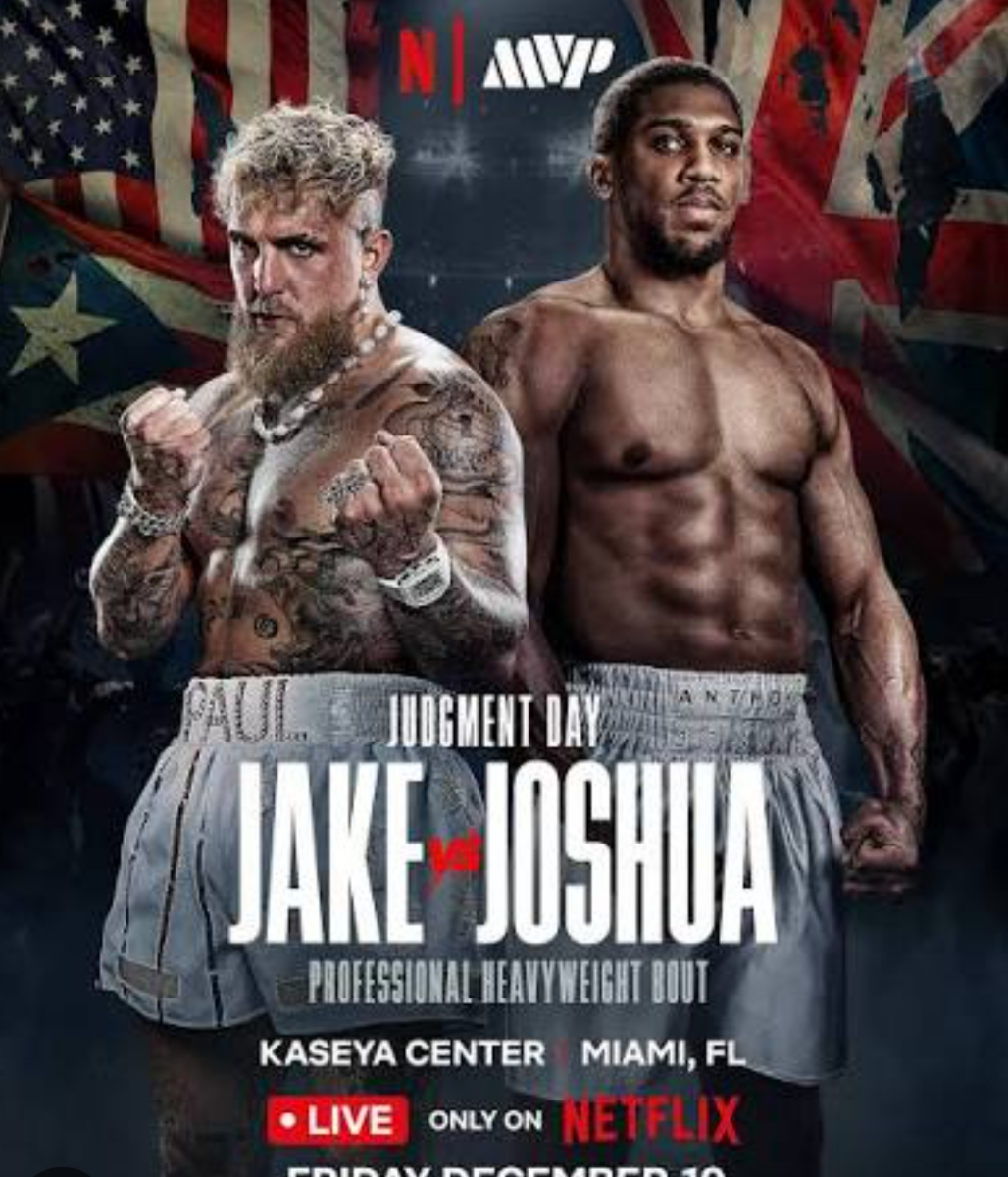
Anthony Joshua’s decisive sixth-round knockout of Jake Paul confirmed the vast gulf in class between an elite champion and a social media challenger, leaving many to question the spectacle’s value to the sport itself.
🥊 Fight Breakdown & Critical Moment
The fight followed a predictable pattern but took longer than many experts anticipated to reach its conclusion. The following sequence details how the action unfolded:
· Rounds 1-4: Cautious & Lackluster Start
Anthony Joshua, the former two-time heavyweight champion, methodically established control, using his significant 6-inch reach advantage. Jake Paul’s strategy was almost entirely defensive, focused on evasion and survival. The action was so poor that in the fourth round, referee Christopher Young admonished both fighters, stating, “The fans did not pay to see this crap”.
· Round 5: Joshua Takes Full Control
As Paul fatigued, Joshua’s power began to tell. He knocked Paul down twice in this round, signaling the beginning of the end.
· Round 6: The Finale
Joshua sealed the victory with a final combination. He backed Paul into a corner, landed a crunching left hand, and followed with a knockout right to the chin that sent Paul crashing to the canvas for the fourth and final time at 1:31 of the round.
💰 Beyond the Knockout: Context & Consequences
The event was more notable for its commercial and cultural impact than its sporting merit.
· A Massive Financial Payday: Reports indicate the fighters split a mammoth purse of $184 million, making it one of the richest fights in boxing history despite the one-sided nature of the contest.
· A Global Streaming Event: The bout was streamed live globally on Netflix at no extra cost to its subscribers, following the platform’s successful entry into live boxing with events like Paul’s previous fight against Mike Tyson.
· Future Directions:
· For Anthony Joshua: Post-fight, Joshua immediately called out his longtime British rival, Tyson Fury, demanding he “put down (your) Twitter fingers and put on some gloves and come and fight me”.
· For Jake Paul: Paul, who suffered a suspected double broken jaw, stated he would take time off before returning to “go for the cruiserweight world title”.
🏆 Undercard Highlights
The main event was supported by a full card of professional fights:
· Alycia Baumgardner successfully defended her IBF, WBO, and WBA super featherweight titles with a unanimous decision over Leila Beaudoin.
· Anderson Silva, the 50-year-old MMA legend, scored a statement second-round TKO victory against fellow former UFC champion Tyron Woodley.
· Other champions, including Caroline Dubois and Yokasta Valle, also successfully defended their titles in dominant performances.
🤔 Final Verdict: A Win for Business, a Loss for Sport
The fight delivered a clear result but failed as a credible sporting contest.
· For Joshua: The victory was expected but his labored performance against a novice raised questions. As the BBC noted, the fight was “meaningless” from a boxing perspective and did nothing to enhance the legacy of an Olympic gold medalist and former world champion.
· For Boxing: The event highlights the shifting landscape where hype and commercial appeal increasingly trump sporting logic. It represents the culmination of Jake Paul’s journey from YouTube personality to main-event boxer, proving his model can generate unprecedented revenue, if not respect from the sport’s purists.
In summary, Anthony Joshua did what was required, but the event will be remembered more for its financial figures and what it represents about modern fight promotion than for any action that took place in the ring.
Leave a Reply