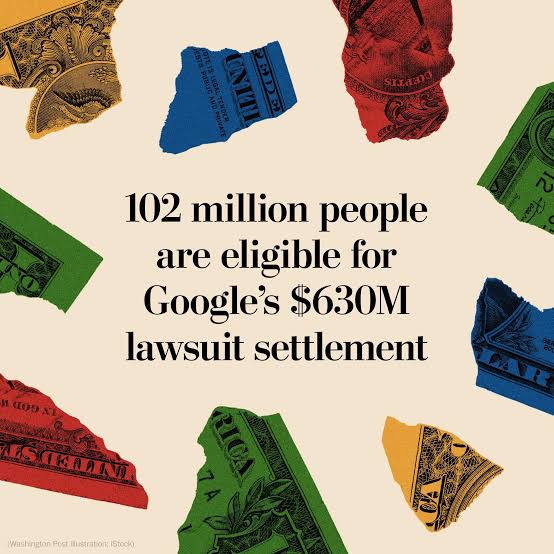
In recent years, Google has faced a series of major legal challenges in the United States, resulting in multimillion-dollar settlements that promise payouts to millions of consumers. While these cases stem from U.S. courts, their implications ripple across the globe, touching every user of Google’s ecosystem, including the vast and growing digital population in Africa.
For African consumers and tech observers, these lawsuits are a critical case study in the global power of Big Tech, the enforcement of digital rights, and the ongoing struggle for fair competition and true privacy in the digital marketplace.
The Major Cases: Antitrust and Privacy Violations
Google is currently navigating two significant legal landscapes: one concerning anti-competitive practices on its Play Store, and another about alleged privacy violations related to data tracking.
The $700 Million Antitrust Settlement
A coalition of 53 U.S. state and territory attorneys general secured a massive settlement against Google. The lawsuit alleged that Google unlawfully maintained a monopoly over Android app distribution and in-app payment processing for years. The states argued this allowed Google to charge consumers and developers unfairly high fees—as much as 30% for app purchases and in-app transactions.
· Status: The settlement has received preliminary court approval. A final approval hearing is set for April 30, 2026.
· Settlement Amount: $700 million.
· Consumer Restitution: Approximately $630 million is designated for consumers.
· Who is Eligible: Consumers in the U.S. and its territories who made a purchase on the Google Play Store between August 16, 2016, and September 30, 2023.
The $425 Million Privacy Violation Lawsuit (Rodriguez v. Google)
A separate federal class action lawsuit resulted in a jury finding Google liable for privacy violations. The plaintiffs successfully argued that Google continued to collect data from users’ mobile devices even after those users had turned off the “Web & App Activity” setting in their Google accounts. The data was allegedly collected from activity within non-Google apps that used certain Google software code.
· Status: Google has denied the allegations and is appealing the verdict. The plaintiffs are seeking an increased payout. No money is available now, and there is no guarantee of a future payout.
· Jury Award: $425 million.
· Who is Eligible: An estimated 98 million U.S. residents who had a personal Google account and turned off/paused “Web & App Activity” or “Supplemental Web & App Activity” between July 1, 2016, and September 23, 2024.
How to Get a Payout: A Step-by-Step Guide
The process for receiving money differs significantly between the two cases.
For the $700 Million Play Store Settlement (Automatic Payments)
Most eligible consumers do not need to file a claim. The settlement is designed for automatic distribution.
· Automatic Process: After final court approval (post-April 30, 2026), you will receive a notification. An email from PayPal or a text from Venmo will be sent to the email or phone number linked to your Google Play account.
· Receiving Funds: If that email/phone is linked to a PayPal or Venmo account, the payment will be deposited automatically. If not, you will be given instructions to create an account or direct the payment to a different account.
Important Dates & Exceptions:
· Exclusion/Objection Deadline: February 19, 2026.
· Supplemental Claims: A separate process will open later for people who don’t use PayPal/Venmo, no longer have access to their old account contact info, or did not receive an expected payment. You can submit your contact information on the official settlement website to be notified when this process begins.
For the $425 Million Privacy Lawsuit (Uncertain & On Hold)
Because the verdict is under appeal, there is no current claims process. Eligible individuals are automatically considered class members unless they chose to opt out by the previous deadline. If the appeal is resolved in the plaintiffs’ favor, a claims process will be announced.
What This Means for the Email Giant
These lawsuits signify a turning point, with tangible consequences for Google’s operations and reputation.
- A Shift in Business Practices: The Play Store settlement isn’t just about money. Google has agreed to make changes to stop the anticompetitive practices identified in the lawsuit. This could lead to a more open Android ecosystem with fairer fees, benefiting developers and, ultimately, consumers through more choice and innovation.
- Scrutiny of “Dark Patterns” in Privacy: The Rodriguez case strikes at the heart of user trust. It challenges the complexity and clarity of privacy settings. The jury’s finding suggests that simply offering a toggle switch is not enough if the underlying data collection isn’t truly halted. This may force Google and other tech companies to simplify privacy controls and be more transparent about data flows.
- A Global Warning Signal: While these are U.S. cases, they set a powerful precedent. Regulators and consumer protection agencies worldwide, including in African nations, are watching. They may be emboldened to strengthen local antitrust and data protection laws, using these cases as a blueprint for enforcing greater accountability from multinational tech firms.
The Pan-African Perspective: Lessons and Implications
For Africa’s digital citizens, these lawsuits are highly relevant. They underscore several key issues:
· The Illusion of Privacy Settings: The Rodriguez case is a stark reminder that privacy controls offered by global platforms may not work as advertised. African users, like all others, should be skeptical and proactive in managing their digital footprints.
· The Cost of Market Dominance: The Play Store’s alleged 30% fee directly impacts African app developers seeking a global audience and consumers who pay for digital services. These cases highlight how monopoly power can inflate costs across an entire ecosystem.
· The Need for Vigilant Regulation: The success of these state-led lawsuits demonstrates the importance of having robust, active regulatory bodies. It’s a call for African regulators to build capacity to ensure that global tech giants operate fairly within their jurisdictions.
Protecting Yourself in the Meantime
Regardless of location, you can take steps to protect your privacy:
· Audit Your Google Settings: Regularly review your privacy and activity controls in your Google Account, but understand their limits.
· Minimize Data Footprint: Limit app downloads, uninstall unused apps, and carefully manage cookie and tracking consents on websites.
· Use Additional Tools: Consider privacy-focused browsers, search engines, and virtual private networks (VPNs) to reduce pervasive tracking.
The billions of dollars Google is being asked to pay are more than a penalty; they are a price tag on broken trust. As the digital landscape evolves, these cases mark a significant effort to redefine the balance of power between tech giants and the billions of users who rely on them every day. The outcomes will shape the internet for years to come, making it a story every connected African should follow closely.
Leave a Reply