How and when it started
Kilimani has long been an upper‑middle‑income Nairobi neighborhood, but it began shifting from low‑density residential to high‑density mixed‑use from the 2000s onward, creating space for new foreign‑owned businesses.[3] Most Chinese migrants arrived in Kenya from the late 1990s and especially after the early 2000s infrastructure boom, then clustered near the Chinese embassy and large Chinese institutions in Nairobi.[3][2][4] By the early 2010s, pockets of Chinese shops, clinics, and eateries in Kilimani had become recognizable enough that local media and vloggers started referring to them as “Chinatown.”[1][2][3]
Where Chinatown is and what businesses thrive
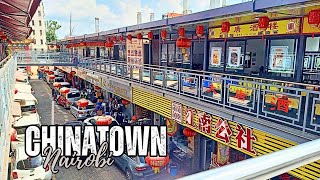
Kilimani’s Chinatown is not one single street but a set of clusters, notably around Chaka Place and near Yaya Centre, as well as along Kilimani/Kindaruma Road and Ring Road Kilimani.[1][2] In these pockets, bilingual Mandarin–English shopfronts mark Chinese supermarkets, groceries, butcheries, and live‑fish stores selling imported ingredients, noodles, herbs, and seafood that cater both to Chinese residents and curious Kenyans.[1][2][5][6] The enclave also features Chinese restaurants, a herbs clinic, small hospitals, casinos, and other service businesses, all embedded within Kilimani’s wider landscape of malls, offices, and high‑rise apartments.[1][2][7][3]
Who lives and spends time there
Kilimani overall houses a sizable upper‑middle‑class population, making it attractive to foreign investors and workers.[3] Within and around the Chinatown pockets, many Chinese nationals live near the embassy and Chinese media offices, using local shops, clinics, and restaurants as a familiar community hub.[2][3][4] At the same time, the area draws Kenyans working in nearby offices, African diaspora and African‑American repatriates, and wider Nairobi residents who come to eat, shop, and experience Chinese culture—sometimes amid debates about “foreign domination” of local commerce.[8][9][3][10]
Everyday life and cultural exchange
Walking through these streets, you encounter Mandarin and English signage, shelves filled with Chinese snacks and condiments, and menus offering dishes like steamed buns, noodle soups, and chicken feet alongside hybrid Kenyan–Chinese flavors.[11][1][2][6] Chinese businesses often operate on their own rhythms, with some owners working day jobs elsewhere and opening shops later, while local intermediaries and translators help bridge language gaps between Chinese merchants and Kenyan clients.[2][1] For Kenyans, the area doubles as a convenient place to access affordable Chinese goods and a living classroom of East Asian culture without leaving Nairobi.
What to expect for the future
Given ongoing Chinese migration and investment in Kenya, Kilimani’s Chinatown is likely to deepen as a cultural and economic hub, especially around embassy and media institutions that feed a steady stream of customers.[2][3][4] If current trends continue—more high‑rise developments, new Chinese‑run shops, and growing African diaspora interest in Kilimani—the neighborhood could become one of East Africa’s most visible symbols of China–Africa urban entanglement, raising questions about local ownership, regulation, and how to balance foreign capital with community interests.
Leave a Reply