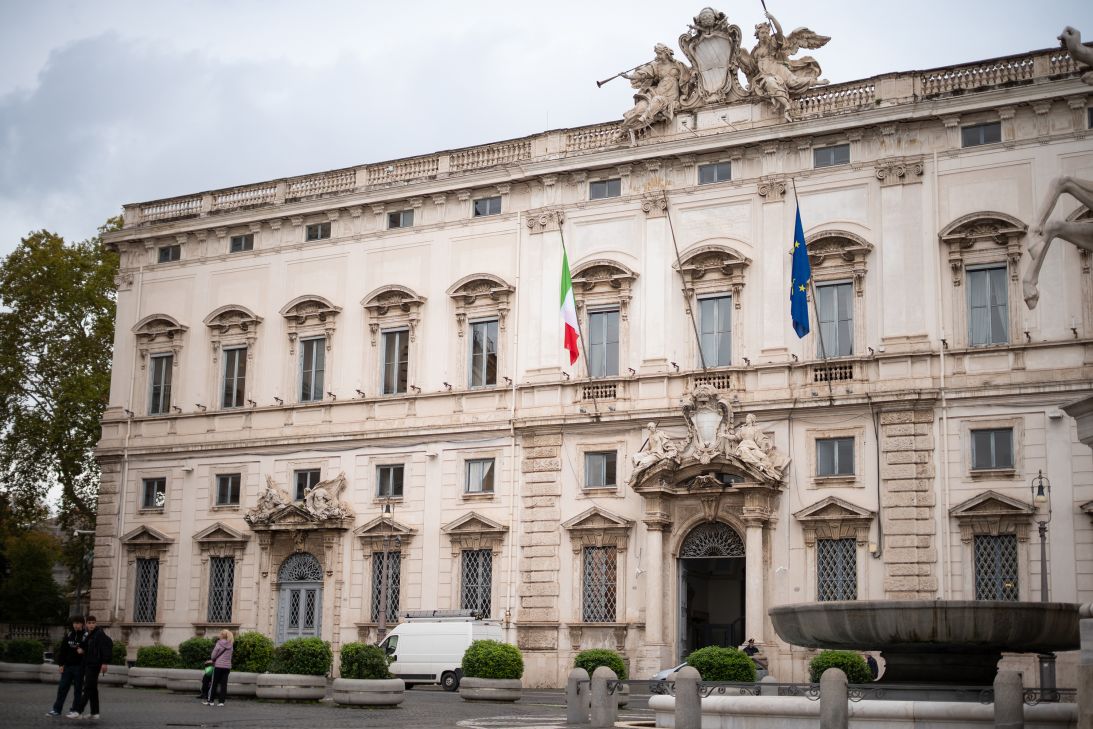
Italy’s new restrictions on dual citizenship close a historic door for much of its global diaspora, including communities in Africa, while also risking long‑term demographic and economic costs for the Italian state.[1][2][3][4]
Italy’s new citizenship turn
Italy’s Constitutional Court has backed a 2025 reform that sharply limits citizenship by descent, effectively ending the previous “open‑ended” dual‑citizenship model for most descendants abroad.[1][2][3][4] Under the new rules, only people with an Italian parent or grandparent – who held only Italian citizenship when the child was born – can still claim citizenship by blood, cutting off the long ancestral chains many in the diaspora relied on.[3][4]
The court rejected constitutional challenges from lower judges, confirming that the government’s emergency “Citizenship Package,” first decreed in March 2025 and later converted into law, remains in force.[3][5] Those who already obtained Italian citizenship, or who filed applications before a March 27, 2025 cut‑off, are protected, but millions who had been preparing applications now find their path blocked.[3]
Italians in African countries
Italian communities in Africa today are relatively small compared to those in the Americas or Europe, but they remain strategically placed in key Pan‑African economies.[6][7] The largest numbers are concentrated in North Africa and a handful of stronger sub‑Saharan economies where Italian business, energy, and construction firms are active.[6][7]
Key African hosts of Italian nationals and diaspora include:[6][7]
- South Africa – Over 77,000 people of Italian origin, about half holding Italian citizenship, with communities centered in Johannesburg and other major cities.[6]
- Libya – A historic hub of Italian settlement under colonial rule, with a reduced but still significant Italian business and technical presence today.[6]
- Tunisia – Around 900 long‑term Italian residents as of the mid‑2000s, plus a few thousand temporary workers tied to Italian companies.[6]
- Algeria, Egypt, Morocco – Longstanding Italian communities linked to Mediterranean trade, engineering, and energy projects.[6][7]
- Nigeria – A notable cluster of Italians around oil, gas, and infrastructure projects, reflecting Nigeria’s economic weight.[7]
These communities are small in absolute numbers but heavily concentrated in sectors like construction, energy, telecoms, and manufacturing, which anchor Italy’s commercial footprint on the continent.[6][7]
Main African hosts of Italians (indicative)
Country Nature of Italian presence (diaspora and citizens) South Africa Largest community in Africa; ~77,400 people of Italian origin, ~28,000 Italian citizens.[6] Libya Historic settler community; today mainly business, oil, and construction links.[6] Tunisia Hundreds of long‑term residents, a few thousand temporary professionals.[6] Algeria Longstanding merchant and technical communities in coastal cities.[6][7] Egypt Mediterranean trade, shipping, energy, and cultural ties.[6][7] Morocco Smaller but strategic business and tourism‑linked presence.[6][7] Nigeria Italian engineers, managers, and traders in oil, gas, and infrastructure.[7]
Economic and demographic impact on Italy
Italy enters this restrictive phase from a position of low growth and demographic fragility, which makes the shrinking of its citizenship pipeline particularly striking.[8][9] Official forecasts from the national statistics institute (Istat) project GDP growth of just 0.5% in 2025 and 0.8% in 2026, with domestic demand doing all the work while net foreign demand drags.[8][9]
Employment is expected to grow slightly faster than GDP, and unemployment is forecast to fall toward about 6.1–6.2%, but these trends sit atop a rapidly ageing, low‑fertility population that increasingly depends on migrants and returning diaspora to sustain its labour force.[8] Restricting dual citizenship by descent closes a relatively low‑cost channel for Italy to attract skilled or capital‑bearing descendants who could contribute through remittances, investment in property, tourism, and eventual relocation.[3][4]
In the African context, fewer dual‑national Italians means: reduced incentives for young African‑Italian professionals to build bi‑continental lives, less formal integration of longstanding Italian business networks into Italian political space, and a likely tilt toward other passports (including African and third‑country citizenships) when choosing where to invest and raise families.[3][6][7] Over time this can weaken Italy’s soft power in key African markets, as fewer local elites hold Italian nationality and fewer African‑based Italians vote or lobby directly inside Italy’s political system.[3][7]
Pan‑African stakes and opportunities
For Pan‑African states hosting Italian communities, the ruling is a reminder that the global North’s passport politics can suddenly shift, while Africans abroad still face long‑standing barriers to naturalisation and mobility in Europe.[1][2][3] The decision could prompt some Italian‑origin families in Africa to reconsider their options, deepening their roots on the continent or seeking alternative citizenship arrangements that are more aligned with African regional integration projects.
African governments can respond in several ways: by courting Italian capital and skills that now feel less welcomed in Italy, by offering clearer residence and investment pathways to diaspora‑linked families, and by pushing in EU‑Africa diplomacy for more reciprocal mobility regimes that recognise Africa as a strategic partner rather than merely a migration “problem.”[6][7] For Pan‑African movements, Italy’s retreat from its diaspora strengthens the argument that Africans must build continental institutions – from ECOWAS and SADC to the African Union – that protect the rights and mobility of Africans without over‑reliance on European citizenship.
Population, GDP, and the long view
Italy’s economy remains one of Europe’s largest, but its long‑term trajectory is constrained by demography.[8][9] Istat’s outlook underscores that modest GDP growth over 2025–2026 will rely on domestic demand, while population ageing, low fertility, and cautious investment keep the expansion fragile.[8][9]
By tightening dual citizenship, Italy risks turning away younger, globally connected populations – including those in Africa – who could help rebalance its age structure and sustain its labour market.[3][4] In effect, Rome is trading short‑term administrative relief for a slower pipeline of new Italians at precisely the moment when its census figures point toward an older, smaller, and more fiscally burdened society.
Leave a Reply