Tensions between Mozambique and Rwanda have resurfaced, threatening to disrupt the fragile security framework underpinning multibillion-dollar gas investments led by ExxonMobil and TotalEnergies in Cabo Delgado province.
At the center of the dispute is Maputo’s suspension of financial contributions toward the deployment of Rwandan troops, raising fresh concerns about stability in one of Africa’s most strategically important energy corridors.
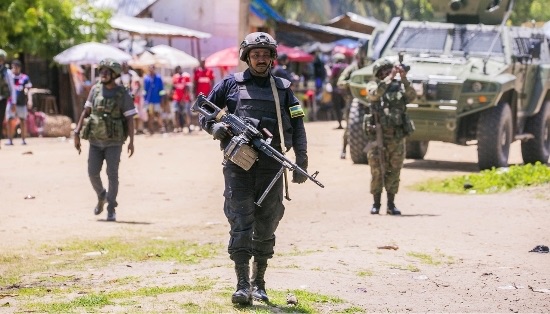
Since 2021, Rwanda has played a pivotal role in helping Mozambique combat an Islamist insurgency in Cabo Delgado, a region rich in natural gas reserves. The Rwanda Defence Force (RDF), alongside Mozambican forces, has been instrumental in reclaiming key territories, including Palma — a town critical to the operations of international energy giants.
However, relations between Maputo and Kigali have deteriorated once again over delayed or halted payments for Rwanda’s military support. According to sources familiar with the situation, Mozambique has either reduced or completely paused its financial obligations to Rwanda, sparking frustration within Kigali and casting uncertainty over the future of the deployment.

This development has direct implications for ExxonMobil and TotalEnergies, both of which have heavily invested in liquefied natural gas (LNG) projects in the region.
TotalEnergies, in particular, had previously halted its $20 billion Mozambique LNG project following insurgent attacks in 2021, only recently signaling a cautious return as security conditions improved under the protection of Rwandan and regional forces.
A breakdown in cooperation between Mozambique and Rwanda could undermine these gains. Security analysts warn that any withdrawal or reduction of Rwandan troops may create a vacuum that insurgent groups could exploit, potentially reigniting violence in areas surrounding key energy infrastructure.
For Maputo, the financial strain of maintaining foreign troop deployments comes at a time of broader economic pressures.
The government has been balancing debt obligations, development needs, and security expenditures, making sustained payments to external military partners increasingly difficult.
On the other hand, Rwanda views its intervention as both a regional security commitment and a service that warrants reliable compensation.
The dispute also highlights the complex intersection of African-led security initiatives and international commercial interests.
While Rwanda’s intervention has been widely praised for its effectiveness, it has also raised questions about the long-term sustainability of such arrangements, particularly when tied to fluctuating financial commitments from host nations.
For ExxonMobil and TotalEnergies, the situation underscores the persistent risks of operating in conflict-prone regions, even as security conditions appear to improve. Both companies are closely monitoring the evolving dynamics between Maputo and Kigali, aware that their operational timelines and investment returns are directly linked to the stability of Cabo Delgado.
As negotiations between Mozambique and Rwanda continue behind closed doors, stakeholders across the energy and security sectors are watching closely. The outcome will not only shape the future of Cabo Delgado’s LNG projects but also set a precedent for how African nations collaborate — and compensate each other — in addressing shared security challenges.
Leave a Reply