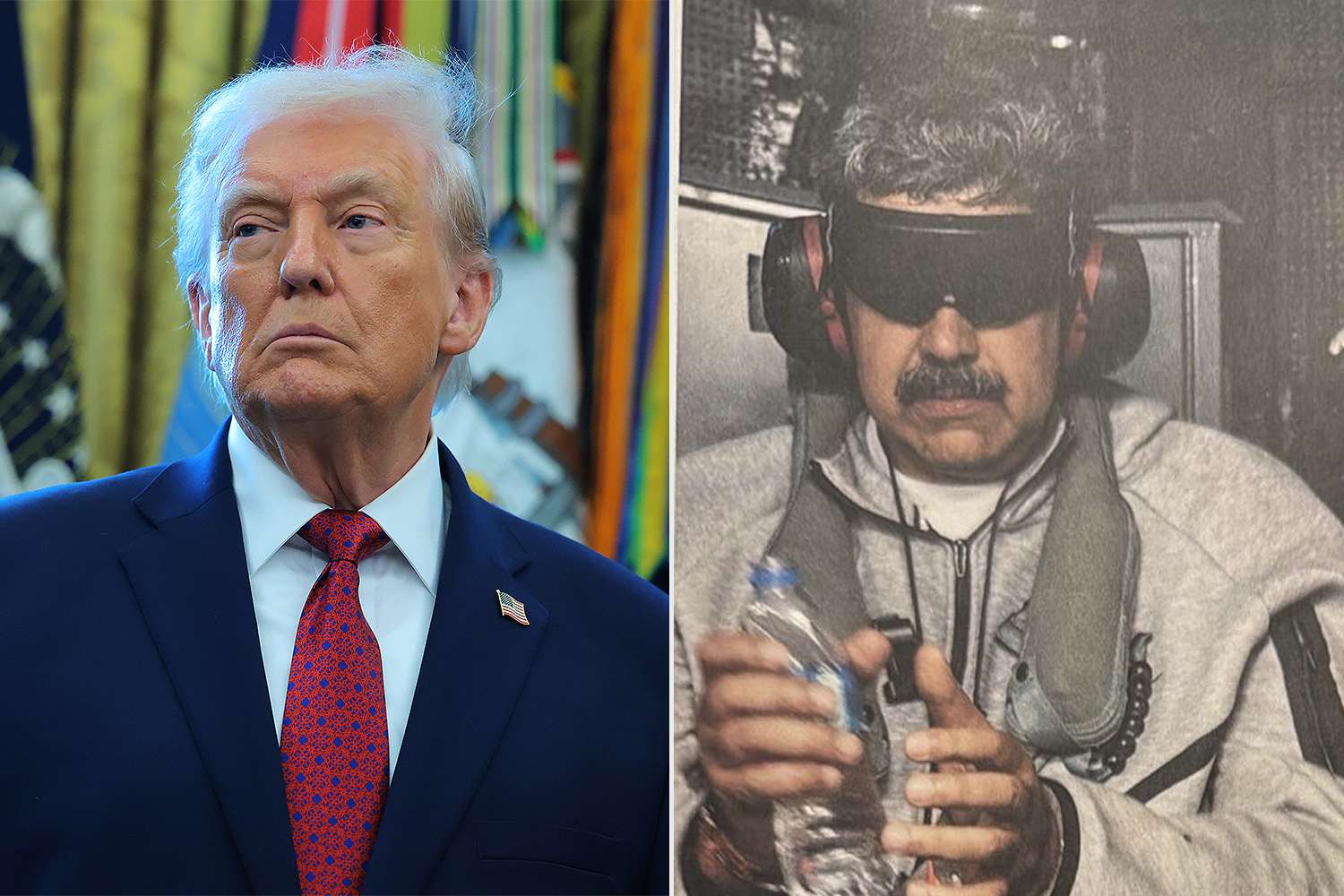
The dramatic capture of Venezuelan President Nicolás Maduro, following military strikes ordered by former US President Donald Trump, has sent seismic waves through the international community, exposing stark geopolitical divides. While the United States and some of its closest allies have responded with measured caution, the action has been met with fierce condemnation from Caracas’s key partners, notably Russia and Iran. For Africa, the event is not a distant crisis but a high-stakes development with direct implications for the continent’s energy security, diplomatic principles, and the future of multilateral alliances.
The operation, touted by the Trump administration as a necessary intervention to restore democracy and combat alleged narco-terrorism, was met with a tepid response from traditional European allies. Nations like the United Kingdom, France, and Germany issued statements calling for stability and a peaceful, Venezuelan-led democratic transition, carefully avoiding outright endorsement of the unilateral military action. This caution underscores a deep-seated unease with Trump’s “America First” foreign policy and its disruptive approach to sovereignty.
In contrast, the reaction from Venezuela’s allies was swift and severe. Russia denounced the move as an “illegal and brazen act of aggression” and a blatant violation of international law, convening an emergency UN Security Council meeting. Iran labelled it “21st-century imperialism,” drawing parallels to historic western interventions. Their outrage highlights how Venezuela has become a proxy battleground for great power competition, with Maduro’s regime backed by Russian military support and Iranian energy expertise.
The African Perspective: Between Principle and Pragmatism
For the Pan-African world, the crisis presents a complex dilemma. On one hand, the principle of sovereignty and non-interference is sacrosanct, a cornerstone of the African Union and a hard-learned lesson from the continent’s colonial past. The image of a foreign power launching strikes and capturing a sitting president is anathema to these ideals. Many nations, particularly those with strong ties to the BRICS+ bloc which includes both Russia and an invited Venezuela, are likely deeply uncomfortable with Washington’s actions.
On the other hand, pragmatic concerns loom large. Venezuela sits on the world’s largest oil reserves. A major disruption or a shift in its alliance structure could significantly impact global oil markets. For African oil-exporting nations, this spells price volatility and economic uncertainty. For oil-importing nations, already grappling with high fuel costs, the threat of further price surges is a direct threat to development and stability.
Moreover, the precedent set is alarming. “If this can be done to Venezuela today, which nation becomes tomorrow’s target?” is a question echoing in many African capitals. This sentiment strengthens the argument for a multipolar world order and may accelerate efforts to strengthen continental and Global South alliances as a counterbalance.
As the dust settles, the global reaction to Maduro’s capture reveals a world increasingly fractured. For Africa, the event is a stark reminder that distant geopolitical clashes carry local consequences. The continent’s response—whether a unified call for dialogue at the AU, or a more fragmented, silent pragmatism—will be a significant test of its diplomatic voice and strategic priorities in a turbulent new era.
Leave a Reply