
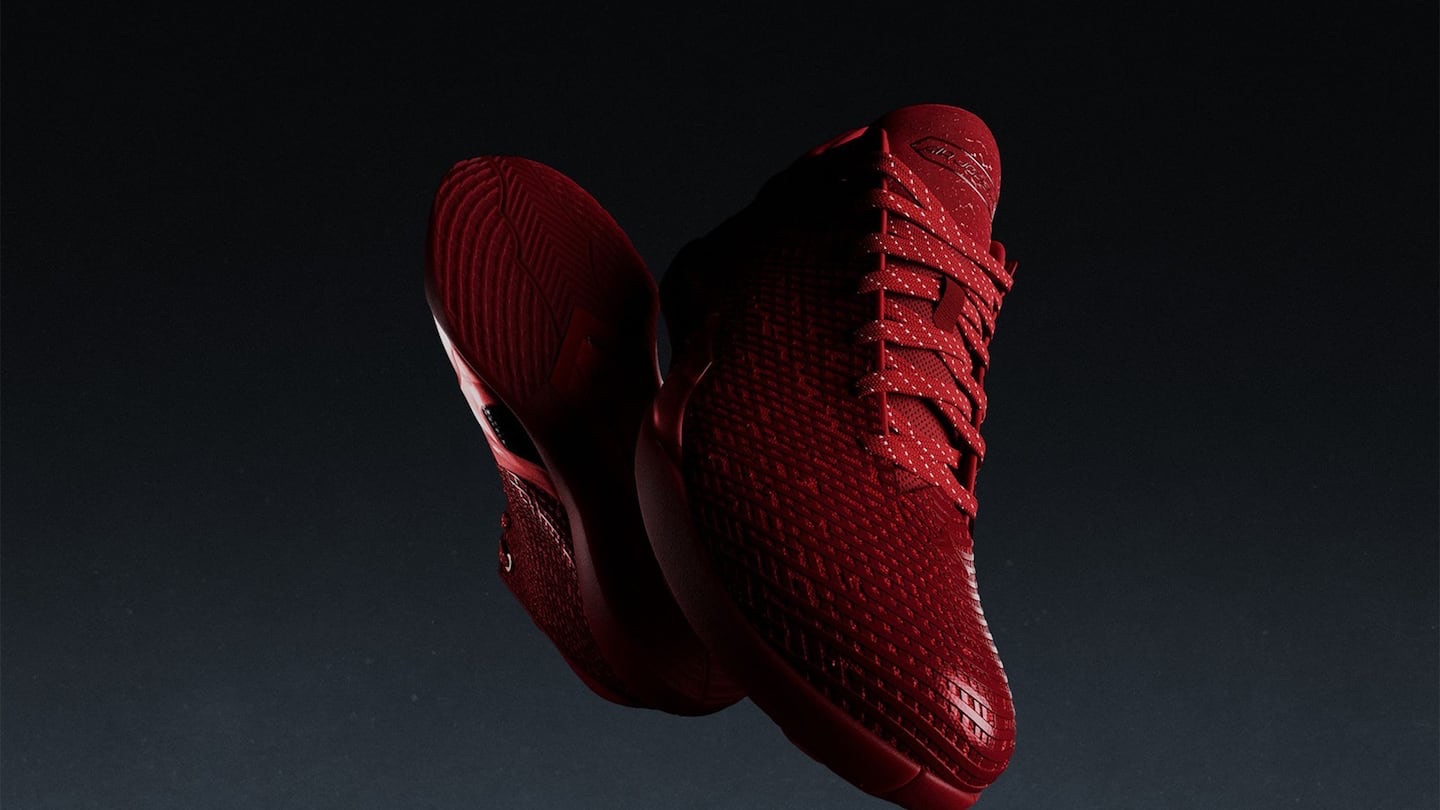
Jordan Brand is preparing for the next chapter of one of the most influential sneaker franchises in history with the upcoming Air Jordan 41. The new model continues the annual evolution of Michael Jordan’s original signature footwear line while reflecting the brand’s broader approach to innovation, performance and cultural relevance.
The Air Jordan franchise has grown far beyond basketball. Since the debut of the original Air Jordan in 1985, the name has become closely associated with athletic performance, fashion, music, street culture and global youth identity. Each new model therefore carries the challenge of honoring Michael Jordan’s legacy while creating something relevant to a new generation.
Jordan Brand prepares for Air Jordan 41
The Air Jordan 41 represents the latest entry in Michael Jordan’s OG signature shoe series. Its development comes at a time when the sneaker industry continues to change rapidly, with consumers increasingly interested in products that combine performance technology, design and cultural storytelling.
For Jordan Brand leadership, introducing a new numbered model every year is not simply a matter of producing another basketball shoe. It is an opportunity to examine what athletes need, how consumers interact with footwear and how the Jordan identity can continue to evolve.
Jason Mayden, Jordan Brand’s vice president of visioneering and chief of design, discussed the philosophy behind the upcoming release in an interview with The Business of Fashion. His perspective highlights the tension at the heart of the Air Jordan franchise: maintaining a connection to its historic foundation while refusing to remain trapped in the past.
Innovation without abandoning the legacy
The challenge facing any long-running signature footwear franchise is balancing tradition with innovation.
The original Air Jordan became iconic partly because it represented a break from conventional basketball footwear. Michael Jordan’s shoes were designed around the demands of an extraordinary athlete, but they also developed an identity that extended beyond the court.
That legacy creates a unique responsibility for each subsequent Air Jordan model. Designers must consider the expectations associated with the Jordan name while finding new ways to improve performance and aesthetics.
The Air Jordan 41 continues that process.
Rather than treating the franchise as a museum piece, Jordan Brand’s philosophy positions the numbered series as an ongoing design conversation. Each generation can respond to changes in sport, technology and culture while remaining connected to the history established by Jordan himself.
Why release a new Air Jordan every year?
One of the most interesting questions surrounding the franchise is why Jordan Brand continues to introduce a new numbered Air Jordan model annually.
For many sneaker consumers, older Air Jordans remain highly desirable. Retro releases routinely demonstrate the strength of the original designs and the emotional connection that consumers have with different periods of Michael Jordan’s career.
But the continued development of new models serves a different purpose.
Basketball footwear is constantly evolving. Athletes require new levels of cushioning, stability, responsiveness, weight reduction and durability. A performance shoe designed for today’s game cannot simply rely on technology developed decades ago.
The annual Air Jordan series therefore gives Jordan Brand a platform to experiment.
Each new model can become a testing ground for materials, construction techniques and performance technologies while maintaining the recognizable DNA of the franchise.
Michael Jordan’s influence remains central
Although the Air Jordan line has become a massive global business, its foundation remains Michael Jordan.
Jordan’s career transformed the relationship between professional athletes and consumer brands. His influence helped demonstrate that an athlete’s signature product could become a cultural object in its own right.
The Air Jordan name subsequently became powerful enough to exist across generations.
For consumers who watched Jordan dominate the NBA, the shoes can represent memories of his championship years. For younger consumers who never saw him play, the brand represents a broader cultural legacy connected to basketball, fashion and global Black popular culture.
That multigenerational appeal is one of the reasons the franchise remains commercially significant.
A global cultural phenomenon
The Air Jordan story also extends well beyond the United States.
Basketball has become increasingly global, and sneaker culture has developed strong communities across Africa, Europe, Asia, the Caribbean and Latin America. African consumers, designers, athletes and creatives have increasingly participated in global conversations around footwear, fashion and sports culture.
For African youth in particular, sneakers can function as more than athletic equipment. They can represent personal style, aspiration, creativity and participation in a global cultural movement.
Jordan Brand’s continued development of the Air Jordan franchise therefore takes place within a worldwide marketplace where the meaning of the sneaker is constantly being reinterpreted.
The future of the Air Jordan franchise
The Air Jordan 41 arrives with the weight of more than four decades of history behind it.
That history presents both an advantage and a challenge. Jordan Brand possesses one of the most recognizable names in sportswear, but maintaining cultural relevance requires continual reinvention.
The philosophy discussed by Jason Mayden suggests that the future of Air Jordan will not depend solely on recreating the past. Instead, the franchise must continue to explore what basketball footwear can become while preserving the emotional connection that made the Air Jordan name iconic.
As the Air Jordan 41 prepares to enter the market, sneaker enthusiasts will be watching closely to see how Jordan Brand translates that philosophy into the final product.
The next chapter of the Air Jordan story is therefore not simply about another number.
It is about how one of the world’s most recognizable athletic brands continues to balance heritage, innovation, performance and culture — and whether the latest generation can create the same sense of anticipation that has surrounded the Air Jordan name for decades.
Leave a Reply