A red notice from Interpol and an extradition request to the United States mark a dramatic turn in Ghana’s pursuit of a former finance minister accused of masterminding a multimillion-dollar scheme that allegedly defrauded the state.
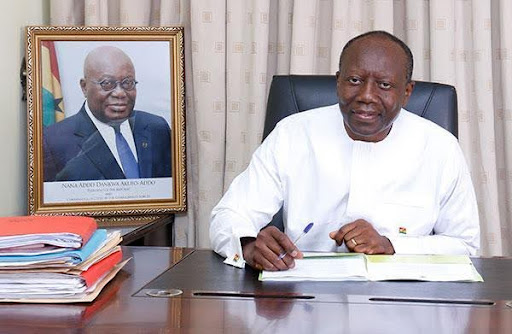
Ghana’s former Finance Minister, Ken Ofori-Atta, has been formally charged with 78 counts of corruption. The charges stem from an alleged scheme involving Strategic Mobilisation Ghana Limited (SML), a company accused of securing lucrative government contracts through unfair advantage. Ofori-Atta, who is currently abroad, was declared a fugitive after failing to appear for questioning, prompting Ghana to seek his extradition from the US. This case is a flagship prosecution under the government’s “Operation Recover All Loot” (ORAL) initiative, signaling an aggressive push to hold high-profile figures accountable.
The Core of the Accusations
The Office of the Special Prosecutor (OSP) alleges that Ken Ofori-Atta conspired with former officials from the Ghana Revenue Authority (GRA) and the owner of SML to create a “criminal enterprise.” The goal of this enterprise, according to prosecutors, was to manipulate the public procurement process to consistently award contracts to SML.
· The Contracts in Question: The investigation focuses on several high-value arrangements, most notably a revenue assurance contract between the GRA and SML for the petroleum and minerals sectors. The OSP claims the state suffered a financial loss of GH¢1.4 billion (approximately $128 million) due to these deals.
· A Prevented Loss: President John Mahama ordered the cancellation of the SML contract in October 2025. The OSP revealed that had the contract continued, SML directors expected the state to pay them $2.8 billion over five years without parliamentary approval.
· Broader Probe: Beyond the SML case, the OSP’s wider investigation into Ofori-Atta includes scrutiny of his role in the controversial National Cathedral project, a 307-ambulance procurement deal for the Ministry of Health, and the termination of a contract with the Electricity Company of Ghana.
Timeline of a Prosecution
The legal pursuit of the former minister has evolved over nearly a year, marked by missed deadlines and international alerts.
· January 2025: The OSP names Ofori-Atta a suspect and orders him to appear on February 10. His lawyers state he is outside Ghana indefinitely for medical treatment.
· February 2025: After he fails to appear, the OSP declares him a fugitive and secures an arrest warrant. Ofori-Atta later promises to return voluntarily in May.
· June 2025: He fails to appear on the agreed June 2 date. The OSP reaffirms his fugitive status and successfully petitions Interpol to issue a Red Notice for his arrest worldwide. An extradition request is submitted to the US via the Attorney-General.
· November 2025: The OSP formally files 78 corruption-related charges against Ofori-Atta and seven others, including former GRA commissioners and the SML owner. The court process to arraign the accused begins.
Political Reactions and Public Sentiment
The case has ignited a fierce debate in Ghana, revealing deep political divisions.
Support for Prosecution: Many citizens and anti-corruption campaigners see the charges as a long-overdue victory for accountability. A petition from “Concerned Citizens of Ghana” to the U.S. Embassy argues, “Justice must not depend on geography. Let the law work,” urging assistance in bringing Ofori-Atta back to face trial.
Allegations of Political Motives: Opponents, particularly from the opposition New Patriotic Party (NPP), view the timing and rigor of the prosecution as suspicious. An NPP activist called it “political cherry-picking to weaken the NPP before the next elections”. Former Information Minister Fatimatu Abubakar criticized the current administration, suggesting that when her party was in power, they exercised restraint in prosecuting political opponents.
A Pragmatic Middle Ground: Some Ghanaians express a weary focus on results over politics. As one retired civil servant put it, “I don’t care about their parties; I just want the money back. If they are guilty, jail them. If not, the state should stop wasting our time and resources”.
Understanding the Legal Framework and Potential Consequences
Ghana’s legal system provides a robust framework for prosecuting corruption, with severe penalties for conviction.
Key Laws Applied:
· Criminal Offences Act, 1960 (Act 29): Used for charges like conspiracy and defrauding by false pretences.
· Public Procurement Act, 2003 (Act 663): Used for charges related to improperly influencing the procurement process.
Potential Penalties:
· Defrauding by False Pretences: A second-degree felony punishable by up to 25 years in prison.
· Money Laundering: Carries a potential sentence of 10 to 20 years of imprisonment.
· Forgery: Typically attracts a prison term of up to 10 years.
The OSP’s rejection of a reported GH¢38 million plea bargain from one defendant’s camp indicates a strategy aimed at securing criminal convictions rather than merely recovering funds.
A Continental Precedent
The prosecution of a figure as prominent as a former finance minister, who is also a cousin of a past president, is being closely watched across Africa. It tests whether political connections can still shield the powerful from accountability. The success or failure of this case, and the broader “Operation Recover All Loot,” will send a clear signal about the strength of Ghana’s—and by extension, other African democracies’—institutions.
The coming months will be decisive as Ghana navigates the complexities of extradition and what promises to be a highly contentious trial. The outcome will determine whether this case becomes a landmark for the rule of law or another chapter in the region’s long struggle against graft.
🇬🇭 Ghana’s Anti-Corruption Battle Reaches Former Finance Minister: A Test for the Rule of Law
Leave a Reply