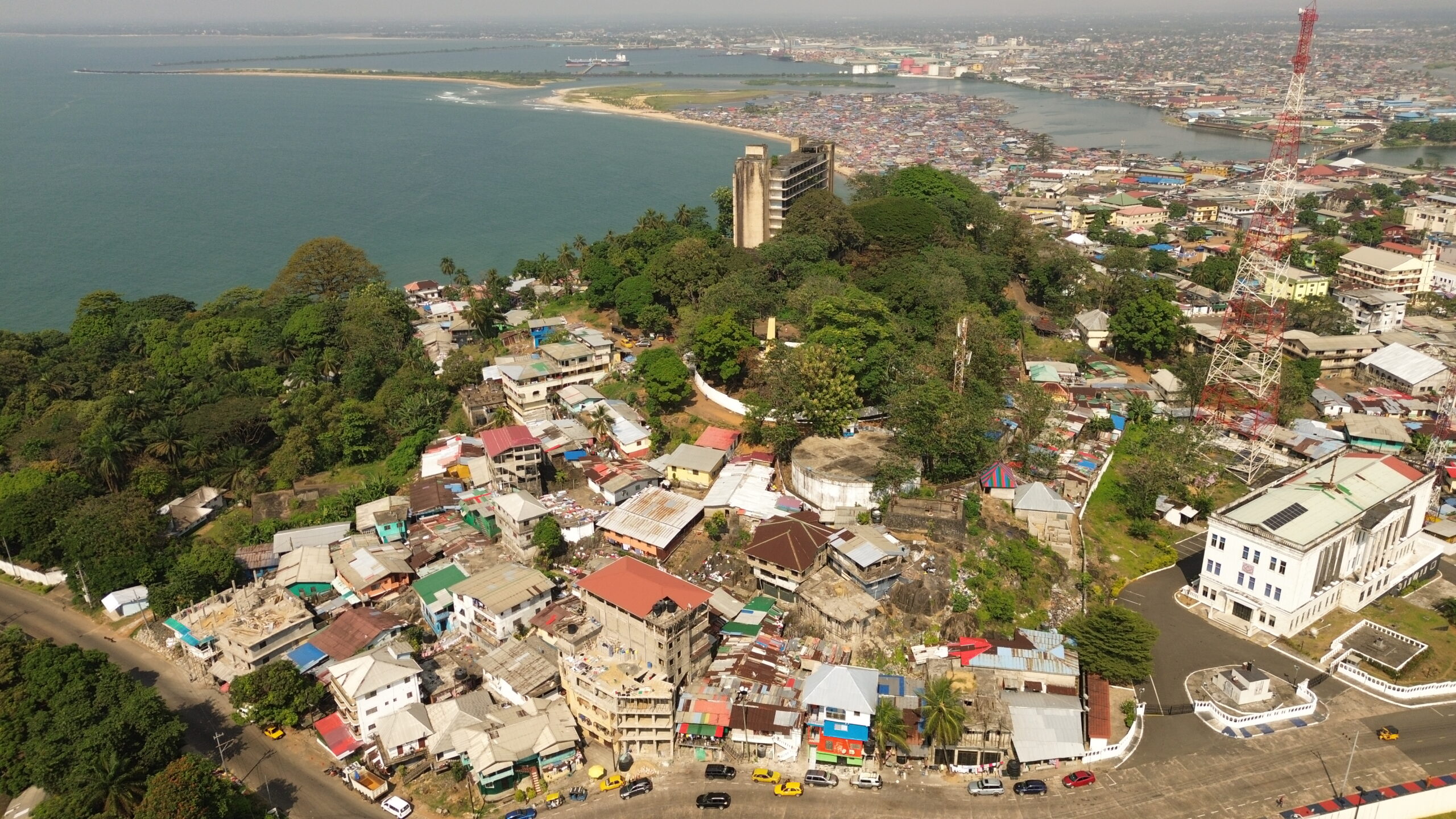
Monrovia, Liberia — In recent years, the diplomatic landscape between Liberia and the United States has taken on a new dimension with sustained investments in infrastructure, policy engagement, and strategic cooperation. At the heart of this renewed relationship is the U.S. Embassy in Monrovia — a modern diplomatic mission that reflects both countries’ deep historical ties and shared aspirations for peace, prosperity, and regional leadership.
A Renewed Diplomatic Presence in Liberia
Situated at 502 Benson Street, Monrovia, the U.S. Embassy serves as the primary link between Liberia and one of its oldest international partners. Liberia and the United States have maintained formal diplomatic relations since the American Legation was elevated to embassy status in 1949, and today the mission continues this legacy with broadened scope in trade, governance, health, and security cooperation.(Travel.state.gov)
Under the leadership of career diplomats and Chargé d’Affaires such as Joseph Zadrozny, the embassy has been active not just in consular work but in community engagement and development programming. Recent diplomatic activities include outreach to local business sectors and partnerships to support economic growth, such as efforts with port authorities on operational improvements.(liberianinvestigator.com)
Diplomacy Beyond Offices — Policy, Security, and Community
The U.S. Embassy in Monrovia has taken on an increasingly visible policy role, including clarifying and upholding visa procedures that impact thousands of Liberians annually. These include updated security vetting, such as the requirement for visa applicants to make certain social media accounts public to assist identity verification — a policy the mission emphasizes as part of broader security commitments.(FrontPageAfrica)
At the same time, embassy communications have extended into sensitive policy areas, from immigration enforcement reminders to public advisories about political demonstrations near the facility — reflecting Liberia’s dynamic social and political environment.(lr.usembassy.gov)
Strategic Partnerships and Health Cooperation
The presence of the U.S. Embassy represents more than diplomatic protocol — it anchors expanded cooperation in areas critical to Liberia’s development. In late 2025, the governments of Liberia and the United States signed a landmark US$124 million health cooperation agreement, positioning Liberia among the first West African nations to engage in this enhanced level of bilateral public health partnership. The agreement aims to strengthen disease surveillance, outbreak response, and frontline health workforces, aligning with post-pandemic priorities for resilient health systems.(allAfrica.com)
A Hub for Regional Engagement and International Support
Beyond bilateral ties, the embassy plays a catalytic role in broader regional diplomacy. Liberia’s election to a non-permanent seat on the United Nations Security Council has drawn congratulatory support from the U.S. mission, reinforcing Monrovia’s role in continental governance conversations.(Zawya)
This diplomatic engagement also extends into national dialogues and civil society, where U.S. officials host and recognize Liberian alumni of exchange programs and other initiatives designed to empower a new generation of leaders.(lr.usembassy.gov)
Looking Forward: Challenges and Opportunities
Despite progress, the U.S. Embassy’s expanded profile comes amid complex challenges — from navigating increasingly stringent visa protocols to balancing public perceptions of foreign influence. Liberia’s civil society and political leadership continue to engage the mission on issues including transparency, economic opportunities, and regulatory clarity.(mofa.gov.lr)
Nevertheless, the embassy stands as a cornerstone of Liberia-U.S. relations, embodying both historical solidarity and forward-looking cooperation. As partnerships deepen in health, trade, security, and governance, Monrovia’s diplomatic landscape is evolving — with the U.S. Embassy at its center.
About the Author:
PanAfrican.Email writers focus on diplomatic affairs, regional policy, and African international relations.
Leave a Reply