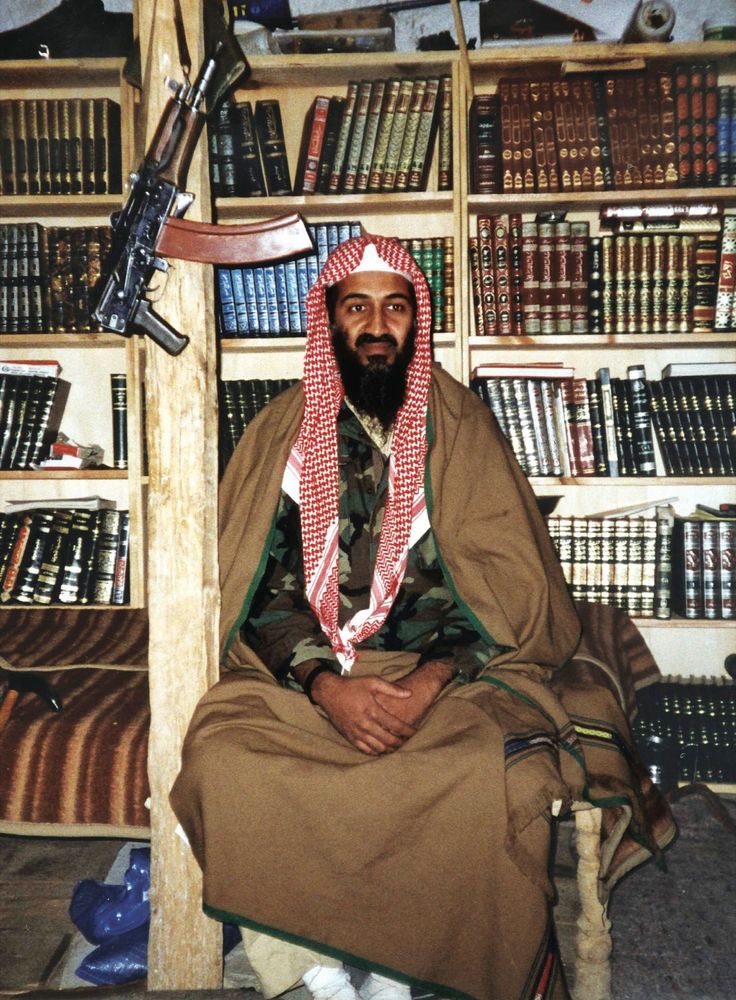
ABBOTTABAD, Pakistan — In the quiet, leafy streets of this Pakistani cantonment city, a demolished concrete plot tells a story the world thinks it knows. For years, behind its imposing walls, the world’s most wanted man lived in plain sight. Today, the neighbors who lived alongside Osama bin Laden share a consistent and unsettling refrain: they doubt the dramatic narrative sold to the globe.
RocaNews recently visited the now-vacant site of bin Laden’s final compound, not to rehash the well-documented raid, but to listen to the community that witnessed its aftermath. Their collective skepticism reveals a deep disconnect between the definitive version of history presented by Western powers and the lived experience on the ground.
The Compound Next Door: Normalcy and Silence
Before the night of May 2, 2011, the compound at the end of Bilal Town’s dirt road was known for its unusual features—eighteen-foot walls topped with barbed wire, few windows, and a private security detail. Yet, to many neighbors, it was just a mysterious part of the neighborhood. “We thought it was maybe a drug lord, or a smuggling operation,” one long-time resident shared, requesting anonymity. “We avoided it. You didn’t ask questions.”
The revelation that it housed Osama bin Laden for nearly six years was a shock that turned their community into an international spectacle overnight. The intense media scrutiny and military investigation that followed have since faded, but the doubts have hardened.
The Night of the Raid: A Disputed Account
Western media has immortalized the U.S. Navy SEALs’ Operation Neptune Spear as a forty-minute, precision night raid involving stealth helicopters, gunfire, and a final, fatal shot to bin Laden.
Residents recall something different. Several neighbors describe a longer, more chaotic event. “There was shooting, but it started and stopped. Then there were explosions,” said a shopkeeper whose home is a few hundred meters away. “It went on for over an hour, maybe two. The official story says it was quick and clean. It was not.”
Most strikingly, multiple individuals expressed disbelief that the man killed that night was bin Laden at all. Their theories range from belief that he died years earlier to suspicions that the raid was a staged spectacle. “If the most wanted man was here, in a city full of military, for so many years, how can we believe anything they say?” questioned one former local official. This pervasive distrust is less about specific evidence and more about a fundamental loss of credibility in the narratives of both the U.S. and Pakistani governments.
A Legacy of Distrust and a Bulldozed Plot
The Pakistani government quickly bulldozed the compound in 2012, a move officials stated was to prevent it from becoming a militant shrine. For the neighbors, its erasure felt like the silencing of a crime scene. “They destroyed it so no one could ever look again,” one man remarked.
Today, the site is an empty, scrubby field. Children play cricket on its periphery, and life has moved on, yet a profound skepticism lingers. It is a skepticism born from a history of external intervention, perceived falsehoods from authorities, and the jarring experience of learning that a global symbol of terror was a silent neighbor.
This local skepticism in Abbottabad echoes a sentiment found in many communities across the Global South, where official histories penned by powerful nations are often met with critical scrutiny. The gap between the definitive television graphics and the confused accounts of eyewitnesses remains a powerful testament to the complex truth of history.
Leave a Reply