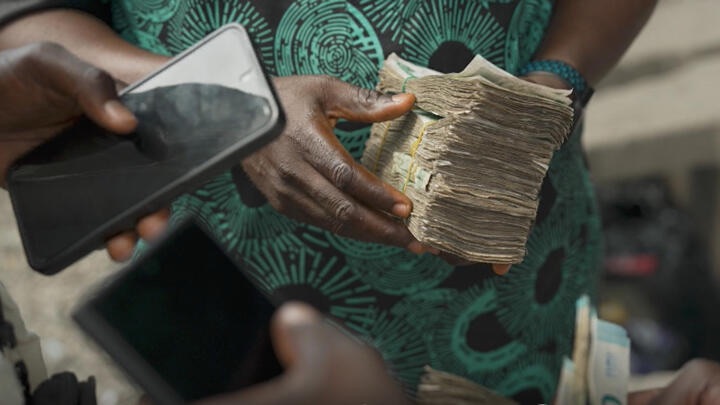
In markets, universities, tech hubs, and small businesses across Nigeria, cryptocurrency has evolved from a niche internet trend into a powerful financial tool shaping everyday life. Over the past several years, millions of Nigerians have turned to Bitcoin, stablecoins, and other digital assets as a way to survive economic instability, protect savings, and access global financial opportunities.
Today, nearly one in ten Nigerians is estimated to own or use cryptocurrency in some form, placing the country among the world’s fastest-growing crypto markets. For many citizens, especially the youth, crypto represents more than speculation — it symbolizes financial independence in an economy facing inflation, currency devaluation, and limited access to foreign exchange.
Escaping the Weakening Naira
One of the biggest drivers behind Nigeria’s crypto adoption is the declining strength of the naira. In recent years, the national currency has lost significant value against the US dollar, making imported goods, tuition fees, travel, and online services increasingly expensive for ordinary citizens.
As inflation continues to rise, many Nigerians have begun converting their savings into cryptocurrencies such as Bitcoin and USDT (Tether) to preserve purchasing power. Stablecoins tied to the US dollar have become especially popular among freelancers, entrepreneurs, and small business owners seeking protection from the volatility of local currency markets.
For some families, digital assets now serve the same role that foreign bank accounts once played — a hedge against economic uncertainty.
A Youth-Driven Financial Revolution
Nigeria’s crypto movement is heavily powered by young people. With one of Africa’s youngest populations and a rapidly growing tech ecosystem, the country has become fertile ground for digital finance innovation.
Across cities like Lagos, Abuja, and Port Harcourt, many young Nigerians participate in crypto trading through mobile apps and peer-to-peer platforms, hoping to generate income in an environment where unemployment and underemployment remain major concerns.
For some, cryptocurrency trading offers an alternative path to wealth creation outside traditional banking systems. Others use blockchain technology for cross-border payments, online business transactions, and remote freelance work with international clients.
The rise of social media influencers and online trading communities has further accelerated crypto culture among Nigerian youth, turning digital assets into both a financial movement and a lifestyle trend.
Government Regulation and Tensions
Despite the sector’s rapid growth, Nigeria’s relationship with cryptocurrency has been complex. Authorities have expressed concerns about fraud, capital flight, and financial instability linked to unregulated digital transactions.
In 2021, the Central Bank of Nigeria restricted financial institutions from facilitating cryptocurrency transactions, pushing much of the industry toward peer-to-peer trading networks. However, the restrictions did little to reduce adoption. Instead, Nigerians adapted by using decentralized platforms and informal trading systems.
In recent years, regulators have begun exploring clearer frameworks for digital assets while simultaneously promoting the eNaira, Nigeria’s central bank digital currency (CBDC). Yet many citizens still prefer decentralized cryptocurrencies due to concerns over inflation and trust in government-controlled financial systems.
Africa’s Expanding Crypto Economy
Nigeria’s crypto surge reflects a broader trend across Africa. From Kenya to Ghana and South Africa, digital currencies are increasingly being used for remittances, trade, savings, and digital entrepreneurship.
Supporters argue that blockchain technology could help Africa overcome long-standing financial barriers by reducing transaction costs, improving financial inclusion, and connecting African businesses to the global digital economy.
Critics, however, warn about volatility, scams, cybercrime, and the risks inexperienced investors face in speculative markets.
The Future of Crypto in Nigeria
Whether viewed as a financial revolution or a risky experiment, cryptocurrency has undeniably become embedded in Nigeria’s economic reality. As inflation, currency instability, and digital innovation continue to shape the continent, crypto adoption is likely to remain a major force in Africa’s financial future.
For millions of Nigerians, digital currency is no longer just an investment trend — it is a survival strategy, a business tool, and a symbol of economic adaptation in a rapidly changing world.
Leave a Reply