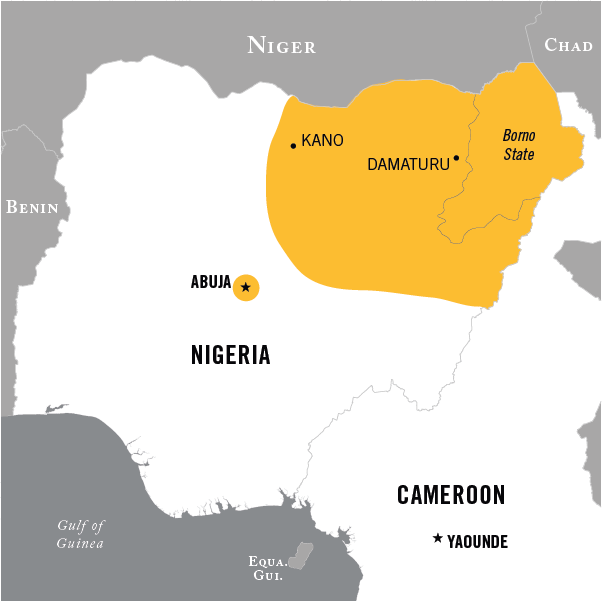
For more than a decade, the Boko Haram insurgency has remained one of Africa’s most devastating and complex security crises. While military operations, casualty figures, and territorial battles often dominate headlines, the everyday experiences of millions of civilians caught in the conflict are rarely seen by the wider world.
A recent documentary investigation offers a rare and unfiltered glimpse into communities living at the center of the crisis in northeastern Nigeria, revealing the harsh realities faced by displaced families, survivors of violence, and communities struggling to rebuild after years of instability.
A Conflict That Changed an Entire Region
Since its emergence in the early 2000s, Boko Haram has transformed large portions of northeastern Nigeria into a battleground. The insurgency has spread across borders into neighboring countries, including Chad, Niger, and Cameroon, creating a regional security challenge that continues to affect millions.
Entire towns have been attacked or abandoned, schools have been destroyed, farms left uncultivated, and local economies disrupted. According to humanitarian organizations, millions of people have been displaced throughout the conflict, forcing families to seek safety in camps and temporary settlements.
For many residents of Borno State and surrounding areas, displacement has become a way of life rather than a temporary emergency.
Life Inside Displacement Camps
The documentary takes viewers deep into areas heavily affected by the insurgency, documenting conditions inside and around camps connected to the crisis.
Families living in these settlements face daily challenges that extend far beyond security concerns. Access to food, clean water, healthcare, education, and employment remains limited for many residents.
Makeshift shelters often house large families, while humanitarian agencies and local authorities struggle to provide adequate resources. Children who have spent much of their lives in displacement camps have grown up knowing little else besides conflict and uncertainty.
For parents, survival is often a daily calculation involving food supplies, access to medical care, and hopes for a future beyond the camps.
Communities Left Behind
Beyond the camps themselves, the investigation explores abandoned communities that once served as thriving towns and villages.
Many of these areas bear the scars of years of conflict. Empty homes, damaged infrastructure, and deserted marketplaces stand as reminders of lives interrupted by violence.
Some residents have begun returning to their communities under military protection, attempting to restart businesses and rebuild homes. Yet the process remains slow and difficult. Infrastructure must be restored, schools reopened, and confidence rebuilt before communities can fully recover.
The psychological impact of the conflict also remains significant. Many survivors continue to cope with trauma resulting from displacement, loss of family members, and years of insecurity.
Military Presence and Security Challenges
The documentary also highlights military-controlled zones where Nigerian security forces continue operations against insurgent groups.
Despite significant military successes over the years, security challenges remain. Boko Haram and splinter factions continue to launch attacks in remote areas, posing ongoing risks to civilians and security personnel alike.
The presence of security forces provides protection for many communities, but rebuilding trust and stability requires more than military operations alone. Long-term recovery depends on economic development, education, infrastructure investment, and community reconciliation.
Stories of Resilience
Perhaps the most powerful aspect of the investigation is its focus on the resilience of ordinary people.
Despite losing homes, businesses, and loved ones, many residents continue to work toward rebuilding their lives. Community leaders organize local initiatives, parents prioritize education for their children, and small business owners attempt to revive economic activity even under difficult circumstances.
These stories challenge the common perception of conflict zones as places defined solely by violence. Instead, they reveal communities determined to preserve their dignity and hope despite years of hardship.
Looking Beyond the Headlines
The Boko Haram insurgency is often discussed through statistics and security reports, but behind every number is a human story.
The documentary serves as a reminder that the conflict’s impact extends far beyond military engagements. It affects families, communities, and future generations whose lives have been shaped by displacement and uncertainty.
As Nigeria and its regional partners continue efforts to combat insurgent violence, the experiences of those living in the affected areas remain central to understanding the true cost of the conflict.
For millions across northeastern Nigeria, the struggle is no longer simply about survival—it is about rebuilding lives, restoring communities, and creating a future beyond war.
Leave a Reply