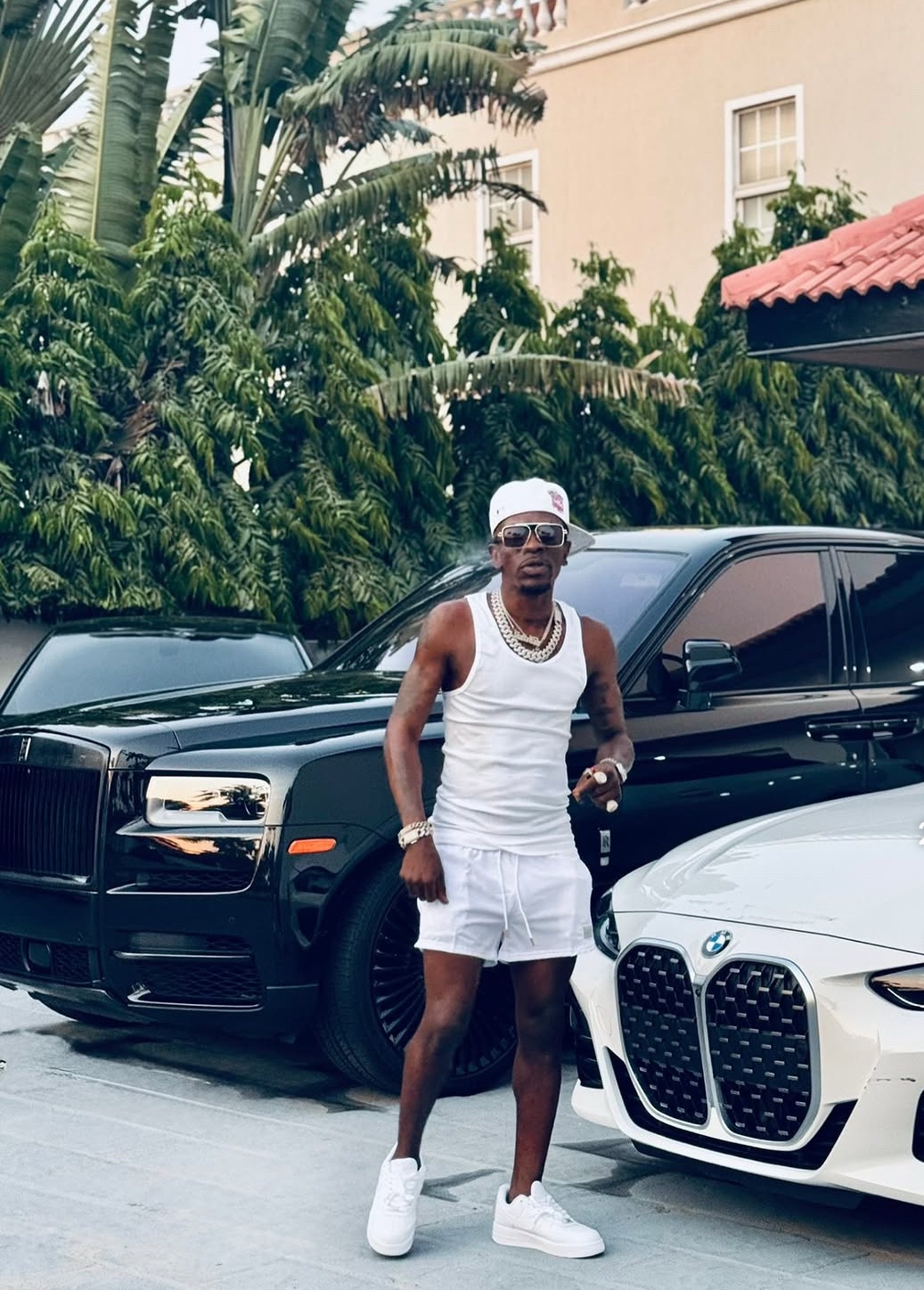
Ghanaian dancehall superstar Shatta Wale has once again ignited discussion across the African entertainment industry after claiming that he routinely turns down overseas performance offers worth as much as $300,000 because local promoters in Ghana are willing to match or exceed those figures.
The outspoken artist made the remarks during a recent interview, arguing that his commercial value within Ghana remains exceptionally strong and that domestic event organizers understand the financial impact his appearances bring to concerts, festivals, and brand activations.
According to Shatta Wale, his decision to prioritize performances in Ghana is based on demand from local promoters and the loyalty of his fan base, commonly known as the “Shatta Movement.” The artist suggested that performing at home often makes more financial sense than traveling abroad for shows, especially when Ghanaian organizers are prepared to offer competitive compensation packages.
Fans Point to ShattaFest Success
Supporters of the award-winning performer were quick to defend his comments, citing the consistent success of major events such as ShattaFest. Over the years, ShattaFest has attracted thousands of fans and featured performances from local and international acts, reinforcing Shatta Wale’s reputation as one of Ghana’s most influential live performers.
Many fans argue that few artists in Ghana can command the same level of audience engagement and ticket sales. They point to sold-out venues, extensive media coverage, and his dominance on social media platforms as evidence that his market value remains among the highest in the country.
Industry observers also note that Shatta Wale has built a powerful personal brand over the past decade, extending beyond music into endorsements, entrepreneurship, and digital influence. This broader commercial appeal may allow him to negotiate fees that exceed what many artists typically receive for local performances.
Skepticism From Critics
Despite the support from his fan base, critics have questioned whether local promoters can consistently afford performance fees approaching $300,000 in Ghana’s current economic environment.
Ghana, like many African nations, has faced inflationary pressures, currency fluctuations, and rising operational costs in recent years. Event organizers have increasingly had to balance artist fees with venue expenses, security, marketing, and production budgets.
Skeptics argue that while Shatta Wale remains one of Ghana’s biggest stars, the economics of the local entertainment market may not support such figures on a regular basis. Some industry analysts suggest that high-profile artists occasionally receive exceptional payments for special events, but these deals may not reflect standard market rates.
Comparisons With Nigeria’s Music Giants
The debate has also drawn comparisons with Nigeria’s globally recognized music industry. Critics have noted that some of Nigeria’s largest Afrobeats stars often perform domestically for fees that, while substantial, may not always reach the levels being discussed by Shatta Wale.
Artists such as Wizkid, Davido, and Burna Boy generate significant international revenue through touring, streaming, endorsements, and festival appearances. As a result, some observers believe comparisons between domestic and international performance fees can be difficult to evaluate without access to confidential booking agreements.
Others argue that each market operates under unique conditions and that artist compensation often depends on factors such as sponsorship backing, audience size, event scale, and brand partnerships.
The Business of African Stardom
Whether Shatta Wale’s reported valuation is entirely accurate or partially promotional, the controversy highlights a broader trend within Africa’s entertainment economy: top-tier artists are increasingly positioning themselves as premium brands rather than simply performers.
As African music continues to gain global recognition, artists are becoming more vocal about their worth and more selective about the opportunities they accept. In this environment, public discussions about performance fees, appearance costs, and artist valuation are likely to become increasingly common.
For now, Shatta Wale’s comments have succeeded in generating exactly what many entertainment personalities seek—attention, debate, and renewed focus on his position within Africa’s evolving music landscape.
Leave a Reply