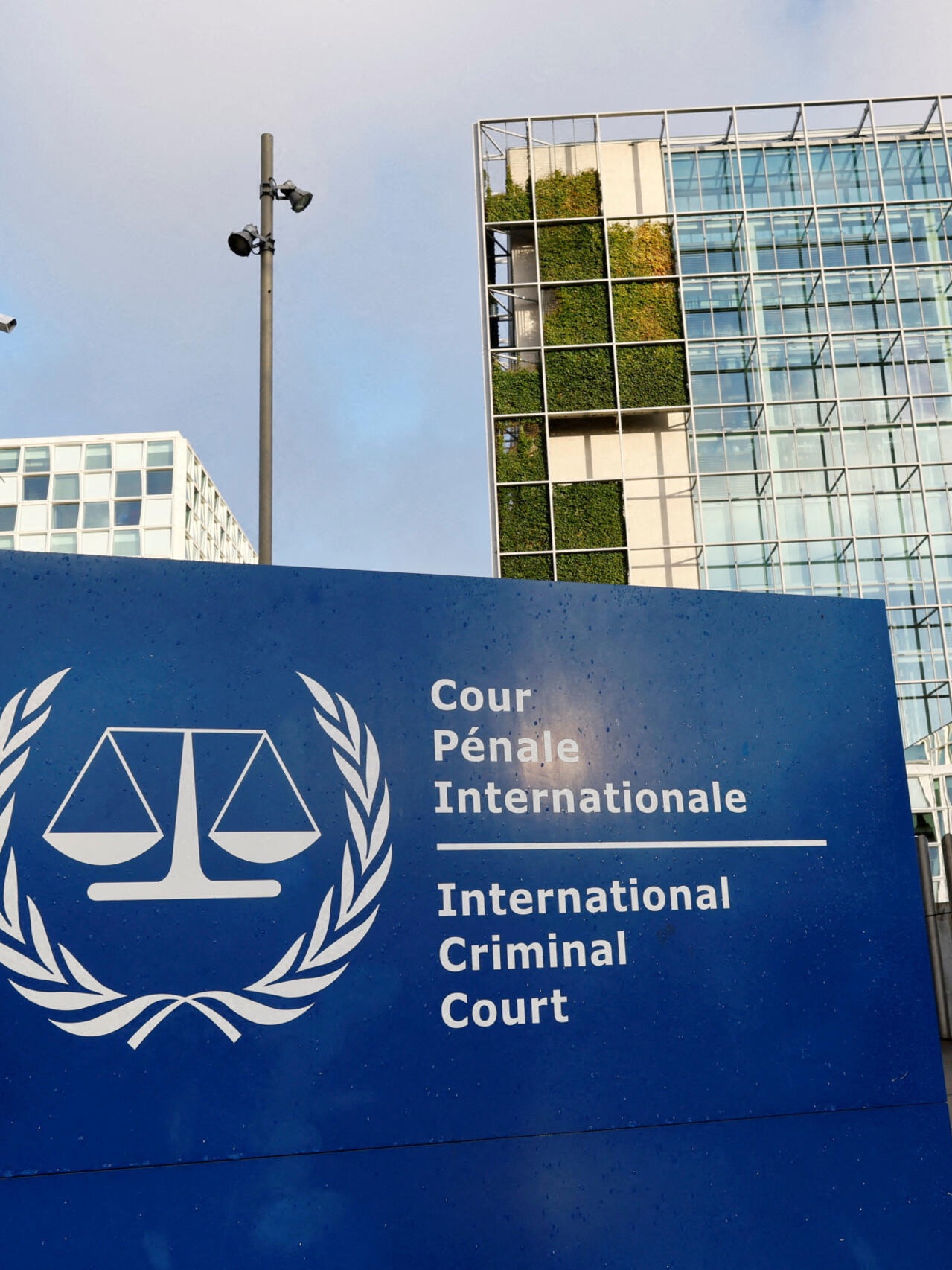
Niger has officially begun the process of withdrawing from the International Criminal Court (ICC), marking a significant geopolitical and legal shift in West Africa and raising urgent questions about the future of global accountability mechanisms.
According to the ICC, the military-led government in Niamey submitted its formal “instrument of withdrawal” on June 18, 2026, initiating a process that will take effect on June 18, 2027, in accordance with the Rome Statute rules governing membership exit procedures.
This move places Niger alongside its regional allies Burkina Faso and Mali, who have also announced their intention to leave the court, collectively framing the ICC as an institution of “selective justice” and “neo-colonial interference.”
A Shift Away From Global Judicial Oversight
The ICC was created to prosecute genocide, war crimes, and crimes against humanity when national courts are unwilling or unable to do so. Niger’s withdrawal signals a broader rejection of external judicial authority by several Sahelian military governments that have emerged following a wave of coups between 2020 and 2023.
Officials in Niger and its allies argue that the ICC disproportionately targets weaker states while ignoring abuses by global powers. The ICC, however, has consistently maintained that its mandate is universal and based on jurisdictional consent under international law.
Even after withdrawal takes effect, the ICC retains jurisdiction over crimes committed while Niger was still a member.
What This Means for the “International Persecution Watch List”
While the ICC does not publish a formal “persecution watch list,” it operates through:
- Preliminary examinations of conflict zones
- Active investigations into war crimes
- Arrest warrants for individuals accused of international crimes
Niger’s withdrawal has several implications for this global accountability system:
1. Reduced Direct ICC Oversight
Once withdrawal is complete, Niger will no longer be obligated to cooperate with new ICC investigations. This limits the court’s ability to collect evidence or execute arrests on Nigerien territory unless enforced through external pressure.
2. Increased Reliance on Political Enforcement
Without ICC jurisdictional cooperation, enforcement of international justice becomes dependent on:
- UN Security Council action
- Regional African Union mechanisms
- Bilateral diplomatic pressure
This weakens the practical enforcement capacity of international justice institutions.
3. Expansion of “Unmonitored Zones”
Human rights organizations warn that the Sahel could become a region where:
- Allegations of war crimes are harder to prosecute internationally
- Armed groups and state actors operate with reduced external scrutiny
- Victims have fewer legal pathways to justice
This creates what analysts often describe as “accountability blind spots” in global justice mapping systems.
Regional Context: The Sahel Bloc’s Break From Western Institutions
Niger’s decision is not isolated. Alongside Mali and Burkina Faso, the country is part of a new geopolitical alignment that has:
- Distanced itself from ECOWAS
- Reduced cooperation with Western military partners
- Strengthened ties with alternative global powers such as Russia
These states argue that their sovereignty is undermined by international institutions they view as historically Western-dominated.
Human Rights and Accountability Concerns
Human rights organizations have raised concerns that withdrawal could weaken protections for civilians in a region already facing:
- Armed insurgencies linked to jihadist groups
- Allegations of extrajudicial killings by state forces
- Mass displacement crises across the Sahel
Groups such as Human Rights Watch warn that leaving the ICC may “deprive victims of a critical avenue for justice when national systems are unable or unwilling to prosecute grave crimes.”
What Happens Next
Niger remains legally bound by ICC obligations until 2027, meaning:
- Existing investigations remain valid
- Crimes committed before withdrawal can still be prosecuted
- Cooperation requests issued before that date still apply
However, long-term enforcement after withdrawal becomes significantly more complex.
Conclusion: A Turning Point for International Justice
Niger’s withdrawal from the ICC reflects a broader struggle between state sovereignty and global accountability. While framed domestically as a reclamation of independence, it raises serious concerns about the erosion of international justice frameworks in one of the world’s most unstable regions.
For Africa’s Sahel corridor, the decision may redefine how war crimes are investigated, prosecuted, and remembered — and whether victims of conflict will still have access to a global courtroom at all.
Leave a Reply