






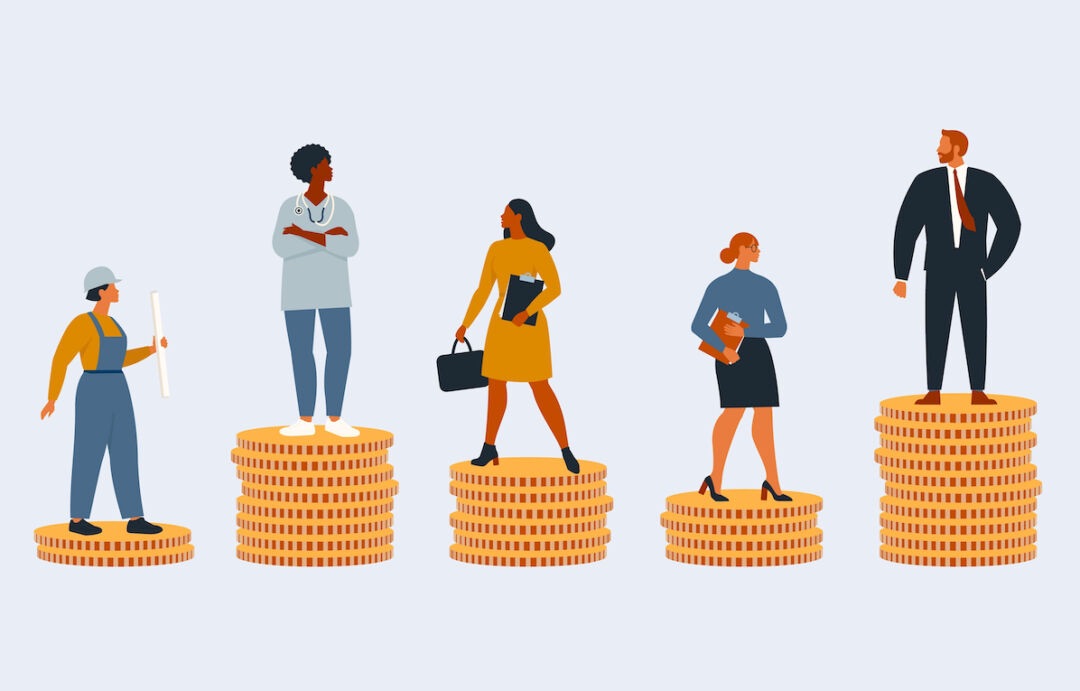
The gap between the world’s richest and poorest citizens has reached one of the highest levels in modern history, raising concerns about economic stability, social mobility, and long-term development across Africa and beyond.
While global economies have recovered unevenly from recent financial crises, inflation, and the COVID-19 pandemic, wealth has increasingly become concentrated among a small percentage of individuals and corporations. Meanwhile, millions of people continue to struggle with rising food prices, housing costs, unemployment, and stagnant wages.
Across Africa, the effects of income inequality are particularly visible. Despite impressive economic growth in several countries, the benefits have not been distributed evenly. Urban centers continue to attract investment and create wealth, while many rural communities remain underserved, lacking access to quality healthcare, education, and infrastructure.
Economic analysts argue that the disparity between income and wealth is becoming a defining challenge of the 21st century. Income refers to the money earned through wages, salaries, or business activities, while wealth includes accumulated assets such as land, property, investments, and savings. Wealth inequality is often more severe because assets generate additional income over time, allowing those who already possess wealth to increase it at a faster rate than those relying solely on wages.
Young Africans face particular challenges as high youth unemployment and underemployment continue to limit opportunities for financial independence. At the same time, the rapid adoption of digital technologies, entrepreneurship, and innovation offers hope that new industries can help create more inclusive economic growth.
Experts say governments can narrow the gap by investing in education, expanding access to healthcare, supporting small and medium-sized enterprises, strengthening tax systems, and creating policies that encourage job creation while protecting vulnerable populations.
International organizations have also called for greater cooperation to address tax avoidance, improve financial transparency, and ensure that economic growth benefits broader society rather than a privileged few.
Although the scale of inequality remains significant, many economists believe targeted reforms, responsible governance, and sustained investment in human capital can help create a more equitable future for Africa and the world.
As African nations continue to pursue economic transformation through regional integration and industrialization, ensuring that prosperity is shared widely will remain one of the continent’s greatest challenges—and opportunities.


