






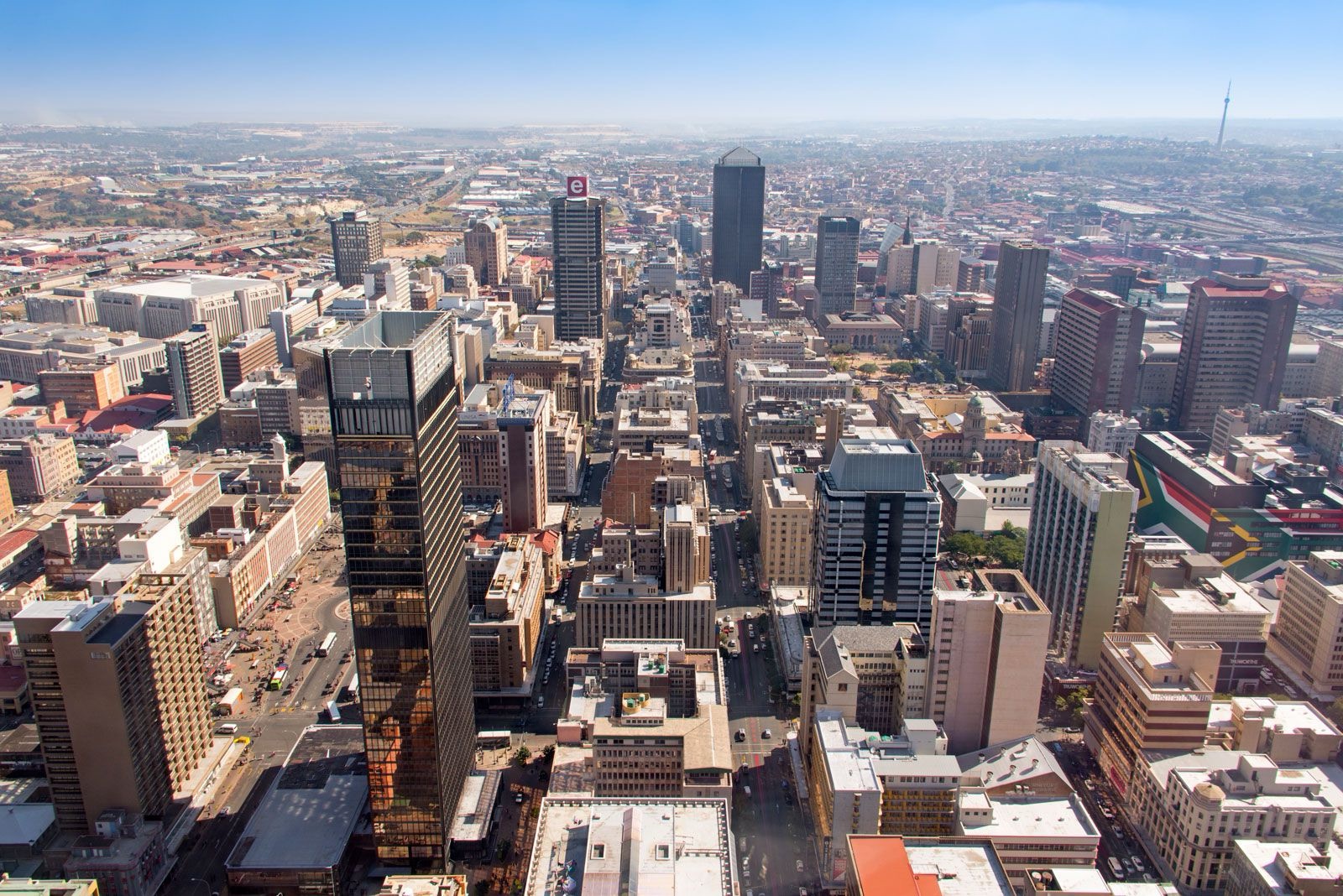
Johannesburg, South Africa — Often referred to as Africa’s economic powerhouse, Johannesburg has long been a symbol of opportunity, innovation, and investment. Home to the continent’s largest stock exchange, major multinational companies, and millions of residents, the city has been a driving force behind South Africa’s economy for decades.
Today, however, Johannesburg is facing one of the most serious urban crises in its history. Residents and businesses are grappling with deteriorating roads, unreliable water supplies, electricity disruptions, waste collection problems, and aging infrastructure. Many analysts warn that unless urgent reforms are implemented, the city’s financial and service-delivery challenges could deepen further.
Why Is Johannesburg in Financial Trouble?
Johannesburg’s difficulties stem from a combination of long-term structural and governance issues rather than a single event.
Among the major challenges are:
- Aging infrastructure that has not been adequately maintained or upgraded.
- Financial pressure on municipal entities responsible for electricity, water, roads, and waste management.
- High unemployment and slow economic growth, reducing the city’s revenue base.
- Billions of rand in unpaid municipal bills owed by businesses, residents, and government departments.
- Allegations of corruption, procurement irregularities, and poor financial management over many years.
- Political instability, with frequent changes in municipal leadership making long-term planning more difficult.
These factors have strained the city’s finances and affected its ability to provide reliable public services.
What Does This Mean for Residents?
For ordinary citizens, the consequences are increasingly visible.
Many communities experience burst water pipes, potholes, malfunctioning traffic lights, illegal dumping, and delays in repairing public infrastructure. Businesses also face rising operating costs due to unreliable services, while investors have expressed concern about declining municipal performance.
As Africa’s financial hub, Johannesburg’s health is closely tied to investor confidence in South Africa as a whole.
What Solutions Are Available?
Experts argue that Johannesburg’s recovery is possible but will require sustained political commitment and effective management.
Key recommendations include:
- Strengthening financial oversight and improving municipal governance.
- Investing in the maintenance and modernization of aging infrastructure.
- Recovering outstanding municipal revenue while improving billing systems.
- Taking stronger action against corruption and financial mismanagement.
- Expanding partnerships with the private sector to improve service delivery.
- Using technology and data to improve urban planning and infrastructure management.
- Creating a stable political environment that allows long-term development strategies to succeed.
Many urban economists believe that restoring public confidence will depend not only on securing funding but also on demonstrating transparency and accountability.
A Wake-Up Call for Africa
Johannesburg’s challenges extend beyond South Africa. Across the continent, many rapidly growing cities face similar pressures, including population growth, aging infrastructure, housing shortages, climate risks, and limited municipal resources.
Urban experts say African cities must invest in sustainable infrastructure, strengthen local governance, improve revenue collection, and plan for long-term growth if they are to remain competitive in the global economy.
As Africa continues to urbanize faster than any other region in the world, the experience of Johannesburg offers an important lesson: economic success alone does not guarantee resilient cities. Without effective governance, sound financial management, and continuous investment in public infrastructure, even the continent’s most prosperous urban centers can face serious decline.
For many observers, Johannesburg remains one of Africa’s greatest economic assets. The challenge now is ensuring that it regains the stability, efficiency, and investor confidence needed to secure its future—and to continue serving as an engine of growth for South Africa and the continent as a whole.


