
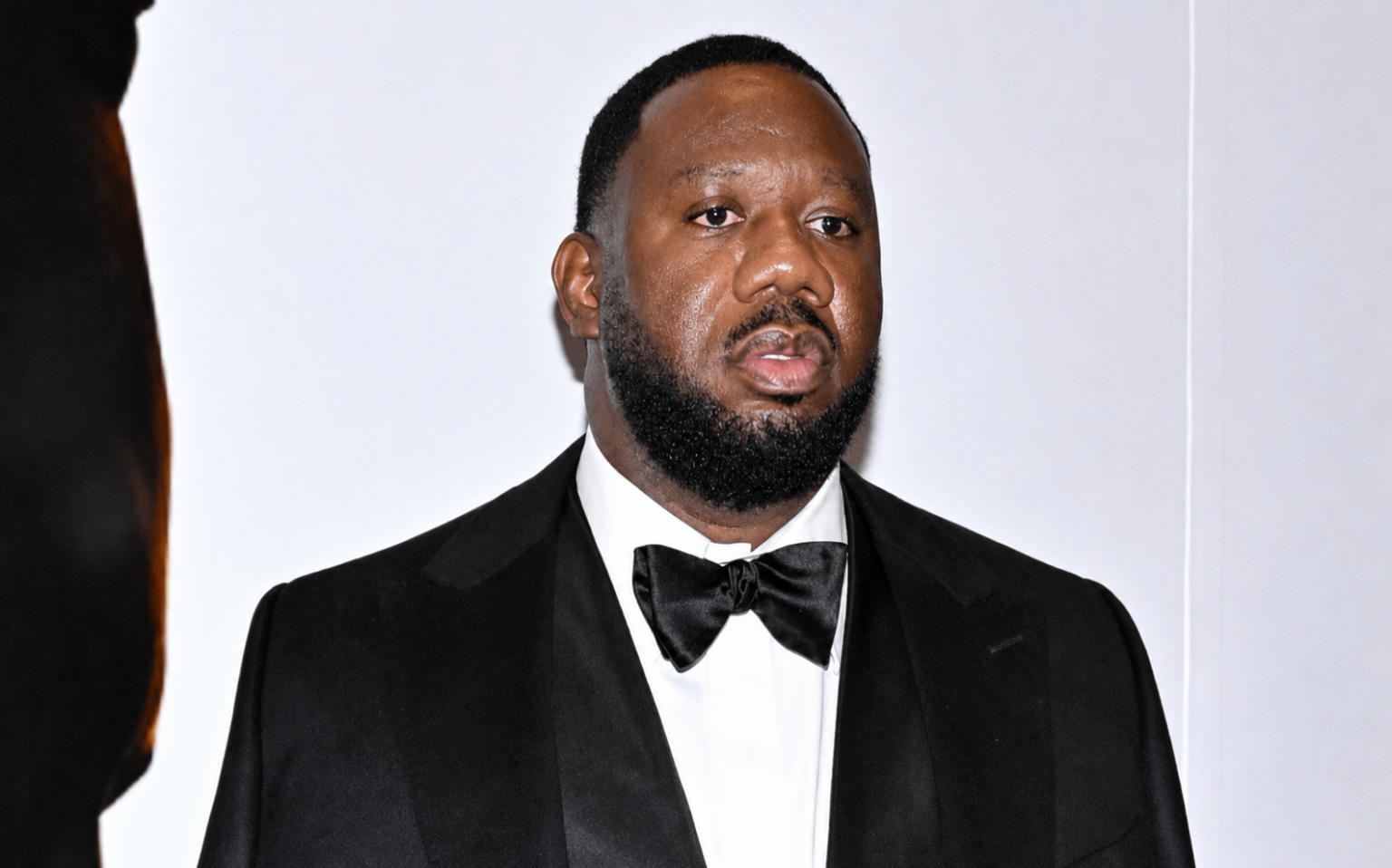
ATLANTA — The hip-hop community is rallying around Pierre “P” Thomas, the influential co-founder and CEO of Quality Control Music, following reports that the veteran music executive suffered a heart attack and was hospitalized in Las Vegas.
Quality Control Music confirmed on August 21 that Thomas is alive and receiving medical care, after false reports about his death circulated on social media. The company asked supporters to keep Thomas and his family in their thoughts and prayers while respecting their privacy. (aol.com)
Reports from TMZ said Thomas was being treated in intensive care following the reported heart attack. A subsequent report on August 24 said his condition was improving, although the label has not publicly released detailed medical information. (tmz.com)
Building a Black-Owned Music Powerhouse
Thomas co-founded Quality Control Music with Kevin “Coach K” Lee in Atlanta in 2013. From its early days, the company pursued a model that combined artist development, management, publishing and music production.
The label helped transform relatively unknown artists into some of the biggest names in contemporary hip-hop, including Migos, Lil Baby, Lil Yachty and City Girls. (qualitycontrolmusic.com)
Quality Control’s rise became particularly significant because Thomas and Lee demonstrated that a Black-owned independent music company could develop talent, build intellectual property and negotiate on a global scale.
The company eventually expanded beyond recorded music into management, sports, film and television. Quality Control also established a sports division whose clients have included professional athletes such as Alvin Kamara. (aol.com)
The Business Behind the Music
Quality Control’s story is bigger than individual hit records. Thomas and Lee built a vertically integrated entertainment operation designed to retain value around the artists they developed.
The company’s official history says the founders initially invested approximately $1 million and a year into establishing a West Atlanta headquarters featuring offices and four recording studios. Quality Control also adopted data-driven methods to identify where its artists were gaining popularity. (qualitycontrolmusic.com)
That approach helped Quality Control become an important example of Black entrepreneurship in the modern entertainment economy.
In 2023, Quality Control entered a major global partnership with HYBE America. Contemporary reports put the value of the transaction at roughly $300 million to $320 million, underscoring the financial scale the company had achieved over its first decade. (xxlmag.com)
Quality Control and the Pan-African Music Economy
Quality Control’s influence also extends into the increasingly interconnected African and African-diaspora music economy.
Hip-hop, Afrobeats, Amapiano, R&B and other Black musical traditions now operate within a global marketplace in which artists from Atlanta, Lagos, Accra, Johannesburg, London, Abidjan and other cultural centers collaborate, tour and build audiences across borders.
One particularly notable connection is British-Nigerian artist Stefflon Don, who has appeared in Quality Control’s wider artist ecosystem. Her career illustrates the increasingly blurred boundaries between American hip-hop, Britain’s Black music scene and African musical identity. (musictimes.com)
The broader business opportunity is substantial. African music markets are becoming increasingly important to global streaming platforms, record labels, promoters, fashion companies and entertainment investors.
For African entrepreneurs, the Quality Control model offers an important lesson: owning the infrastructure around culture can be as important as creating the culture itself.
From Atlanta to Accra, Lagos and Johannesburg
The African music business is developing its own versions of the Quality Control model.
In Nigeria, Ghana and South Africa, independent labels and artist-management companies are increasingly combining recording, publishing, live entertainment, brand partnerships and digital distribution.
Lagos has become one of the world’s most important Afrobeats centers, while Accra has developed into a major hub connecting Ghanaian music with the global African diaspora. Johannesburg and Pretoria remain critical centers for Amapiano and South African popular culture.
These markets represent more than opportunities to sell music. They are becoming destinations for concerts, festivals, fashion collaborations, streaming audiences, advertising campaigns and entertainment investment.
The lesson from Quality Control is particularly relevant for African-owned companies: develop talent, build intellectual property, control distribution where possible and create multiple businesses around the cultural assets you own.
A Legacy Larger Than Hit Records
Quality Control’s catalogue includes some of the defining records and artists of the modern hip-hop era. Migos’ rise, Lil Baby’s emergence and the success of City Girls and other artists helped establish the company as one of the most recognizable Black-owned entertainment brands of its generation.
But Thomas’ legacy may ultimately be measured by the business structure he helped create.
Quality Control demonstrated that artist development could become the foundation for a broader entertainment company encompassing music, management, sports and visual media.
That model has relevance throughout Africa, where a new generation of entrepreneurs is looking beyond simply exporting music toward building locally owned entertainment ecosystems.
The Hip-Hop Community Watches and Waits
For now, attention remains focused on Thomas’ recovery.
Quality Control has asked the public to give Thomas and his family privacy while expressing appreciation for the prayers and support that have followed the news.
As one of the executives who helped reshape the business side of modern hip-hop, Thomas’ influence reaches far beyond Atlanta. His story is also part of a much larger story about Black ownership, cultural entrepreneurship and the globalization of African and African-diaspora culture.
For fans, artists and entrepreneurs across Africa and the diaspora, the immediate message is simple: keep Pierre “P” Thomas and his family in your thoughts and prayers as he continues his recovery.
Pan-African Business Perspective
Thomas’ career provides an important case study for African entertainment entrepreneurs: culture can become an economic engine when creators and business leaders build ownership around talent, intellectual property, distribution, management and global partnerships.
As African music continues moving from regional success to global influence, the next generation of African entertainment companies may build on this model—creating businesses that are not merely participants in the international music industry, but major owners of the infrastructure powering it.
Leave a Reply