
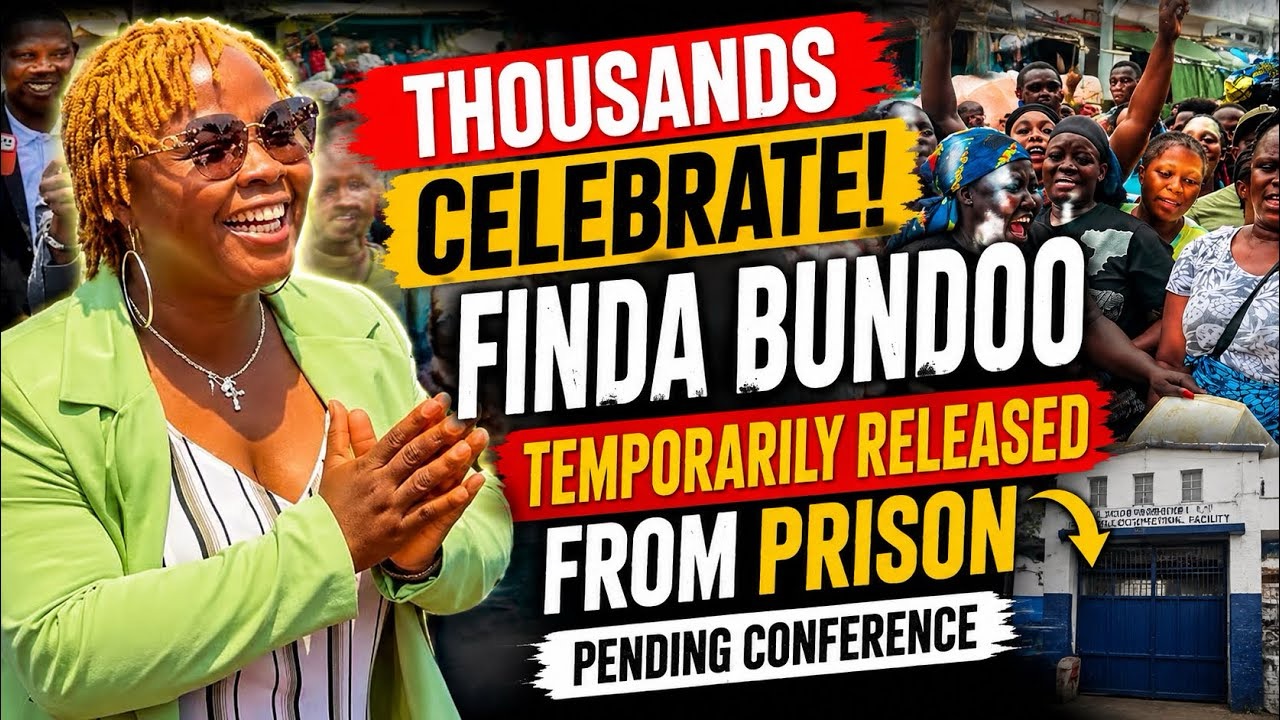
Monrovia, Liberia – Former Executive Mansion Chief of Protocol Nora Finda Bundoo has been released from the Monrovia Central Prison after meeting the legal conditions set by the court for her temporary freedom pending trial. Her release marks another significant chapter in one of Liberia’s most closely watched corruption cases, a prosecution that has drawn intense political debate between the ruling Unity Party (UP) administration and supporters of former President George Weah’s Congress for Democratic Change (CDC). (Smart News Liberia)
Why Was Finda Bundoo in Jail?
Bundoo, who served as Chief of Protocol during former President George Weah’s administration, was remanded to the Monrovia Central Prison after Criminal Court “C” rejected her criminal appearance bond.

Judge Ousman Feika ruled that the bond submitted by her legal team failed to satisfy Liberia’s legal requirements, particularly regarding the value and qualification of the sureties pledged to guarantee her appearance in court. As a result, the court ordered her immediate detention until an acceptable bond was filed. (THE LIBERIAN INVESTIGATOR)
She is among dozens of defendants indicted in a major anti-corruption investigation involving allegations that more than US$6.7 million and over L$845 million in public funds were fraudulently diverted through private companies between 2020 and 2023.
The charges against Bundoo include:
- Money laundering
- Theft of property
- Misuse of public money
- Criminal conspiracy
- Criminal facilitation
- Other related economic crimes

Bundoo has denied all allegations and, under Liberian law, remains presumed innocent unless proven guilty in court. (THE LIBERIAN INVESTIGATOR)
Her Release
Following her detention, Bundoo’s lawyers worked to satisfy the court’s bond requirements. After an acceptable criminal appearance bond was approved, she was released pending trial.

Her release does not end the criminal case. Instead, it allows her to remain free while court proceedings continue, provided she complies with all judicial conditions. (Smart News Liberia)
Political Reactions
Bundoo’s arrest and subsequent release have generated strong political reactions across Liberia.
Supporters of the CDC argue that the prosecution is politically motivated and forms part of a broader campaign targeting officials who served under former President George Weah. They contend that anti-corruption efforts must not become instruments for political revenge.
On the other hand, the Boakai administration and anti-corruption advocates maintain that no former official should be above the law and that accountability for the alleged misuse of public funds is essential to restoring confidence in public institutions.
These competing narratives have intensified political tensions ahead of future electoral contests.
What It Means for the CDC
Although the criminal proceedings involve Bundoo personally, the case inevitably affects the image of the Congress for Democratic Change.
Potential implications include:
- Continued public scrutiny of officials who served in the Weah administration.
- Renewed debates over corruption and public accountability.
- Increased pressure on CDC leaders to defend the party’s governance record.
- A possible rallying effect among CDC supporters who view the prosecution as selective or politically driven.
Whether the case ultimately damages or strengthens the CDC politically will likely depend on the evidence presented during the trial and the public’s perception of the fairness of the judicial process.
Implications for Liberia’s Electoral Credibility
The handling of high-profile corruption cases such as Bundoo’s will influence domestic and international perceptions of Liberia’s democratic institutions.
If the courts conduct the proceedings transparently, impartially and according to the rule of law, the case could strengthen public confidence that no public official is beyond accountability.
Conversely, if judicial decisions are widely perceived as politically influenced or selectively enforced, critics may argue that such prosecutions undermine confidence in democratic governance and electoral competition.
Election observers typically evaluate not only the conduct of voting but also the broader political environment, including judicial independence, equal treatment before the law and respect for due process. How these principles are upheld in prominent cases can shape perceptions of Liberia’s democratic credibility.
Looking Ahead
The criminal case against Nora Finda Bundoo is far from over. Prosecutors must still present evidence supporting the allegations, while the defense will have the opportunity to challenge that evidence before the court.
For now, Bundoo’s release represents a procedural development rather than a determination of guilt or innocence. The final outcome will depend on the evidence tested through Liberia’s judicial process.
As Liberia continues to pursue anti-corruption reforms while preparing for future elections, the Bundoo case is expected to remain a closely watched test of the country’s commitment to the rule of law, judicial independence and democratic accountability.