
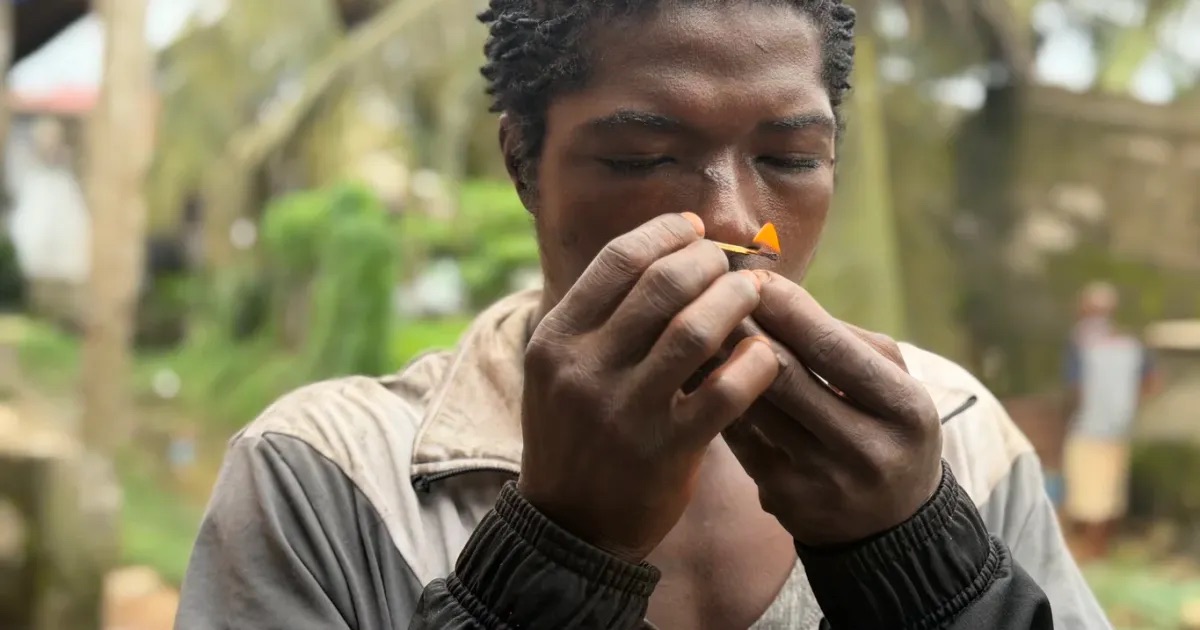
Monrovia, Liberia – A growing public health crisis is unfolding in Liberia as kush, a cheap and highly addictive synthetic street drug that first gained notoriety in neighbouring Sierra Leone, continues to spread across the country. The drug’s rapid rise has alarmed families, health professionals, and law enforcement agencies, with many fearing it could become one of West Africa’s most devastating drug epidemics.
Originally reported in Sierra Leone, where the substance has been linked to widespread addiction and social instability, kush has now established a troubling presence in Liberia. The drug is widely available, inexpensive, and highly potent, making it particularly attractive to vulnerable young people facing unemployment, poverty, and limited access to education or mental health services.
Across communities in Monrovia and other parts of Liberia, parents say they have watched helplessly as their children become trapped in addiction. Many describe dramatic changes in behaviour, including withdrawal from family life, erratic actions, declining physical health, and involvement in crime to sustain their dependence on the drug.

Health experts warn that the synthetic composition of kush makes it especially dangerous. Unlike traditional narcotics, its ingredients often vary, with manufacturers reportedly mixing unknown chemicals that can produce severe psychological and physical effects. Users have been reported to experience hallucinations, aggression, confusion, respiratory problems, and, in some cases, fatal overdoses.
The spread of kush has placed additional pressure on Liberia’s already stretched healthcare and rehabilitation systems. Treatment centres remain limited, and many families struggle to find affordable care for loved ones battling addiction. Community organisations and religious groups have stepped in to provide counselling and awareness campaigns, but they acknowledge that local efforts alone are insufficient to address the scale of the crisis.
Authorities have intensified operations targeting street-level dealers and users, conducting raids and making arrests in several communities. However, many Liberians argue that enforcement efforts must go beyond these measures. Parents, civil society organisations, and anti-drug advocates are calling on the government to dismantle the criminal networks responsible for importing and distributing the drug.
“There is little point in arresting young addicts if the people bringing these dangerous substances into our country continue to operate,” one community advocate said during a recent awareness campaign. “The supply chain must be disrupted if we are serious about ending this crisis.”
Security analysts also believe stronger regional cooperation will be essential. Since kush has spread across national borders, governments in West Africa are being urged to strengthen intelligence sharing, improve border security, and coordinate efforts against organised trafficking networks operating throughout the region.
The crisis has also reignited discussions about youth unemployment and social inequality. Experts argue that addressing the underlying economic and social conditions that leave young people vulnerable to substance abuse will be just as important as law enforcement. Investments in education, vocational training, mental health services, and employment opportunities are seen as critical components of any long-term solution.
As Liberia confronts the growing threat of kush, families continue to appeal for urgent government action. Many believe that protecting the country’s youth will require a comprehensive strategy—one that combines prevention, treatment, public education, stronger border controls, and decisive action against those profiting from the illicit drug trade.
With the drug continuing to spread across communities, the coming months are likely to test Liberia’s ability to contain a crisis that has already had devastating consequences in neighbouring Sierra Leone. For many families, the hope is that swift intervention can prevent another generation of young people from being lost to addiction.
