


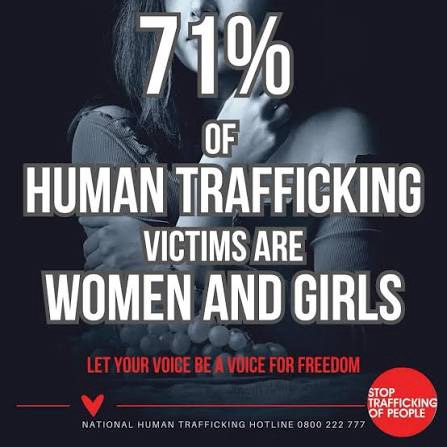
Dubai is widely known for its luxury hotels, booming economy, and opportunities for employment. Millions of people migrate to the United Arab Emirates (UAE) every year in search of better lives. However, alongside these opportunities, international organizations, governments, and human rights groups continue to document cases of human trafficking, forced labor, and sexual exploitation occurring within the UAE, including Dubai. It is important to recognize that these crimes are committed by criminal networks and exploitative individuals—not by society as a whole—and that UAE authorities have laws and specialized units dedicated to combating trafficking.
What Is Human Trafficking?
Human trafficking involves recruiting, transporting, or harboring people through deception, fraud, coercion, threats, or force for the purpose of exploitation. Exploitation can include:
- Forced prostitution or sexual exploitation
- Forced labor
- Domestic servitude
- Debt bondage
- Organ trafficking
- Forced begging
Under UAE law, these practices are criminal offenses carrying severe penalties.
Who Is Most at Risk?
Victims are often people seeking economic opportunities abroad. International reports indicate that those at greatest risk include:
- Women recruited for hospitality, beauty, entertainment, or domestic work.
- Migrant workers from South Asia, Southeast Asia, East Africa, Central Asia, and parts of Eastern Europe.
- Individuals facing poverty, unemployment, or family financial pressures.
- Young adults responding to online advertisements promising high salaries.
- People traveling on tourist visas with promises that work permits will be arranged later.
Many victims willingly travel to Dubai believing they have legitimate employment waiting for them. The exploitation frequently begins only after arrival.
How Traffickers Recruit Victims
Traffickers commonly use deceptive tactics rather than outright kidnapping. Recruitment methods include:
- Fake job advertisements on social media.
- Fraudulent modeling or influencer opportunities.
- Promises of hotel, spa, restaurant, or housekeeping jobs.
- Offers from recruitment agents charging large placement fees.
- Invitations from acquaintances or distant relatives claiming to arrange employment overseas.
Victims often borrow money to finance travel, making them financially dependent on recruiters before they even arrive. Recent criminal investigations have documented networks using fake modeling agencies to lure women with promises of work in Dubai before subjecting them to exploitation.
How Victims Become Trapped
According to international trafficking reports, survivors commonly describe similar patterns of control:
- Passports and identity documents are confiscated.
- Employers or traffickers restrict movement.
- Victims are told they owe large “debts” for travel, visas, or accommodation.
- Phones are monitored or taken away.
- Threats are made against victims or their families.
- Victims are warned they will be arrested or deported if they seek help.
These methods make escape extremely difficult even when victims are physically able to leave a building.
Sexual Exploitation
Sex trafficking is one documented form of trafficking in the UAE. Victims may be deceived into believing they are accepting legitimate employment but are later coerced into commercial sexual exploitation.
Survivor accounts and law enforcement investigations describe patterns such as:
- Being pressured or threatened into seeing multiple paying clients.
- Having earnings taken by traffickers.
- Being transported between apartments, hotels, or entertainment venues under constant supervision.
- Experiencing violence, intimidation, or psychological abuse for refusing demands.
- Living in overcrowded accommodations with limited freedom.
These experiences vary from case to case, but coercion and the inability to leave are defining characteristics of trafficking.
Why Victims Often Do Not Escape
People often ask why victims do not simply leave. Experts identify several barriers:
- Fear of violence.
- Confiscated travel documents.
- Immigration concerns.
- Language barriers.
- Debt owed to traffickers.
- Lack of local support networks.
- Shame or fear of being blamed.
Traffickers deliberately exploit these vulnerabilities to maintain control.
The UAE’s Response
The UAE has enacted anti-trafficking legislation, established specialized police units, shelters, and victim assistance programs. The government reports increased identification of trafficking victims and prosecutions of offenders, although international monitoring reports continue to recommend improvements in victim identification and enforcement.
Conclusion
Human trafficking and sexual exploitation remain serious human rights issues affecting many countries, including the UAE. While Dubai offers genuine employment opportunities for millions of lawful workers, criminal trafficking networks exploit vulnerable individuals through deception, coercion, and abuse. Those most at risk are often migrants seeking better economic prospects, particularly women recruited with false promises of legitimate work. Combating trafficking requires stronger international cooperation, effective law enforcement, public awareness, protection for survivors, and careful scrutiny of overseas job offers before accepting them.