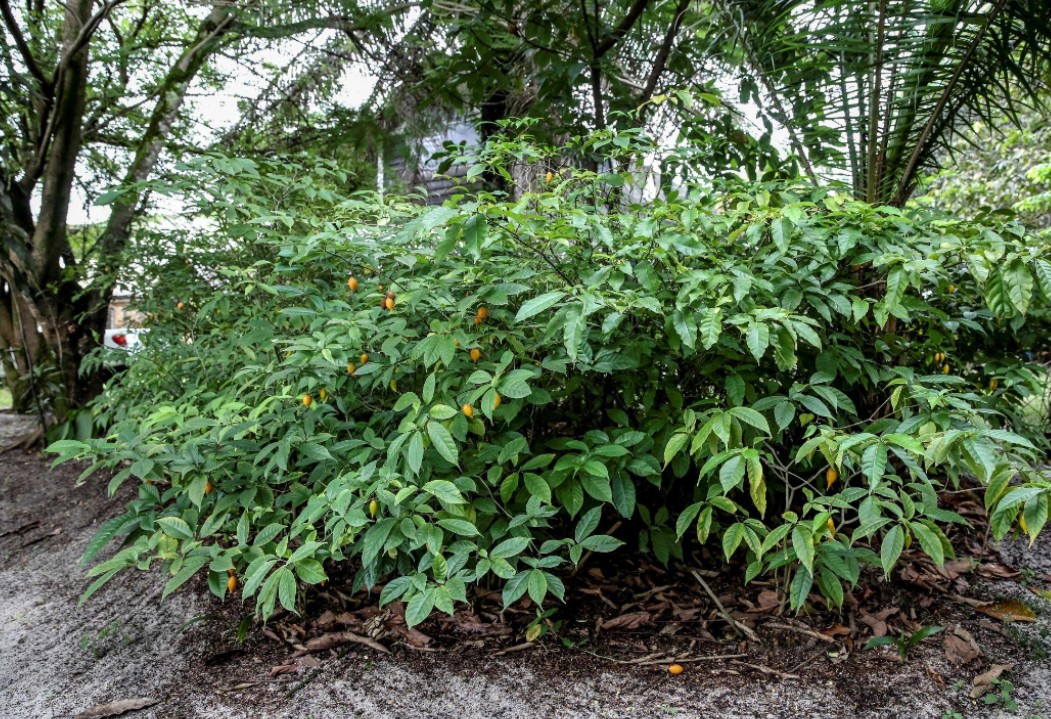
For centuries, the people of Gabon have revered iboga, a powerful rainforest shrub whose root bark plays a central role in the spiritual traditions of the Bwiti faith. Known scientifically as Tabernanthe iboga, iboga is considered by many practitioners to be a sacred teacher plant used during initiation ceremonies, healing rituals, and spiritual journeys.
What Is Iboga?
Iboga grows naturally in the rainforests of Gabon, parts of Cameroon, and Republic of the Congo. The root bark contains ibogaine, a psychoactive alkaloid that can produce intense visionary experiences lasting many hours.
Within the Bwiti tradition, iboga is not viewed as a recreational substance. Rather, it serves as a spiritual tool for self-discovery, ancestral communication, and personal transformation. Many initiates describe experiences involving vivid memories, symbolic visions, and profound introspection.
Why Is Trump Recognizing Ibogaine?
In April 2026, President Donald Trump signed an executive order directing federal agencies to accelerate research into psychedelic-assisted therapies, including ibogaine. The administration emphasized potential treatments for veterans suffering from PTSD, traumatic brain injury, depression, and addiction.
The executive order does not fully legalize ibogaine. Instead, it seeks to:
- Increase federal funding for psychedelic research.
- Accelerate FDA review processes.
- Expand clinical trials.
- Explore “Right to Try” pathways for certain patients.
- Support research focused on veterans and treatment-resistant mental health conditions.
The White House announced significant federal funding dedicated specifically to ibogaine research, citing reports from veterans who claimed substantial benefits after receiving treatment abroad.
The Gabon Connection

Some observers in Gabon have expressed concern that Western pharmaceutical companies could profit from a plant that originates in African traditional knowledge without adequately recognizing or compensating the communities that preserved its use. Discussions about biopiracy, intellectual property rights, and cultural preservation have become increasingly common as global interest in iboga grows.
For many Pan-African thinkers, the growing international focus on iboga represents a broader story: African indigenous knowledge systems gaining scientific attention after centuries of being overlooked.
Celebrities and Public Figures Associated with Ibogaine
While many celebrities are private about psychedelic experiences, several well-known figures have publicly discussed or been associated with ibogaine treatment:


- Joe Rogan has repeatedly discussed ibogaine on his podcast and supported research into its therapeutic potential. He was present during the signing ceremony for Trump’s executive order.
- Mike Tyson has spoken publicly about transformative psychedelic experiences, including discussions involving iboga and related plant medicines.
- Conor McGregor has been reported as praising ibogaine treatment for personal recovery and mental wellness.
- Former Rick Perry has become one of ibogaine’s most prominent political advocates after hearing veterans’ testimonies and supporting research initiatives.

An Afrotropical Perspective
From an Afrotropical spiritual perspective, iboga can be viewed as more than a medicinal plant. It represents a living archive of rainforest knowledge, ancestral memory, and initiation traditions preserved by generations of Central African peoples. The plant’s journey from Gabonese sacred ceremonies to American clinical research illustrates a remarkable exchange between indigenous wisdom and modern science.
Whether viewed as a medicine, a sacrament, or a subject of scientific inquiry, iboga remains one of Africa’s most influential botanical contributions to the global conversation on healing, consciousness, and mental health.
Note: Ibogaine can carry serious health risks, including potentially dangerous cardiac effects, and should not be used without qualified medical supervision. Researchers continue to study both its benefits and its risks.
Leave a Reply