
By Panafrican.email
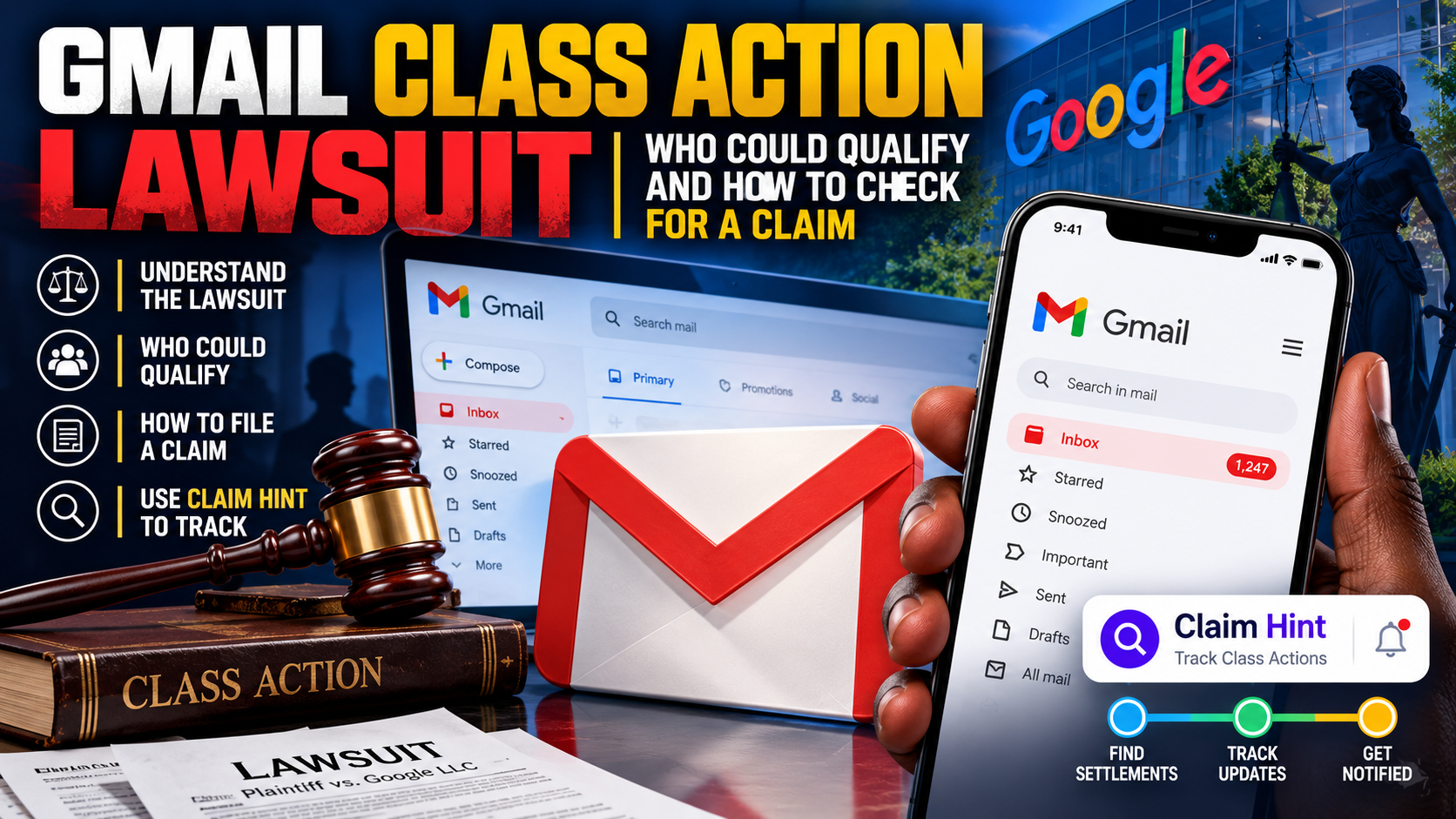
Reports circulating online about a “Gmail class action lawsuit” have attracted attention from Google users who want to know whether they are entitled to compensation.
But there is an important distinction between a class-action lawsuit and a class-action settlement.
A lawsuit does not automatically mean that consumers will receive money. In some cases, a court case may still be pending. In others, a settlement may provide changes to a company’s practices rather than cash payments.
What Is the Gmail Lawsuit About?
One of the current cases attracting attention involves allegations concerning Google’s use of artificial intelligence and Gmail-related data.
The lawsuit, known as Thele v. Google LLC, alleges that Google’s Gemini-related features could access or analyze private communications, including Gmail content, without adequate user consent.
These are allegations made by the plaintiffs. Google disputes the claims, and the court has not determined that Google violated the law.
The case is still being litigated.
That means there is currently no approved Gmail settlement from this case and no Gmail claim form that users can submit to receive a payment.
Don’t Confuse a Lawsuit With a Settlement
This is where many consumers become confused.
A class-action lawsuit can go through several stages:
- A lawsuit is filed.
- The court considers the claims.
- The case may be dismissed, amended or allowed to continue.
- A class may eventually be certified.
- The parties may negotiate a settlement.
- The court reviews and approves the settlement.
- Eligible consumers are given an opportunity to submit claims.
- Payments are distributed after the settlement becomes effective.
Until a settlement is actually established and a claims process is opened, there may be nothing for consumers to claim.
Could Gmail Users Eventually Receive Money?
Possibly, but that depends on how the litigation develops.
If a future settlement is reached and approved, the settlement agreement would establish exactly who qualifies.
Eligibility could depend on factors such as:
- The type of Google account used
- Whether Gmail was used during a specified period
- Whether particular Google features were enabled
- The user’s location
- The period during which the alleged conduct occurred
- Whether the person was included in the court-approved settlement class
Being a Gmail user by itself would not necessarily make someone eligible.
How to Claim Your Share If a Settlement Is Approved

If a legitimate Gmail settlement eventually opens for claims, consumers should follow the instructions provided by the court-appointed settlement administrator.
The normal process is:
1. Check whether you are included
Read the official settlement notice carefully.
It should explain the class definition and the dates that determine eligibility.
2. Locate your claim information
Some settlements send eligible consumers a notice containing a claim ID, notice ID, PIN or confirmation code.
Other settlements allow people to submit a claim without receiving an individual notice.
3. Complete the official claim form
A legitimate settlement will provide an official claim form explaining what information is required.
Depending on the case, you may need to provide your name, address, email address, purchase information or other documentation.
4. Select a payment method
If the settlement provides cash compensation, eligible claimants may be offered payment methods such as electronic payment, PayPal, Venmo, digital checks or other approved methods.
The available options vary from settlement to settlement.
5. Submit before the deadline
This is critical.
Class-action settlements normally have a firm claims deadline. Missing the deadline can mean losing the opportunity to receive a payment.
Use Claim Hint to Track Potential Settlements
Consumers who want to keep track of class-action developments can also use Claim Hint as a third-party tracking resource.
A settlement tracker can be useful because thousands of lawsuits and settlements are filed or resolved every year, and it can be difficult for consumers to follow them individually.
However, consumers should treat tracking websites as discovery tools rather than the final authority.
If Claim Hint or another settlement tracker identifies a possible Google or Gmail settlement, verify the information against the actual court-approved settlement notice and the official website of the appointed claims administrator before submitting personal information.
Beware of Fake Gmail Claim Forms
The popularity of class-action settlements has also created opportunities for scammers.
Be especially careful if a website or message:
- Promises a guaranteed Gmail payment
- Says every Gmail user qualifies
- Requests your Gmail password
- Requests your Google verification code
- Asks you to pay money to receive a settlement
- Requests cryptocurrency
- Sends you to an unfamiliar website
- Claims you can receive hundreds or thousands of dollars without explaining the settlement
- Pressures you to submit immediately
A legitimate settlement administrator should never need your Google account password.
Never give anyone your Gmail password or two-factor authentication code to file a class-action claim.
What Gmail Users Should Do Right Now
For the current Gmail/Gemini litigation, there is no approved settlement payment to claim at this time.
Instead, interested users should monitor the case and watch for an actual court-approved settlement.
If a settlement is eventually reached, the important information will be:
Who qualifies → What period is covered → How much compensation is available → How to submit a claim → Claim deadline → Official settlement administrator
Those details should come from the official settlement documentation.
The Bigger Issue: Who Controls Your Digital Communications?
The Gmail controversy is part of a much larger debate about privacy in the age of artificial intelligence.
Email accounts contain years of personal conversations, financial information, business communications, photographs, documents and private correspondence.
As AI becomes increasingly integrated into email and other communication platforms, consumers are asking a fundamental question:
Who controls the information contained inside our digital communications?
The answer will increasingly depend not only on company privacy policies, but also on courts, regulators and consumers themselves.
For Gmail users, the lesson is simple: don’t assume that a headline saying “Google is paying Gmail users” means that money is currently available.
Check the case status, verify eligibility and use the official claims administrator before providing personal information.
Bottom Line
There is currently no general Gmail payout available simply because someone has a Gmail account.
The current Gmail/Gemini privacy lawsuit remains litigation rather than an approved settlement. If the case eventually produces a settlement with monetary compensation, eligible users would receive instructions explaining how to claim their portion.
Until then, services such as Claim Hint can be used to help track potential class-action developments, but consumers should always verify a settlement through the official court-approved administrator before filing a claim.
Leave a Reply