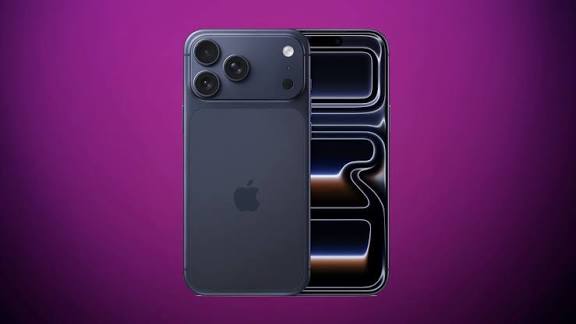
iPhone and iPad Become First Consumer Devices Cleared for NATO Classified DataApple has scored a security milestone that blurs the line between consumer tech and defense infrastructure: the iPhone and iPad are now officially approved to handle NATO Restricted classified information across all member states.��
This makes Apple’s mobile devices the first and only consumer products to meet NATO’s information assurance requirements at this level.��
According to the listing in the NATO Information Assurance Product Catalogue, devices running iOS 26 and iPadOS 26 can process classified information up to the NATO Restricted tier without any special software, custom hardware, or additional security modules.��
In practice, this means off‑the‑shelf iPhones and iPads can provide secure access to Mail, Calendar, and Contacts using only Apple’s built-in apps.��
German Security Agency Led the EvaluationThe road to NATO approval began in Germany. The Federal Office for Information Security (Bundesamt für Sicherheit in der Informationstechnik, BSI) had already cleared iPhone and iPad for handling classified German government data using native iOS and iPadOS protections.�
Building on that earlier authorization, BSI conducted extensive technical assessments, comprehensive testing, and deep security analysis to validate the platforms against NATO nations’ assurance requirements.��
BSI president Claudia Plattner stressed that secure digital transformation has to start at the design stage, not as an afterthought layered on top of devices.�
Apple’s tightly integrated model—combining Apple silicon, hardware encryption, and operating system controls—aligned with that philosophy and helped the devices pass the NATO evaluation.��
What It Means for Defense and EnterpriseThe certification leans heavily on security features that Apple has been building into its ecosystem for years, including strong hardware‑level encryption, biometric authentication through Face ID and Touch ID, and a Memory Integrity Enforcement feature designed to block sophisticated spyware and memory exploits.��
NATO’s conditions still require that devices handling Restricted material are managed endpoints, with policies enforced and passcodes or biometrics turned on.��
Apple’s vice president of Security Engineering and Architecture, Ivan Krstić, framed the decision as a break with how “secure devices” have traditionally been delivered.��
Instead of bespoke, government-only hardware, the same protections available to everyday users are now recognized as sufficient for restricted‑level government use across NATO.��
A Broader Market Opening — Including for AfricaFor NATO defense personnel, diplomats, and administrators, this approval could gradually reduce dependence on niche, ruggedized secure handsets in favor of standard iPhones and iPads for certain classes of sensitive communication.��
No rival consumer mobile platform currently holds an equivalent NATO Restricted certification, which gives Apple a unique position in government and defense procurement.��
For African states and regional bodies that cooperate with NATO members, the move is strategically relevant. Governments on the continent already rely heavily on commercial smartphones for official communications, often without the benefit of formal assurance at the level NATO has now granted Apple devices.��
As digital sovereignty and data protection rise on African policy agendas, this certification may influence how ministries of defense, foreign affairs, and intelligence agencies evaluate commercial devices, and could accelerate conversations about aligning with international security benchmarks.If regional organizations such as the African Union, ECOWAS, or SADC explore closer security and cyber‑defense cooperation with NATO partners, Apple’s newly certified devices will likely feature in discussions about secure but cost‑efficient mobile infrastructure.��
For African enterprises in sectors like fintech, critical infrastructure, and extractives—where secure communications with European or North American partners are routine—the NATO approval also reinforces Apple’s pitch that a single device can bridge consumer, corporate, and government‑grade security needs.
Leave a Reply