As artificial intelligence rapidly transforms industries across the globe, military planners are increasingly looking to AI as the next frontier in warfare. From autonomous drones and robotic combat systems to advanced battlefield communications and quantum computing, the nature of war is changing faster than many governments can adapt.
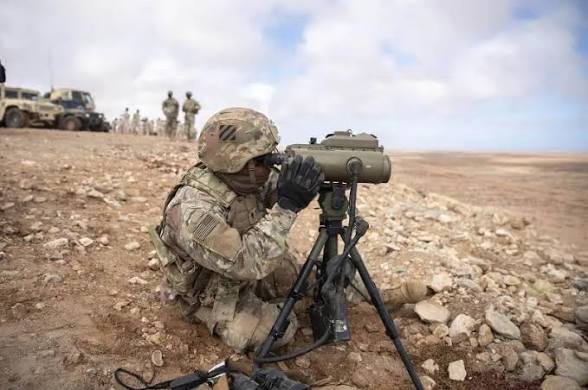
These developments were on full display during African Lion 2026, one of the world’s largest multinational military exercises, hosted in Morocco and organized in partnership with the United States Africa Command (AFRICOM). The exercise brought together military personnel from dozens of nations to test new technologies, tactics, and strategies designed for the conflicts of the future.
Journalist Shane Smith traveled to Morocco to gain an inside look at the technologies reshaping modern warfare. Through conversations with senior military leaders and frontline innovators, the exercise offered a glimpse into a future where artificial intelligence may play a central role in military decision-making.
The Rise of AI on the Battlefield
Artificial intelligence is already being used to analyze intelligence, identify targets, coordinate logistics, and process vast amounts of battlefield data in real time. Military officials argue that AI can dramatically increase the speed and accuracy of decision-making while reducing risks to soldiers.
During African Lion 2026, demonstrations highlighted AI-assisted targeting systems capable of processing surveillance information from multiple sources simultaneously. Such systems could help commanders react more quickly to threats while coordinating operations across vast geographic regions.
However, the growing reliance on AI raises serious concerns. Critics warn that allowing algorithms to participate in life-and-death decisions could create accountability issues and increase the risk of unintended escalation during conflicts.

The Drone Revolution
One of the most significant lessons shaping military strategy today comes from the ongoing conflicts in Eastern Europe and the Middle East.
Drone warfare has fundamentally altered modern combat. Relatively inexpensive unmanned aerial systems are now capable of conducting surveillance, precision strikes, electronic warfare, and even autonomous attacks.
At African Lion 2026, military innovators showcased drone technologies inspired by lessons learned from the war in Ukraine and the expanding use of drones by both state and non-state actors.
First Lieutenant Vincent Gasparri of the 173rd Airborne Brigade, who leads innovation initiatives within his unit, discussed how military engineers are developing new drone platforms designed to counter emerging threats while improving battlefield effectiveness.
The widespread use of drones has also sparked a technological arms race in counter-drone systems, including electronic jamming technologies, directed-energy weapons, and AI-powered detection platforms.
Autonomous Weapons and Robotics
Military planners increasingly envision future battlefields where autonomous vehicles, robotic systems, and AI-enabled machines operate alongside human soldiers.
Autonomous ground vehicles could deliver supplies, evacuate wounded personnel, conduct reconnaissance missions, and potentially engage enemy targets. Robotic systems are also being developed to reduce risks during dangerous operations such as bomb disposal and urban warfare.
Supporters argue that these technologies can save lives and increase operational efficiency. Opponents, however, fear a future where machines may be granted authority to make lethal decisions without direct human oversight.
The debate over autonomous weapons remains one of the most controversial topics in international security circles.
Quantum Computing and Military Communications
Another area receiving increased attention is quantum computing and next-generation encryption.
Military organizations worldwide are investing heavily in quantum technologies because of their potential to revolutionize communications, intelligence gathering, and cybersecurity.
Quantum computers could eventually break many existing encryption methods, forcing governments to develop new security systems capable of protecting sensitive military information. At the same time, quantum communications may provide unprecedented levels of secure data transmission.
As nations compete for technological superiority, quantum capabilities are increasingly viewed as a strategic asset comparable to nuclear technology during the twentieth century.
Terrorism and Security Challenges in Africa
AFRICOM officials also emphasized the continuing threat posed by extremist organizations operating across parts of Africa.
While AI and advanced technologies dominate discussions about future warfare, military leaders stress that traditional security challenges remain. Terrorist groups continue to exploit political instability, economic hardship, and weak governance structures in various regions.
The integration of AI-powered surveillance systems, data analytics, and unmanned technologies is increasingly being viewed as a tool for monitoring extremist networks and enhancing border security efforts.
However, civil liberties advocates caution that these technologies must be used responsibly to avoid abuses of power and violations of privacy rights.
How Ukraine Changed Military Strategy
The conflict in Ukraine has become a case study for military planners worldwide.
The war has demonstrated how commercial technologies, drones, satellite communications, and real-time intelligence sharing can dramatically influence the outcome of military operations.
Many of the systems being tested at African Lion 2026 reflect lessons learned from observing the battlefield in Ukraine. Military innovators are increasingly focused on agility, decentralization, and the integration of emerging technologies into conventional military structures.
The conflict has also highlighted the importance of electronic warfare, cyber operations, and resilient communications networks in modern combat.
Are We Entering the Age of Autonomous War?
Perhaps the most important question emerging from African Lion 2026 is whether humanity is approaching an era where artificial intelligence becomes deeply embedded in warfare.
While fully autonomous armies remain largely the subject of speculation, many of the building blocks already exist. AI systems can analyze intelligence, coordinate logistics, identify threats, and assist commanders at unprecedented speeds.
The challenge facing policymakers, military leaders, and citizens alike is determining where human judgment should remain indispensable.
As technology advances, the debate will no longer be whether AI participates in warfare, but how much authority societies are willing to grant intelligent machines.
African Lion 2026 demonstrates that the future of warfare is arriving faster than many expected. For African nations, understanding these emerging technologies will be critical as global security dynamics continue to evolve in an increasingly automated world.
Leave a Reply