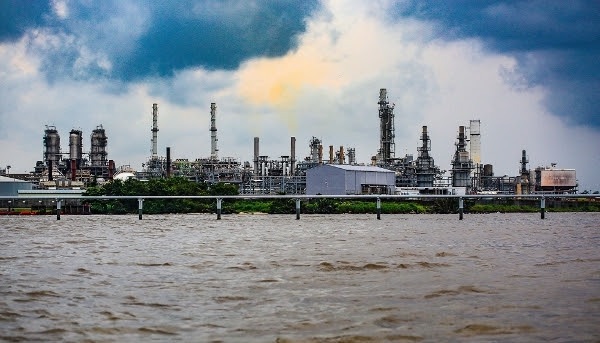
In a new twist to the Niger Delta’s security landscape, Government Ekpemupolo—widely known as Tompolo—appears set to have his lucrative surveillance agreement with Nigeria’s state oil company, the Nigerian National Petroleum Company (NNPC), extended. The move could further consolidate his role as the region’s most influential player in oil infrastructure protection, even as it deepens rivalries among ex-militant leaders competing for control of the multi-billion-naira security deals.
Sources familiar with ongoing discussions say the NNPC is “highly satisfied” with Tompolo’s recent performance, citing improved security along key pipelines and reduced oil theft in previously volatile zones. His company, Tantita Security Services Limited, has been instrumental in curbing illegal bunkering activities—a chronic problem that costs Nigeria billions of dollars annually.
However, not everyone welcomes the prospect of Tompolo’s continued dominance. Several of his former allies in the Niger Delta struggle, now rivals in the lucrative pipeline surveillance sector, are reportedly lobbying government figures and powerful intermediaries to prevent his contract renewal. These efforts reflect growing tensions among leaders of the region’s ex-agitators, many of whom view the NNPC contracts as their primary post-amnesty economic lifelines.
Analysts suggest that the politics surrounding Tompolo’s renewed influence symbolizes a larger challenge for Nigeria: balancing oil-sector reforms with the necessity of keeping peace in the Delta. As Abuja juggles competing interests between national security goals and local appeasement, the NNPC’s final decision could redefine who truly controls the flow of crude oil security in Nigeria’s southern heartland.
The brewing rivalry highlights not only the stakes involved but the enduring complexity of the Niger Delta’s relationship with the Nigerian state—a region still grappling with inequality amid vast petroleum wealth and evolving power dynamics among its local elites.
Leave a Reply