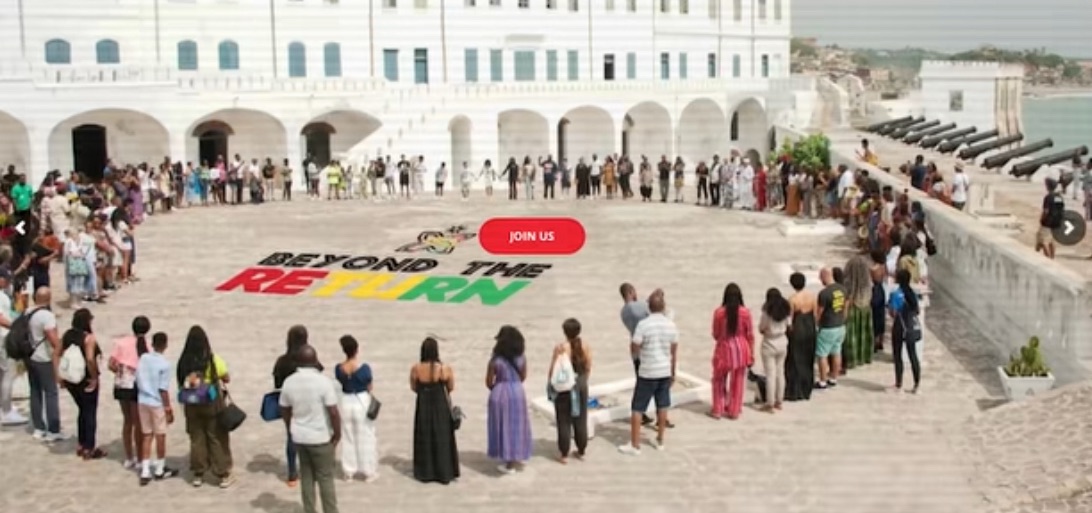
For years, Ghana has positioned itself as a spiritual and cultural homecoming destination for Africans in the diaspora, especially African Americans seeking reconnection, investment opportunities, citizenship pathways, and relief from racial tensions in the West.
From the globally celebrated “Year of Return” campaign in 2019 to the “Beyond the Return” initiative, Ghana successfully marketed itself as the gateway for Black reconnection with the African continent. Celebrities, entrepreneurs, activists, retirees, and digital nomads poured into Accra, Cape Coast, Elmina, and other regions searching for belonging, ownership, healing, and economic opportunity.
The movement generated billions in tourism revenue, global media attention, and renewed Pan-African dialogue. But beneath the celebrations, another conversation has quietly emerged inside Ghana itself:
What happens when the return of the diaspora begins contributing to rising rents, land speculation, displacement, and class tension for local residents?
The question is becoming increasingly important not just for Ghana, but for the future of Pan-African repatriation across the continent.
Ghana’s Invitation to the Diaspora
Ghana’s outreach to the African diaspora was historic in scale and symbolism.
The government openly invited descendants of the transatlantic slave trade to reconnect with the continent through tourism, investment, and even long-term relocation. The emotional power of the campaign resonated globally.
African Americans visited slave castles in Cape Coast and Elmina. Others purchased land, opened restaurants, built villas, launched tech startups, and invested in creative industries. Entire social media ecosystems emerged around “moving to Ghana,” with YouTube channels documenting life in Accra and TikTok influencers encouraging Black Americans to relocate permanently.
For many in the diaspora, Ghana represented:
- psychological refuge
- cultural restoration
- business opportunity
- political dignity
- spiritual reconnection
The relationship seemed mutually beneficial. Ghana gained tourism revenue and foreign investment, while diaspora Africans gained a sense of home.
But as foreign money entered local housing and land markets, economic realities began shifting.
The Rise of Accra’s New Property Economy
In neighborhoods like East Legon, Cantonments, Airport Residential, Osu, and Labone, real estate prices have surged over the past decade.
Luxury apartments marketed toward expatriates, returnees, diplomats, and foreign investors increasingly dominate portions of the capital. Rent prices in some districts are now beyond the reach of many ordinary Ghanaian workers.
Land speculation has also intensified.
Diaspora buyers, often earning in U.S. dollars or pounds, can outbid many locals in land negotiations. Developers have responded by targeting higher-income foreign markets rather than building affordable housing for average Ghanaian families.
This pattern resembles forms of gentrification seen in cities like:
- Brooklyn
- Oakland
- London
- Cape Town
In each case, rising outside investment transformed local communities, often pricing out long-term residents.
The difference in Ghana is that the “outsiders” are also members of the global African family.
That creates a much more emotionally complex debate.
When Pan-Africanism Meets Class Reality
Many Ghanaian citizens support diaspora reconnection and welcome African Americans returning to the continent. The historical trauma linking Africa and the diaspora is deeply understood.
However, tensions can emerge when economic inequalities become visible.
A Ghanaian earning local wages may struggle to compete against:
- remote workers earning U.S. salaries
- foreign investors paying cash
- diaspora retirees with stronger currencies
- international developers purchasing large tracts of land
The result can create resentment even where cultural solidarity exists.
Some locals increasingly ask:
- Who truly benefits from the “Return” economy?
- Are local communities being consulted?
- Is development serving citizens or elite investment markets?
- Could diaspora migration unintentionally reproduce inequalities seen in the West?
The issue is not unique to Ghana.
Similar tensions have appeared in:
- Mexico during digital nomad migration
- Portugal during foreign property booms
- South Africa in luxury coastal developments
- Kenya around expatriate-driven urban pricing
The Ghanaian case is simply layered with Pan-African emotion and historical symbolism.
Land Ownership and Traditional Authority
Land in Ghana is not always governed through straightforward state ownership systems. Much of it involves:
- family ownership
- stool lands
- customary authorities
- chiefs and traditional structures
Diaspora buyers unfamiliar with these systems sometimes enter complicated or disputed land arrangements. Multiple sales of the same property, unclear title structures, and legal conflicts have become common concerns in parts of the market.
As land values rise, local populations may also feel pressure from speculative purchasing and rapid development.
This creates an important Pan-African challenge:
How can African nations encourage diaspora investment without triggering displacement or weakening community land security?
The Danger of “Afro-Gentrification”
A new phrase increasingly discussed online is “Afro-gentrification.”
The term refers to situations where wealthier members of the African diaspora relocate to African cities and unintentionally contribute to pricing pressures that affect local Black populations.
Unlike colonial-era displacement driven by Europeans, this phenomenon occurs within the broader global African community itself.
That creates moral and political complications.
Diaspora Africans are not colonial settlers. Many arrive seeking healing, reconnection, or escape from anti-Black racism abroad. Yet economic structures can still create unequal outcomes regardless of intention.
The challenge is structural, not simply personal.
Without planning, cities can become divided between:
- foreign-facing luxury districts
- local affordability crises
- speculative property markets
- disconnected elite enclaves
The continent risks reproducing the same inequalities many diaspora Africans hoped to escape.
Building Ethical Repatriation Models
The solution is not to reject diaspora return. In fact, stronger African-diaspora connections may become economically and politically essential in the coming decades.
Instead, Ghana and other African nations may need more intentional frameworks for repatriation and investment.
Possible solutions include:
- affordable housing requirements
- community land protections
- cooperative ownership models
- diaspora investment funds for local industry
- taxation on speculative luxury property
- stronger tenant protections
- partnerships with local communities
- transparent land registration systems
Diaspora return could become transformative if structured around shared development rather than elite consumption.
The goal should not simply be relocation, but collective nation-building.
Beyond Symbolism
The emotional power of returning to Africa is real. For descendants of slavery and colonial displacement, the idea of reconnection carries enormous historical weight.
But Pan-Africanism cannot survive on symbolism alone.
If the future relationship between Africa and its diaspora is to succeed long term, it must confront practical realities involving:
- housing
- wages
- land
- ownership
- labor
- inequality
- local participation
Otherwise, tensions may deepen between communities that should be allies.
The dream of return must evolve beyond tourism campaigns and luxury real estate marketing into something more sustainable: a shared economic vision that protects both returning diaspora communities and the local populations who never left.
The future of Pan-African unity may depend on whether Africa can build development models where reconnection strengthens communities instead of displacing them.
Leave a Reply