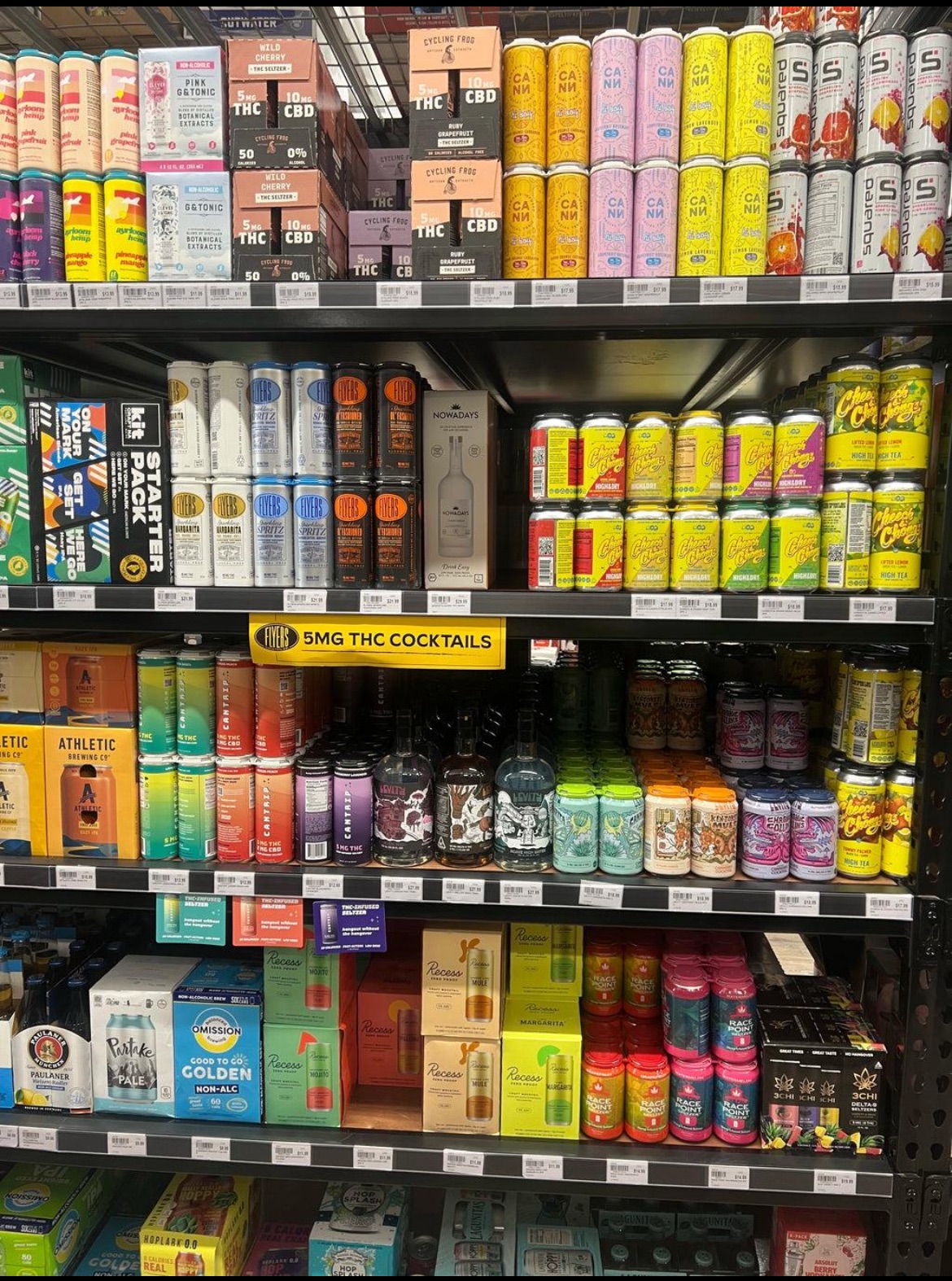
For more than a century, global beverage giants built their fortunes on sugar, caffeine, and carefully engineered branding. Now, some of the world’s largest drink companies are quietly studying another ingredient once considered untouchable in corporate boardrooms: cannabis.
Among the most closely watched names is The Coca-Cola Company, which has repeatedly attracted speculation over possible entry into the cannabis beverage market. While Coca-Cola has publicly denied launching a THC-infused product, executives and analysts have acknowledged the company has explored opportunities connected to cannabis wellness beverages, particularly products containing cannabidiol, or CBD — the non-intoxicating cannabis compound associated with relaxation and recovery.
The interest reflects a broader shift unfolding across the global beverage industry as cannabis legalization expands, younger consumers reduce alcohol consumption, and companies search for new categories capable of delivering growth in an increasingly competitive market.
From Counterculture to Corporate Strategy
Cannabis beverages were once niche products associated with underground dispensaries and independent producers. Today, they represent one of the fastest-growing segments of the legal cannabis economy.
Industry analysts estimate the global cannabis beverage market could reach tens of billions of dollars over the next decade as legalization spreads across North America, Europe, and parts of Latin America. The appeal lies partly in changing consumer behavior. Younger adults increasingly prefer “social wellness” products that promise relaxation without the calories of alcohol or the health risks associated with smoking.
This evolving demand has transformed cannabis drinks from novelty items into serious corporate targets.
Back in 2018, reports emerged that Coca-Cola had held exploratory discussions with Canadian cannabis producer Aurora Cannabis about developing CBD wellness beverages. Although the company ultimately declined to launch a product, the discussions signaled that even the world’s largest beverage companies were studying cannabis seriously. At the time, Coca-Cola stated it was “closely watching the growth of non-psychoactive CBD as an ingredient in functional wellness beverages around the world.”
That statement triggered intense investor speculation and sent cannabis stocks soaring.
The Brands Already Selling Cannabis Drinks
While Coca-Cola remains cautious, several companies have already established themselves inside the cannabis beverage market.
One of the best-known players is Keef Brands, a Colorado-based company producing THC-infused sodas, sparkling waters, and mocktails sold through licensed dispensaries across multiple U.S. states. Keef’s products mimic traditional soda flavors while delivering measured cannabis doses designed for recreational consumers.
Keef is far from alone.
Canopy Growth Corporation partnered with global alcohol giant Constellation Brands to develop cannabis beverages through its “Quatreau” sparkling water line and THC beverage portfolio.
Meanwhile, Tilray Brands has expanded aggressively into cannabis drinks after acquiring several beverage operations and positioning itself at the intersection of craft beer and cannabis culture.
Another significant player is Cann, which markets low-dose THC social tonics aimed at wellness-focused consumers seeking alternatives to alcohol. Cann’s sleek packaging and influencer-heavy marketing strategy helped make cannabis drinks more culturally mainstream among younger urban audiences.
Other emerging brands include:
- Pabst Labs
- Recess
- CANN Social Tonics
- Wynk
- Nowadays
Several major alcohol companies have also entered the space indirectly through investments, partnerships, or research initiatives, hoping cannabis beverages could eventually become a major competitor to beer, wine, and spirits.
Why Big Beverage Companies Are Interested
The cannabis beverage market sits at the intersection of several powerful trends reshaping global consumption.
First, alcohol consumption among younger generations has declined in several Western markets. Health-conscious consumers increasingly seek alternatives marketed around wellness, moderation, and mental balance.
Second, advances in cannabis science have improved beverage technology. Earlier cannabis drinks often suffered from inconsistent dosing and unpleasant taste profiles. Modern emulsification technologies now allow manufacturers to create beverages with faster absorption, more predictable effects, and cleaner flavors.
Third, the legal cannabis industry offers enormous potential revenue opportunities. In countries and states where recreational cannabis is legal, cannabis drinks are becoming increasingly common in dispensaries, nightlife venues, and wellness retail spaces.
The appeal for multinational beverage corporations is obvious: cannabis beverages could eventually become an entirely new consumer category similar to energy drinks or hard seltzers.
Africa Watching From the Sidelines — For Now
Across Africa, cannabis regulation remains highly fragmented. Most African countries continue to prohibit recreational cannabis use, although several nations have legalized cannabis cultivation for medical or industrial purposes.
Countries such as Lesotho, South Africa, Morocco, Zimbabwe and Uganda have all explored various forms of cannabis reform tied to agriculture, exports, pharmaceuticals, or industrial hemp production.
For African policymakers, the rise of cannabis beverages presents both economic opportunity and regulatory complexity. If legalization trends continue globally, African agricultural producers could eventually become suppliers within international cannabis supply chains.
At the same time, governments face questions involving public health, youth access, taxation, advertising restrictions, and international trade law.
A Market Still in Early Stages
Despite growing hype, cannabis beverages remain a relatively small portion of the broader cannabis market. Edibles, vaping products, and dried flower still dominate sales in most legal jurisdictions.
Yet major beverage companies rarely move quickly into emerging sectors. Instead, they often observe markets carefully, waiting for regulation, consumer demand, and infrastructure to mature before making large investments.
That cautious strategy helps explain Coca-Cola’s current position. The company has not launched a cannabis beverage, but industry analysts believe global beverage giants continue monitoring the sector closely.
If legalization expands and consumer demand continues rising, cannabis-infused drinks could eventually evolve from dispensary novelty into mainstream commercial products sold through international beverage networks.
For now, the industry remains in a transitional phase — somewhere between wellness trend, regulatory experiment, and the possible future of social drinking.
Leave a Reply