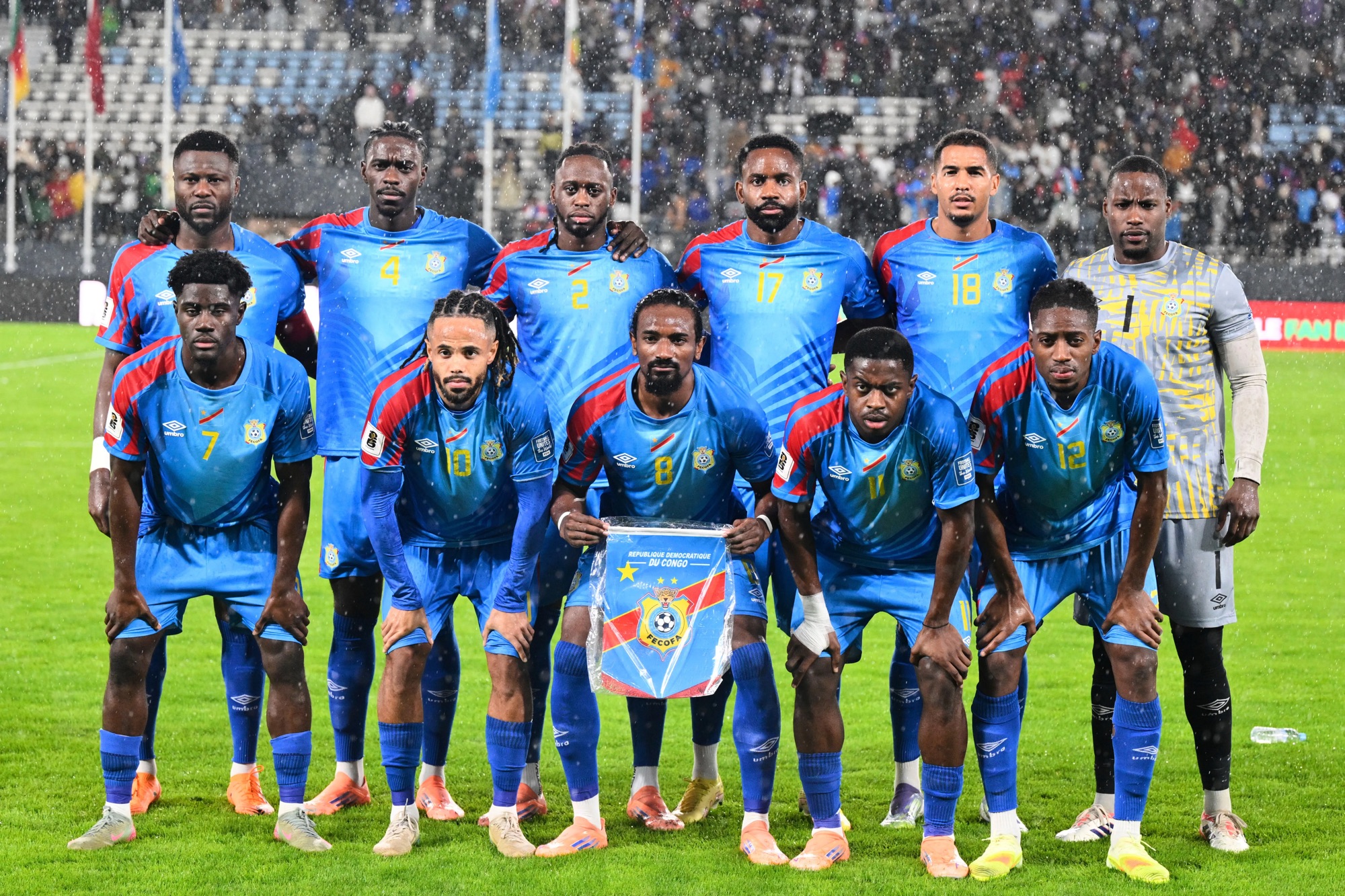
The decision by the Democratic Republic of the Congo to cancel its planned pre-World Cup training camp in Kinshasa and move preparations to Belgium has highlighted the growing impact of public health crises on African sports and international mobility. As the country battles a worsening Ebola outbreak in its eastern provinces, officials say concerns over player safety, travel restrictions, and international health regulations pushed the national football federation to make the difficult decision.
The Congolese national team, known as the Leopards, is preparing for its first FIFA World Cup appearance since 1974 — a historic moment for one of Africa’s most passionate football nations. Yet instead of building momentum at home in front of supporters, the squad will now train thousands of miles away in Europe under the shadow of a renewed health emergency.
Authorities confirmed that the Ebola outbreak, centered in eastern regions already affected by instability and humanitarian challenges, has expanded in recent weeks. International concern intensified after the United States announced tighter entry restrictions and enhanced screening measures linked to Ebola exposure risks. With World Cup travel logistics becoming increasingly complicated, Congolese officials feared that maintaining a domestic training camp could jeopardize player participation and create uncertainty for international transit.
For many Congolese fans, the move is emotionally painful. Football in the DRC has long served as a source of national pride and unity, especially during periods of political tension, economic hardship, and conflict. Supporters had hoped the Leopards’ return to the global stage would inspire a new generation and provide a moment of celebration for the nation. Instead, preparations are unfolding abroad, away from the crowds and communities that helped shape the team’s journey.
Belgium was ultimately chosen because of its strong Congolese diaspora community, modern sports infrastructure, and long historical ties to the DRC. The country already hosts many Congolese players competing in European leagues, making the transition logistically easier. Training in Belgium also allows the team to avoid potential quarantine complications and maintain stable access to international flights ahead of the tournament.
The relocation reflects a larger issue facing African nations in global sports: how health emergencies, visa policies, and international perceptions can affect participation on the world stage. African athletes often face additional travel scrutiny during disease outbreaks, even when outbreaks are geographically limited or contained far from tournament locations. Critics argue that such restrictions can unfairly stigmatize African countries and reinforce unequal treatment in international sports governance.
At the same time, health experts warn that Ebola outbreaks must be taken seriously due to the virus’s deadly nature and the challenges of containing transmission in regions with limited medical infrastructure. The DRC has experienced multiple Ebola outbreaks over the past decade and has often been praised by global health organizations for rapidly deploying response teams and vaccination campaigns. However, recurring outbreaks continue to place enormous strain on local healthcare systems and national resources.
For the Leopards, the focus now shifts toward adapting mentally and physically to the sudden relocation. Coaches and federation officials say the team remains determined to represent the Congolese people proudly despite the difficult circumstances. Players have also reportedly expressed solidarity with families affected by the outbreak, acknowledging that football celebrations mean little without national stability and public safety.
The situation has sparked broader discussions across Africa about emergency preparedness in sports, including whether African football federations should invest more heavily in overseas contingency facilities and international partnerships. Some analysts believe the incident may encourage more African teams to establish long-term European training relationships to avoid disruptions caused by health crises, political unrest, or infrastructure limitations.
Still, many supporters insist the Leopards’ World Cup journey carries symbolic importance far beyond football. For millions across the Congo and the African diaspora, the team’s return to the tournament represents resilience, survival, and visibility for a nation that is too often associated internationally only with conflict and disease.
As the World Cup approaches, the Leopards now carry not only the hopes of their supporters but also the weight of a country confronting another public health battle. Whether training in Kinshasa or Brussels, their presence on football’s biggest stage remains a powerful reminder of African perseverance in the face of adversity.
Leave a Reply