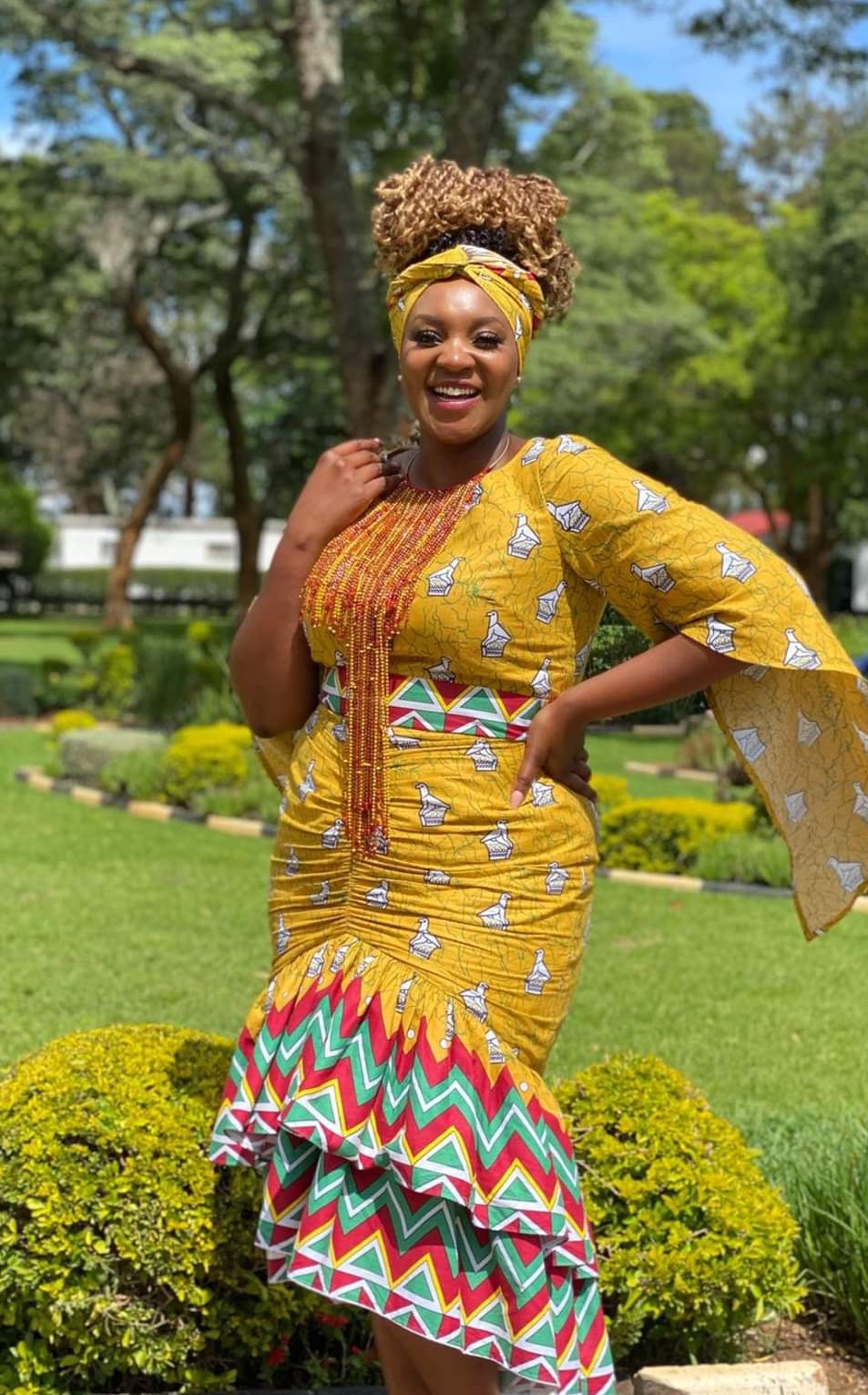
In a symbolic move aimed at strengthening cultural pride and national identity, Emmerson Mnangagwa has directed ministers in Zimbabwe to wear the country’s officially recognized National Fabric during Cabinet meetings as part of the nation’s Culture Month celebrations.
The initiative is being viewed by many across Africa as more than a fashion statement. Supporters say it reflects a growing continental movement toward reclaiming African identity through clothing, textiles, and indigenous design traditions that were once marginalized during colonial rule.
Zimbabwe’s National Fabric initiative encourages leaders to visibly embrace local materials and patterns that reflect the country’s heritage, history, and artistic traditions. Government officials say the campaign is intended to inspire ordinary citizens, local designers, textile producers, and young entrepreneurs to value Zimbabwean-made cultural products while promoting economic growth within the creative sector.
Across the African continent, traditional fabrics have long represented more than style. Cloth often carries spiritual meaning, social status, historical memory, and political symbolism. In Ghana, for example, Kente cloth has become one of Africa’s most globally recognized cultural symbols. Once reserved primarily for royalty among the Ashanti people, Kente is now worn during graduations, political ceremonies, weddings, and Pan-African events worldwide.
Many observers see Zimbabwe’s fabric initiative as part of the same cultural revival that has spread across the continent in recent years. African governments, designers, and cultural organizations have increasingly promoted locally made textiles as tools of economic empowerment and resistance against dependency on imported fashion industries.

The movement also echoes efforts by businesses such as Star and Shield Clothing, which has worked with manufacturing partners in Liberia to promote African-inspired garments connected to heritage, identity, and Pan-African consciousness. Like Ghana’s embrace of Kente cloth, initiatives in Liberia and other African nations are helping revive interest in locally connected cultural aesthetics rather than relying solely on Western fashion standards.
Supporters of these initiatives argue that African textiles represent untapped economic potential. The continent imports billions of dollars in secondhand clothing and foreign-made apparel every year, even while local cotton farmers, weavers, and garment manufacturers struggle to compete. Advocates believe stronger investment in African fabrics and domestic fashion industries could create jobs, preserve traditional craftsmanship, and strengthen cultural confidence among younger generations.
Zimbabwe’s Culture Month campaign also arrives during a period of broader debate about African identity in the digital age. Social media platforms have helped popularize African luxury fashion, indigenous hairstyles, and traditional attire among global audiences. Celebrities, musicians, and political figures increasingly wear African fabrics during international appearances as symbols of pride and cultural independence.
Critics, however, caution that symbolic clothing campaigns must be supported by real economic policy. They argue that promoting national fabrics without investing in local textile factories, supply chains, and artisan communities risks turning cultural pride into political performance rather than sustainable development.
Still, many Pan-African thinkers believe the visibility of African fabrics in government spaces matters. Seeing ministers and national leaders publicly embrace indigenous clothing can challenge long-standing perceptions that professionalism and authority must imitate Western styles.
From Kente cloth in Ghana to heritage fashion movements in Liberia and Zimbabwe, Africa’s textile renaissance is becoming increasingly tied to larger conversations about sovereignty, economics, and cultural power. For many Africans at home and in the diaspora, the message is clear: reclaiming identity can begin with what a nation chooses to wear.
Leave a Reply