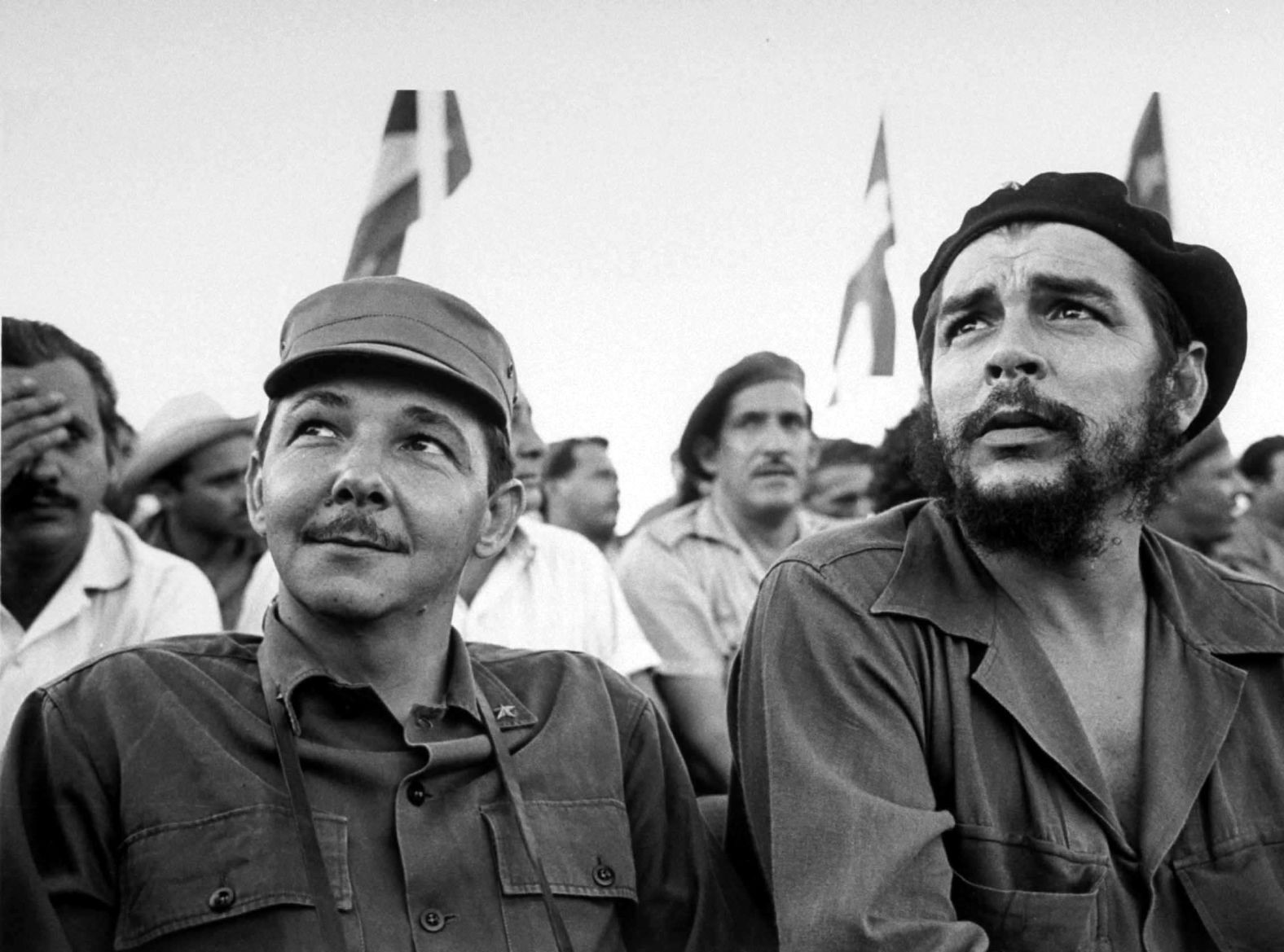
HAVANA, Cuba — Former Cuban president Raul Castro has made a rare public appearance in Havana, drawing significant international attention just weeks after reports emerged that U.S. authorities had indicted him in connection with the 1996 downing of two civilian aircraft operated by the anti-Castro organization Brothers to the Rescue.
The appearance marked Castro’s first major public event since the announcement and underscored the continued influence he maintains within Cuba’s political and military establishment despite having formally stepped away from leadership positions in recent years.
According to reports from Havana, Castro was warmly welcomed during a commemoration organized by Cuba’s Interior Ministry. The event was attended by senior military officers, government officials, veterans, and members of the country’s security apparatus. Images and video from the gathering showed the former leader receiving applause and interacting with attendees, signaling continued support among key sectors of the Cuban state.
A Case Three Decades in the Making
The controversy centers on the February 24, 1996, incident in which two civilian aircraft operated by Brothers to the Rescue were shot down by Cuban fighter jets over waters north of Cuba. Four people lost their lives in the incident, which immediately escalated tensions between Havana and Washington.
At the time, the Cuban government argued that the aircraft had repeatedly violated Cuban airspace and posed a threat to national sovereignty. U.S. officials and critics of the Cuban government maintained that the planes were operating as civilian humanitarian aircraft and that the use of military force was unjustified.
The event became one of the most contentious moments in post-Cold War U.S.-Cuba relations and contributed to the passage of stricter American sanctions against Cuba.
Nearly three decades later, renewed legal action by U.S. authorities has brought the issue back into the international spotlight, reopening debates over accountability, sovereignty, and the long-running political conflict between the two nations.
Havana’s Response
Cuban officials have rejected U.S. accusations surrounding the case, describing them as politically motivated and part of a broader campaign of pressure against the island nation.
Within Cuba, many government supporters view Raul Castro as a central figure in defending the country’s independence during decades of economic sanctions, diplomatic isolation, and security disputes with the United States.
His appearance at the Interior Ministry event was interpreted by some observers as a signal of unity within the Cuban establishment. The strong reception he received suggested that the indictment has done little to diminish his standing among state institutions that remain deeply influenced by the legacy of the Cuban Revolution.
Implications for U.S.-Cuba Relations
The timing of the indictment comes as relations between Washington and Havana remain strained. Efforts to normalize ties, which gained momentum during the administration of former U.S. President Barack Obama, have largely stalled amid renewed sanctions, political disagreements, and concerns over human rights and governance.
Analysts suggest that legal actions involving senior Cuban leaders could further complicate any future diplomatic engagement between the two countries.
The development also raises questions about how historical incidents continue to shape contemporary geopolitics. For many Cubans, the dispute reflects a broader struggle over national sovereignty and foreign intervention. For families of the victims and U.S. policymakers, it represents an unresolved chapter requiring accountability.
A Legacy Still Felt Across the Global South
Raul Castro remains one of the most consequential political figures of the modern era. Alongside his brother, Fidel Castro, he helped shape revolutionary Cuba and influenced liberation movements throughout Africa, Latin America, and the Caribbean.
Cuba’s military support for anti-colonial struggles in countries such as Angola, Namibia, and South Africa cemented its place in the political history of the Global South. As a result, reactions to developments involving Castro often extend far beyond the Caribbean.
His latest appearance serves as a reminder that the political legacies of the Cold War continue to resonate in contemporary international affairs. Whether viewed as a revolutionary leader, a defender of Cuban sovereignty, or a controversial figure in U.S.-Cuba relations, Raul Castro remains a symbol whose influence continues to provoke debate across the world.
As legal and diplomatic tensions unfold, observers will be watching closely to see how both Havana and Washington navigate a dispute rooted in one of the most enduring geopolitical rivalries of the last century.
Leave a Reply