




At first glance, Africa and North Korea seem to have little in common. They differ in geography, political systems, culture, and history. Yet one of the most intriguing connections between them can be found in the monumental statues, memorials, and public squares that stand across several African countries. Behind many of these imposing landmarks is a surprising creator: North Korea’s Mansudae Art Studio.
Established in Pyongyang in 1959, Mansudae Art Studio is one of the world’s largest centers for monumental art. Since the 1970s, its overseas construction division has designed and built numerous monuments throughout Africa, particularly in countries that maintained diplomatic or ideological ties with North Korea after independence.
Monumental Style
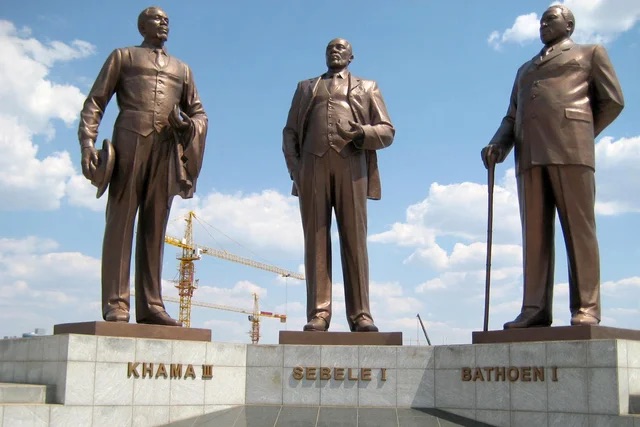
North Korean monument design is characterized by grand scale, heroic realism, and symbolic imagery. Sculptures often depict soldiers, workers, women, and national heroes standing confidently with raised arms or forward-looking expressions. Bronze and granite are commonly used to create a sense of permanence, strength, and national pride.
This artistic style aligns with the goals of many post-colonial African governments, which sought to commemorate independence movements, celebrate national unity, and honor influential leaders through highly visible public monuments.
Notable African Monuments
Among the best-known examples is the African Renaissance Monument in Dakar. Completed in 2010, the 49-meter bronze statue depicts a man, woman, and child looking toward the future. At the time of its completion, it was the tallest statue in Africa and became a symbol of national ambition, though it also generated debate over its cost, artistic style, and political symbolism.
In Windhoek, the Heroes’ Acre commemorates those who fought for Namibia’s independence. The expansive memorial complex features ceremonial grounds, a towering obelisk, and a large bronze statue of the Unknown Soldier, reflecting the monumental aesthetic associated with North Korean design.
Another prominent example is the National Heroes’ Acre in Harare. Designed with assistance from North Korean architects and artists, the memorial honors Zimbabwe’s liberation struggle and remains one of the country’s most significant ceremonial sites.
Why African Governments Chose North Korean Designers
Several factors explain this unusual partnership. During the Cold War, North Korea cultivated diplomatic relationships with newly independent African states through technical assistance, cultural exchanges, and construction projects. Mansudae Art Studio offered complete monument design and construction services, often at competitive costs and with rapid delivery.
For governments seeking impressive national memorials, North Korea provided experienced sculptors, architects, engineers, and foundry specialists capable of completing ambitious projects that might otherwise have required multiple international contractors.
Cultural and Political Debate
The monuments have generated mixed reactions. Supporters view them as powerful symbols of independence, sacrifice, and national identity. Their dramatic scale makes them important landmarks and tourist attractions in several countries.
Critics, however, argue that the artistic style sometimes reflects imported socialist realism rather than local artistic traditions. Others have questioned the financial cost of these projects or expressed concern about commissioning state-funded works from North Korea, particularly in light of international sanctions affecting certain economic activities with the country.
Despite these debates, the monuments remain significant examples of transnational architectural collaboration.
Lasting Legacy
The story of North Korea’s role in designing African monuments highlights an unexpected chapter in global architectural history. These statues and memorials illustrate how diplomacy, politics, and art intersected during the Cold War and beyond. Whether admired for their craftsmanship or debated for their symbolism, they continue to shape the public landscapes of several African nations and stand as enduring reminders of a unique international partnership.