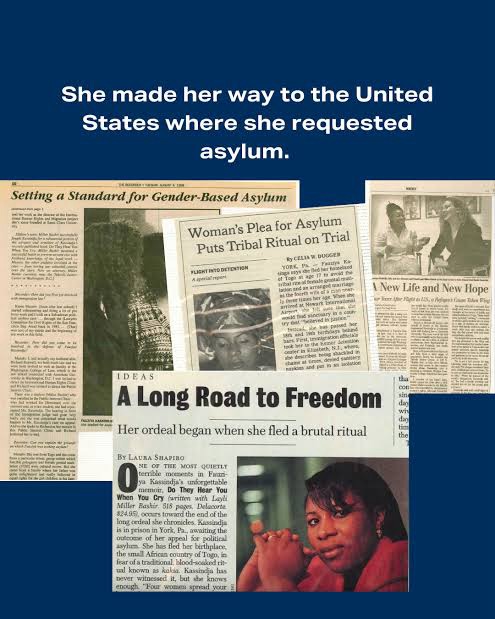
A recent deportation case involving a Togolese woman has drawn international attention to the treatment of African asylum seekers fleeing gender-based violence. According to reports, the woman sought refuge in the United States after escaping the threat of female genital mutilation (FGM) in Togo, but was later deported despite warnings from human rights advocates.
The case has reignited debate over how immigration systems in Western nations evaluate asylum claims connected to cultural violence, women’s rights, and humanitarian protections.
Female genital mutilation remains a serious issue in several parts of Africa and the wider world. International organizations including the United Nations and the World Health Organization classify FGM as a violation of human rights that can cause lifelong physical and psychological trauma.
Legal experts say asylum cases involving FGM are often difficult because applicants must prove that the threat is immediate, credible, and that their home government cannot adequately protect them. In some situations, immigration courts also examine whether relocation within the applicant’s country is possible.
Human rights groups argue that deporting women back into environments where they may face forced cutting undermines international refugee protections established under global conventions. Advocacy organizations have also criticized what they describe as increasingly restrictive asylum policies affecting migrants from Africa and the Global South.
The case has generated discussion across Pan-African legal circles, women’s advocacy movements, and diaspora communities. Some activists say the situation reflects broader challenges African migrants face when seeking protection abroad, particularly in cases involving gender violence that may not always be fully understood by foreign immigration systems.
Meanwhile, women’s rights organizations in West Africa continue working to reduce FGM through education campaigns, legal reforms, and community outreach. Several African countries, including Ghana, Benin, and Togo, have laws restricting or criminalizing the practice, though enforcement and cultural attitudes vary by region.
The deportation case is likely to remain part of larger international discussions surrounding immigration policy, refugee law, women’s rights, and the responsibilities of nations under humanitarian agreements.
Leave a Reply