As political tensions and security crises continue reshaping the Sahel region, Togo is positioning itself as an emerging diplomatic and economic bridge between the Alliance of Sahel States and the wider international community. The Togolese government’s newly announced 2026–2028 Sahel Strategy represents one of the most ambitious geopolitical moves by the coastal West African nation in recent years.
The initiative comes at a time when countries such as Mali, Burkina Faso, and Niger are redefining their relationships with former colonial powers, ECOWAS institutions, and global military alliances.
For Pan-African observers, the strategy may signal the emergence of a new diplomatic architecture in West Africa — one less dependent on traditional Western influence and increasingly centered around African-led security, trade, and regional cooperation.

Why Togo Matters Geographically
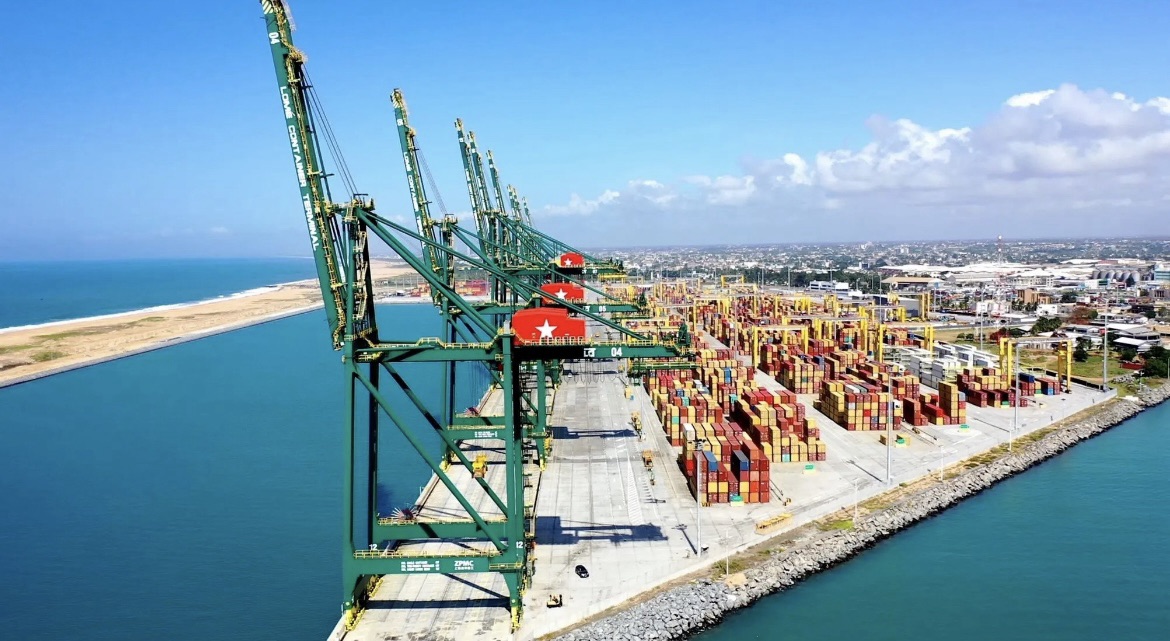
Togo occupies a strategically important position along the Gulf of Guinea. Though relatively small in size, the country serves as a commercial gateway between the Atlantic coast and the interior Sahel region. The Port of Lomé has become one of the region’s most significant transport hubs, linking landlocked countries to international trade routes.
As instability in the Sahel intensifies, coastal states are becoming increasingly important to regional supply chains, energy logistics, and security operations. Togo’s leadership appears to recognize that geography gives the country leverage far beyond its population size.
By strengthening diplomatic relations with Sahel governments while maintaining communication with international organizations, Togo is attempting to establish itself as a neutral mediator capable of engaging multiple sides during a period of regional fragmentation.
The Security Dimension
One of the most urgent aspects of the new strategy involves security cooperation.
Militant violence linked to extremist groups has expanded southward from the Sahel toward coastal West Africa over the past several years. Northern Togo has experienced sporadic attacks and growing security concerns tied to cross-border insurgent activity.
The Togolese government’s strategy reportedly focuses on:
- Border security modernization
- Intelligence-sharing with neighboring states
- Counterterrorism coordination
- Community stabilization programs
- Economic development in vulnerable northern regions
Rather than relying solely on military responses, officials have emphasized development and regional cooperation as long-term solutions to instability.
This approach reflects a growing understanding across Africa that poverty, infrastructure gaps, youth unemployment, and weak state presence often create conditions that armed groups exploit.
Economic Integration and Trade
Another major component of the strategy centers on regional commerce.
The Alliance of Sahel States — formed by Mali, Burkina Faso, and Niger — is increasingly seeking alternative trade corridors after political disputes with some ECOWAS members and Western governments.
Togo may benefit economically by becoming a preferred maritime access point for Sahel economies. Increased cargo movement through Lomé could strengthen Togolese banking, transportation, warehousing, telecommunications, and manufacturing sectors.
The strategy could also align with broader Pan-African trade ambitions under the African Continental Free Trade Area, which seeks to deepen intra-African commerce and reduce dependence on external markets.
If successful, Togo could become one of the key commercial connectors between Atlantic shipping routes and inland African markets.
Diplomatic Balancing Between Africa and Global Powers

Perhaps the most politically sensitive aspect of the initiative is Togo’s attempt to maintain relations with both the Sahel governments and international actors.
The military-led governments of Mali, Burkina Faso, and Niger have increasingly strengthened ties with countries such as Russia while distancing themselves from France and certain Western institutions.
At the same time, international organizations remain concerned about regional instability, humanitarian crises, and democratic governance issues.
Togo appears to be pursuing a middle-ground strategy:
- Maintaining diplomatic dialogue with Sahel governments
- Avoiding direct confrontation with ECOWAS
- Preserving relations with Western partners
- Expanding economic opportunities through neutrality
This balancing act could enhance Togo’s diplomatic influence if managed successfully. However, it also places the country in a delicate geopolitical position where pressure from competing global and regional interests may intensify.
Detailed Playmakers Behind the Strategy
Faure Gnassingbé
President Faure Gnassingbé is the central architect of the initiative. His government has increasingly positioned Togo as a mediator in regional disputes and a facilitator of dialogue between competing blocs in West Africa.
Economic Community of West African States
ECOWAS remains a major stakeholder despite tensions with Sahel military governments. Togo’s strategy may help prevent deeper fragmentation within the region.
Alliance of Sahel States (AES)
The emerging alliance between Mali, Burkina Faso, and Niger has become one of the most transformative political developments in modern West African geopolitics. Togo’s outreach toward the AES reflects recognition that the bloc is becoming a major regional force.
African Union
The African Union continues encouraging African-led solutions to African security challenges. Togo’s diplomatic positioning aligns with broader continental calls for sovereignty and regional self-determination.
The Port of Lomé
Beyond politics, the Port of Lomé is one of the most important operational playmakers in this strategy. Control over trade access and logistics infrastructure gives Togo growing economic significance in West Africa.
A New Era of Pan-African Regionalism?
The significance of Togo’s Sahel strategy extends beyond diplomacy alone.
Many Pan-African thinkers view the changing dynamics in West Africa as part of a broader continental shift toward:
- Greater political sovereignty
- Reduced foreign military dependence
- African-controlled trade routes
- Regional industrialization
- Multipolar international partnerships
Whether Togo can successfully maintain its balancing role remains uncertain. However, the country’s new strategy demonstrates how even smaller African states are increasingly shaping regional geopolitics rather than simply reacting to outside powers.
The coming years may determine whether Togo emerges as:
- A major diplomatic broker,
- A logistics powerhouse,
- A security buffer state,
or potentially all three simultaneously.
What is clear is that West Africa’s geopolitical map is changing rapidly — and Togo intends to play a central role in defining its future.
Leave a Reply