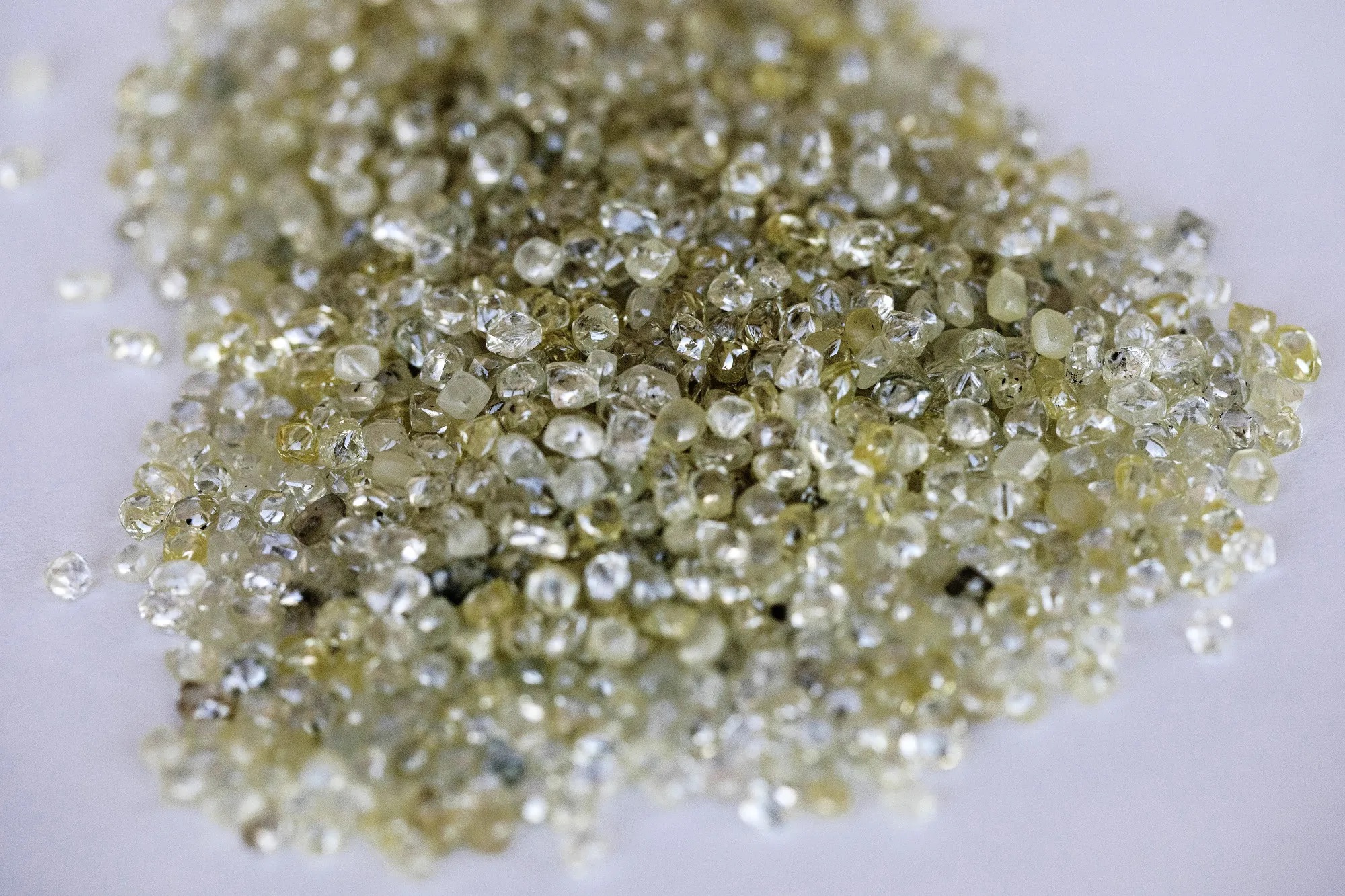
Botswana Seeks Greater Control of Its Diamond Future

Botswana, Africa’s leading diamond producer by value, is pursuing an ambitious strategy to increase its influence over the global diamond industry by seeking support from the United Arab Emirates (UAE) and Oman in acquiring a strategic stake in De Beers, the world’s most recognized diamond company. The move comes as Anglo American prepares to divest its 85% ownership stake in De Beers, creating a rare opportunity for Botswana to strengthen its control over a resource that has long been the backbone of its economy. (The Edge Malaysia)

President Duma Boko confirmed that Botswana is actively engaging both Gulf nations as potential investment partners. Speaking from Gaborone, he described the UAE and Oman as trusted allies capable of supporting Botswana’s long-term economic ambitions. According to Boko, these partnerships could extend beyond diamonds and into broader sectors of economic cooperation. (The Edge Malaysia)
Why De Beers Matters to Botswana
Few countries are as closely linked to diamonds as Botswana. Since the discovery of significant diamond deposits in the late twentieth century, the industry has transformed the nation from one of the world’s poorest countries into one of Africa’s most stable and prosperous economies.

Today, diamonds remain central to Botswana’s economic health. The country already owns 15% of De Beers and supplies a substantial portion of the company’s rough diamond production. Revenue generated from diamonds has funded infrastructure development, education, healthcare, and public services across the country. (Reuters)

However, Botswana’s leaders increasingly believe that ownership alone is not enough. By obtaining a larger stake—or potentially a controlling interest—in De Beers, Botswana would gain greater influence over diamond pricing, marketing strategies, production decisions, and value-added processing. Such influence could help ensure that more wealth generated from African diamonds remains on the African continent. (TRT Afrika)
Anglo American’s Exit Creates Opportunity


The current opportunity stems from a major restructuring effort by Anglo American, which announced plans to sell or spin off De Beers as part of a broader corporate transformation. The mining giant has been reviewing strategic options for the diamond business amid changing market conditions and investor pressure to focus on other commodities such as copper and iron ore. (The Business of Fashion)

For Botswana, the proposed sale represents more than a business transaction. It is viewed as a chance to secure economic sovereignty over one of the country’s most valuable natural resources. President Boko has repeatedly emphasized the importance of ensuring that Botswana’s voice remains central in any future ownership structure of De Beers. (Rapaport)
The Role of UAE and Oman
The interest of the UAE and Oman highlights the growing economic relationship between Africa and the Gulf region. Sovereign wealth funds and investment institutions from the Middle East have increasingly targeted African infrastructure, mining, logistics, agriculture, and energy projects.
Oman, in particular, has previously been linked to discussions about financing a larger Botswana stake in De Beers. Reports indicate that Botswana has explored cooperation with Oman’s sovereign investment entities as part of a broader strategy to secure funding for the acquisition. (Mining Technology)
The UAE has also emerged as a significant player in the global diamond trade. Dubai has become one of the world’s leading diamond trading hubs, connecting African producers with markets in Asia, Europe, and the Middle East. A partnership involving Botswana, UAE investors, and De Beers could reshape global diamond supply chains and increase African influence within the international gemstone market. (The Edge Malaysia)
Challenges Facing the Diamond Industry
Despite the strategic importance of De Beers, the diamond industry faces significant challenges. Global demand for natural diamonds has weakened in recent years, partly because of economic uncertainty and the rapid growth of lab-grown diamonds.
Lab-created diamonds have become increasingly affordable and are gaining acceptance among consumers, particularly younger buyers. This trend has pressured prices and reduced demand for traditionally mined stones. De Beers itself has reportedly accumulated substantial inventories as the industry adjusts to changing consumer preferences. (Wikipedia)
Botswana’s economy has felt the impact of this slowdown. Diamond sales remain critical to government revenues, making diversification and strategic control over the industry increasingly important. A larger ownership stake in De Beers could give Botswana additional tools to navigate these market challenges and protect national interests. (The Business of Fashion)
A New Era of Resource Ownership in Africa
The Botswana-De Beers negotiations reflect a broader trend across Africa. Governments are increasingly seeking greater participation in the ownership, processing, and marketing of natural resources rather than remaining solely exporters of raw materials.
Many African leaders argue that the continent must move beyond extractive economic models established during colonial periods and build stronger positions throughout global value chains. Botswana’s pursuit of greater control over De Beers represents one of the most significant examples of this strategy in action.
If successful, the acquisition could become a landmark case of an African nation leveraging international partnerships to secure greater influence over a globally significant industry. It may also inspire similar efforts across the continent in sectors ranging from mining and energy to agriculture and technology.
Looking Ahead
As Anglo American continues evaluating bids for its De Beers stake, attention will remain focused on Botswana’s discussions with UAE and Omani partners. The outcome could reshape ownership of one of the world’s most famous diamond companies while redefining the balance of power within the global diamond trade.
For Botswana, the stakes extend far beyond gemstones. The effort represents a vision of economic self-determination, stronger African ownership of natural resources, and a future in which the continent captures a greater share of the wealth generated from its own assets.
Whether Botswana ultimately secures a strategic or controlling stake in De Beers, the negotiations mark an important chapter in Africa’s ongoing pursuit of economic sovereignty and value creation.
Leave a Reply