





By Pan-African News Desk
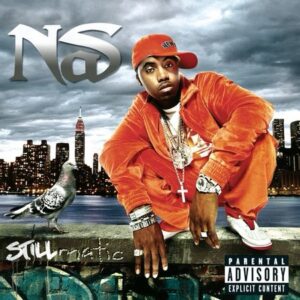
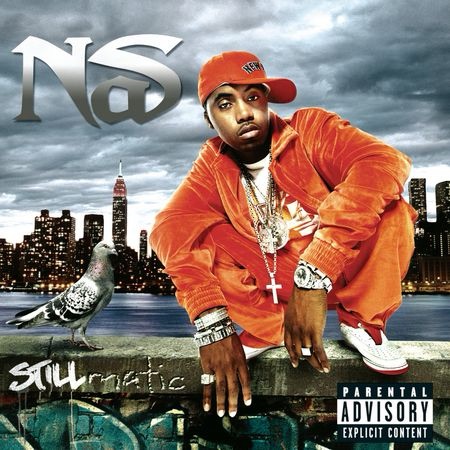
More than 20 years after its release, Nas’ landmark album Stillmatic is experiencing an unexpected resurgence. Across streaming platforms, social media, podcasts, and hip-hop discussion forums, the 2001 classic is being rediscovered by younger listeners while longtime fans revisit what many consider one of the greatest comeback albums in rap history.
For a generation raised on TikTok clips and algorithm-driven playlists, Stillmatic is no longer just a nostalgic classic—it’s becoming a blueprint for lyrical excellence, artistic resilience, and socially conscious storytelling.
The Album That Saved a Career


When Stillmatic arrived in December 2001, Nas was under immense pressure.
Following the critical disappointment of Nastradamus (1999), many critics questioned whether the Queensbridge rapper had lost the creative spark that made his 1994 debut, Illmatic, one of hip-hop’s most celebrated albums.
Instead of fading into the background, Nas responded with one of the greatest comeback albums in music history.
Stillmatic debuted to widespread critical acclaim, restoring Nas’ reputation as one of rap’s elite lyricists. The album featured iconic tracks including “Ether,” “One Mic,” “Got Ur Self A…,” and “You’re Da Man,” blending street narratives with political commentary, introspection, and powerful storytelling. It also marked a return to the socially conscious themes that had defined his early career. (Wikipedia)
Why Is Stillmatic Trending Again?
The renewed attention surrounding Stillmatic is not the result of a single viral moment. Instead, several cultural trends have converged to introduce the album to a new audience.
The first is the continued appreciation for lyricism. As debates over “real hip-hop” versus commercial rap continue online, younger listeners are revisiting classic albums that emphasize intricate wordplay and storytelling.
Secondly, Nas himself has experienced a remarkable career renaissance. His recent string of critically acclaimed projects—including the King’s Disease trilogy, the Magic series, and his collaboration with DJ Premier—has prompted many newer fans to explore his earlier catalog. (Wikipedia)
Streaming services have also played a major role. Unlike the CD era, younger audiences can instantly move from Nas’ newest releases to his classic albums with a single click, creating renewed interest in records that shaped hip-hop history.
“One Mic” Still Speaks to Today’s Generation
Perhaps no song from Stillmatic has aged better than “One Mic.”
Beginning quietly before building into an emotional crescendo, the track explores hope, frustration, inequality, and perseverance.
Its central message—that one voice can inspire change—continues to resonate with audiences living through political uncertainty, social justice movements, and economic hardship.
Across Africa, where youth movements increasingly use music and social media as tools for civic engagement, the song feels remarkably contemporary.
Its themes of resilience and empowerment transcend geography.
The Legacy of “Ether”
No discussion of Stillmatic is complete without “Ether,” the explosive diss track aimed at fellow rapper Jay-Z.
The song became one of the defining moments in hip-hop history, elevating lyrical battles to a new level and introducing a new phrase into rap culture.
To this day, saying an artist has been “ethered” remains shorthand for being thoroughly defeated in a lyrical contest.
More importantly, “Ether” demonstrated that hip-hop audiences still valued lyrical craftsmanship over commercial success.
Why Africa Connects With Nas
Nas has long enjoyed a devoted following across Africa.
His music speaks to themes that resonate deeply across the continent:
- social inequality
- political accountability
- urban survival
- economic aspiration
- Black identity
- historical consciousness
Unlike artists whose appeal depends primarily on club records, Nas built his reputation through storytelling and social commentary.
Many African rappers—from South Africa and Nigeria to Ghana, Kenya, Senegal, and beyond—cite him as a major influence on their writing.
His focus on education, entrepreneurship, and Black empowerment has further strengthened his appeal among African audiences seeking music with substance.
Social Media Has Given the Album New Life
Platforms such as TikTok, YouTube, and Instagram have introduced Stillmatic to listeners who were not yet born when the album was released.
Reaction videos, producer breakdowns, lyric analyses, and podcast discussions have transformed classic hip-hop albums into educational experiences.
Music creators regularly revisit the production techniques behind tracks like “One Mic,” while hip-hop commentators continue to debate whether “Ether” remains the greatest diss track ever recorded.
The result is a continuous cycle of rediscovery that keeps the album culturally relevant.
More Than Nostalgia
The renewed popularity of Stillmatic reflects a broader shift in how audiences consume music.
Streaming has blurred generational boundaries.
A 19-year-old listener can move seamlessly from Kendrick Lamar to Nas, from J. Cole to Rakim, or from contemporary Afrobeats to classic East Coast hip-hop.
In that environment, timeless albums no longer disappear—they simply find new audiences.
A Blueprint for Longevity
Few artists have managed to remain culturally relevant across four decades.
Nas has achieved that rare feat by refusing to chase trends while continuing to evolve artistically.
His recent run of critically acclaimed albums has encouraged fans to revisit earlier milestones, with Stillmatic standing out as the moment that redefined his career and cemented his legacy.
For many listeners, the album is no longer just a classic from 2001.
It is a reminder that great music is timeless.
More than two decades after its release, Stillmatic continues to prove that lyrical excellence, thoughtful storytelling, and authentic artistry never go out of style.


