





By Pan-African News Desk
The United States is reshaping its military presence in Africa—not by deploying more combat troops, but by expanding its influence in the information space.
According to recent reports, the U.S. Army is establishing a new Psychological Operations (PSYOP) unit focused specifically on Africa, signaling a strategic shift away from direct military engagement against militant groups and toward information warfare, influence campaigns, and strategic communications.
The move reflects Washington’s growing belief that future conflicts on the continent will be fought as much through narratives, public opinion, digital media, and political influence as through bullets and bombs.
What Are Psychological Operations?
Psychological Operations (PSYOP), now officially referred to by the U.S. military as Military Information Support Operations (MISO), are planned activities designed to influence the perceptions, emotions, motivations, and behavior of foreign governments, organizations, groups, and individuals.
Contrary to popular belief, psychological operations are not simply propaganda.
Modern PSYOP combines intelligence gathering, behavioral science, digital communications, cultural expertise, and media engagement to shape how people think and respond to political or military events.
These operations may include:
- Countering extremist propaganda
- Influencing public opinion through media campaigns
- Supporting allied governments with strategic messaging
- Encouraging defections among militant groups
- Countering foreign disinformation
- Promoting narratives favorable to U.S. foreign policy
In today’s interconnected world, social media platforms, radio broadcasts, messaging apps, podcasts, and online influencers have become just as important as traditional military assets.
Why Africa?

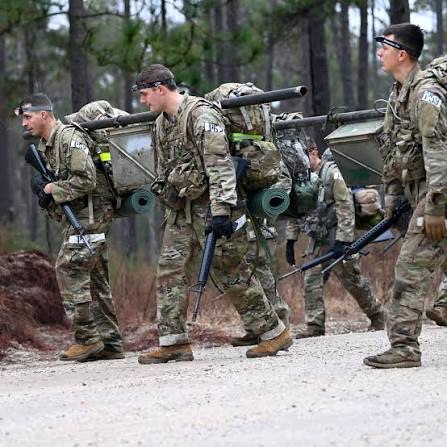
For nearly two decades, U.S. military policy in Africa largely focused on counterterrorism.
American forces worked alongside African militaries to combat organizations such as:
- Al-Shabaab in Somalia
- Boko Haram in Nigeria and the Lake Chad Basin
- ISIS affiliates operating across the Sahel
- Al-Qaeda-linked groups in Mali, Burkina Faso, and Niger
However, despite years of military operations, extremist violence has expanded into new regions.
At the same time, geopolitical competition on the continent has intensified.
Russia, through state media and previously through the Wagner Group and its successor security networks, has expanded its political influence in several African countries.
China continues to deepen economic partnerships through infrastructure investments, technology, telecommunications, and development financing.
Turkey, the United Arab Emirates, India, and Gulf states have also increased their diplomatic and commercial engagement across Africa.
For Washington, the competition is increasingly about influence rather than occupation.
Why Information Matters More Than Troops

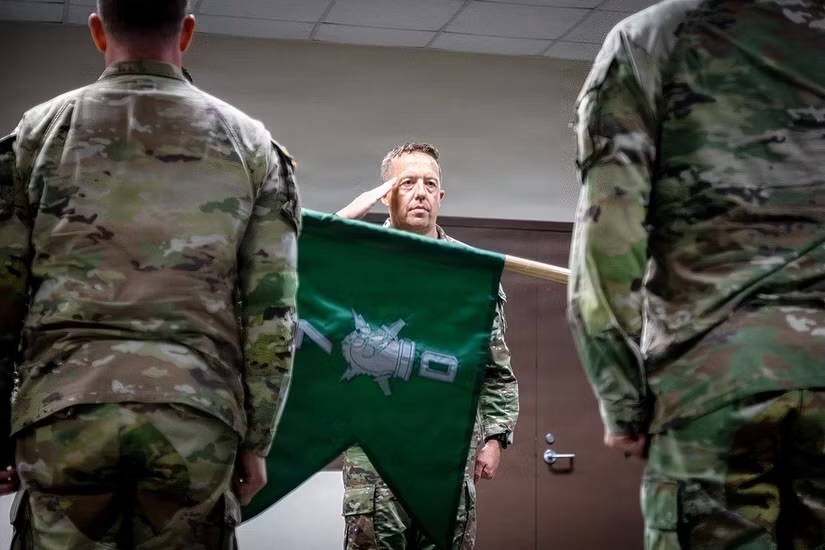
Military analysts increasingly argue that armed conflict is only one dimension of modern warfare.
Winning support from local communities can be as important as defeating armed groups.
A population that trusts its government is generally less vulnerable to extremist recruitment or foreign manipulation.
Conversely, misinformation, ethnic tensions, conspiracy theories, and anti-government narratives can undermine security without a single shot being fired.
The U.S. Army’s new Africa-focused PSYOP capability appears designed to operate in this environment.
Instead of concentrating solely on kinetic operations, it seeks to shape information ecosystems before crises escalate.
What Would Africa-Focused Psychological Operations Look Like?
Unlike Cold War-era propaganda, modern psychological operations are highly tailored to local cultures and languages.
An Africa-focused unit would likely develop campaigns specific to regional contexts rather than adopting a one-size-fits-all approach.
Possible areas of focus include:
Countering Extremist Messaging
Militant organizations rely heavily on online recruitment.
Psychological operations may produce locally relevant content challenging extremist ideology, amplifying voices of former fighters, and promoting alternative narratives.
Combating Foreign Disinformation
Western governments have accused Russia-linked networks of spreading false information designed to weaken democratic institutions and increase anti-Western sentiment in parts of Africa.
An Africa-focused PSYOP unit could work to identify and counter such campaigns.
Supporting Election Stability
Information campaigns may encourage peaceful participation in elections, discourage political violence, and counter false rumors capable of triggering unrest.
Crisis Communication
During disease outbreaks, humanitarian emergencies, or armed conflicts, psychological operations can assist governments in communicating verified information quickly and effectively.
Digital Engagement
Instead of relying only on traditional media, future campaigns may involve social media platforms, local influencers, community radio stations, podcasts, WhatsApp messaging networks, and multilingual digital content.
Who Benefits?
Supporters argue that the strategy offers several potential advantages.
African governments confronting insurgencies may receive improved communications support.
Communities affected by extremist violence could gain access to credible information that challenges militant recruitment.
Humanitarian organizations may benefit from better public awareness campaigns during emergencies.
The United States could strengthen relationships with African partners without maintaining large combat deployments.
Military planners also argue that influencing public perceptions is significantly less costly than prolonged military interventions.
Who Raises Concerns?

Critics caution that psychological operations inevitably raise ethical and political questions.
Civil society organizations warn that influence campaigns can blur the line between public information and manipulation.
Some African analysts question whether foreign governments should shape domestic narratives, particularly during elections or political crises.
Others fear that Africa could become another arena for global information warfare involving competing campaigns from the United States, Russia, China, and other international powers.
There are also concerns about transparency.
Unlike conventional military deployments, information operations often occur quietly, making public oversight more difficult.
Africa’s Growing Information Battlefield
The emergence of a dedicated U.S. psychological operations capability underscores a broader transformation in international security.
Today’s geopolitical competition increasingly involves controlling narratives, influencing online conversations, and building public trust.
Africa’s rapidly growing internet population, expanding digital economy, youthful demographics, and strategic importance make the continent central to this evolving contest.
For African governments, the challenge will be balancing international partnerships while safeguarding information sovereignty and protecting citizens from manipulation—whether it originates from extremist groups, foreign governments, or domestic political actors.
The Bigger Picture
The creation of an Africa-focused psychological operations unit reflects Washington’s recognition that future influence on the continent may depend less on military bases and more on ideas, information, and perception.
As major powers compete for strategic partnerships across Africa, battles for influence are increasingly unfolding not only on the ground but also on smartphones, radio stations, television screens, and social media feeds.
For Africa, the critical question is no longer whether information warfare will shape the continent’s future—it already is. The real challenge is ensuring that Africans remain active participants in defining their own narratives rather than becoming passive audiences in a contest among global powers.


