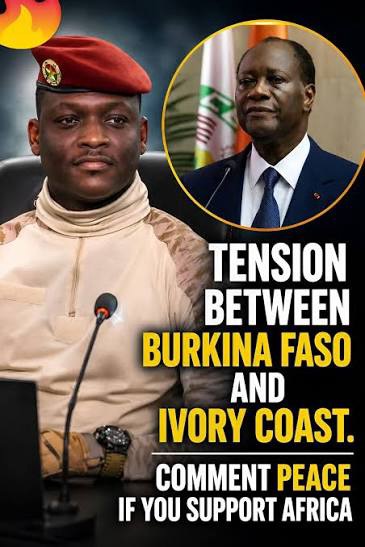
The border region between Côte d’Ivoire and Burkina Faso has become one of West Africa’s most sensitive security zones, where residents increasingly find themselves caught between multiple threats. What was once primarily a frontline against the southward expansion of jihadist groups from the Sahel has now evolved into a far more complex and volatile situation.
For communities living along the frontier, insecurity has become a daily reality. Villages that once relied on cross-border trade, agriculture, and family ties are now navigating an atmosphere of fear, military vigilance, and growing uncertainty about the future.
For years, governments across the region have focused on combating armed extremist organizations operating throughout the Sahel. These groups have expanded their influence across parts of Burkina Faso, Mali, and Niger, raising concerns among neighboring countries such as Côte d’Ivoire, Ghana, Togo, and Benin. The threat of cross-border attacks has prompted increased military deployments and heightened surveillance throughout the region.
However, residents along the Burkina Faso–Côte d’Ivoire border say another source of anxiety has emerged: the Volunteers for the Defence of the Homeland (VDPs), auxiliary civilian forces established to support the Burkinabé military in its fight against insurgent groups.
The VDP program was created as part of Burkina Faso’s broader strategy to strengthen local resistance against armed extremist organizations. Thousands of volunteers have been mobilized across the country, providing intelligence, participating in patrols, and supporting military operations in areas where government forces face significant challenges.
While authorities view the initiative as a necessary response to an escalating security crisis, human rights observers and local residents have expressed concerns about the growing influence of irregular armed groups operating in conflict zones. Some communities fear that the blurred lines between civilian volunteers and military personnel could contribute to tensions, misunderstandings, and increased insecurity in already fragile regions.
On the Ivorian side of the border, security forces remain on high alert. Military patrols have intensified as authorities seek to prevent infiltration by extremist groups and maintain stability in northern territories. Border checkpoints have become more frequent, and surveillance operations have expanded in response to changing security dynamics.
Rare access granted to journalists accompanying Ivorian military patrols reveals the extent of preparations underway. Soldiers conduct regular reconnaissance missions through remote areas, monitor key transit routes, and maintain a visible presence in communities considered vulnerable to cross-border threats.
Military officials emphasize that their primary objective is to protect civilian populations and prevent the spread of instability into Côte d’Ivoire. Nevertheless, the challenge remains formidable. Vast stretches of difficult terrain, porous borders, and the mobility of armed groups continue to complicate security efforts.
For local residents, the consequences extend beyond immediate security concerns. Economic activity has slowed in some areas as traders become increasingly cautious about traveling between neighboring countries. Farmers report difficulties accessing certain lands, while families with relatives across the border face disruptions to long-standing social and cultural connections.
Regional analysts warn that the situation underscores a broader challenge confronting West Africa. The security crisis can no longer be understood solely through the lens of extremist violence. The emergence of community defense forces, evolving military strategies, and shifting alliances have created a more complex landscape that requires careful management by governments and regional institutions.
As Côte d’Ivoire strengthens its border defenses and Burkina Faso continues its campaign against insurgent groups, the people living between these two nations remain at the center of the unfolding crisis. Their hopes rest on the restoration of stability, effective security measures, and long-term solutions capable of addressing both the immediate threats and the deeper conditions that fuel conflict across the Sahel.
For now, life along the border remains defined by vigilance, uncertainty, and the enduring search for peace in one of West Africa’s most strategically important regions.
Leave a Reply