





By Pan African News Blog
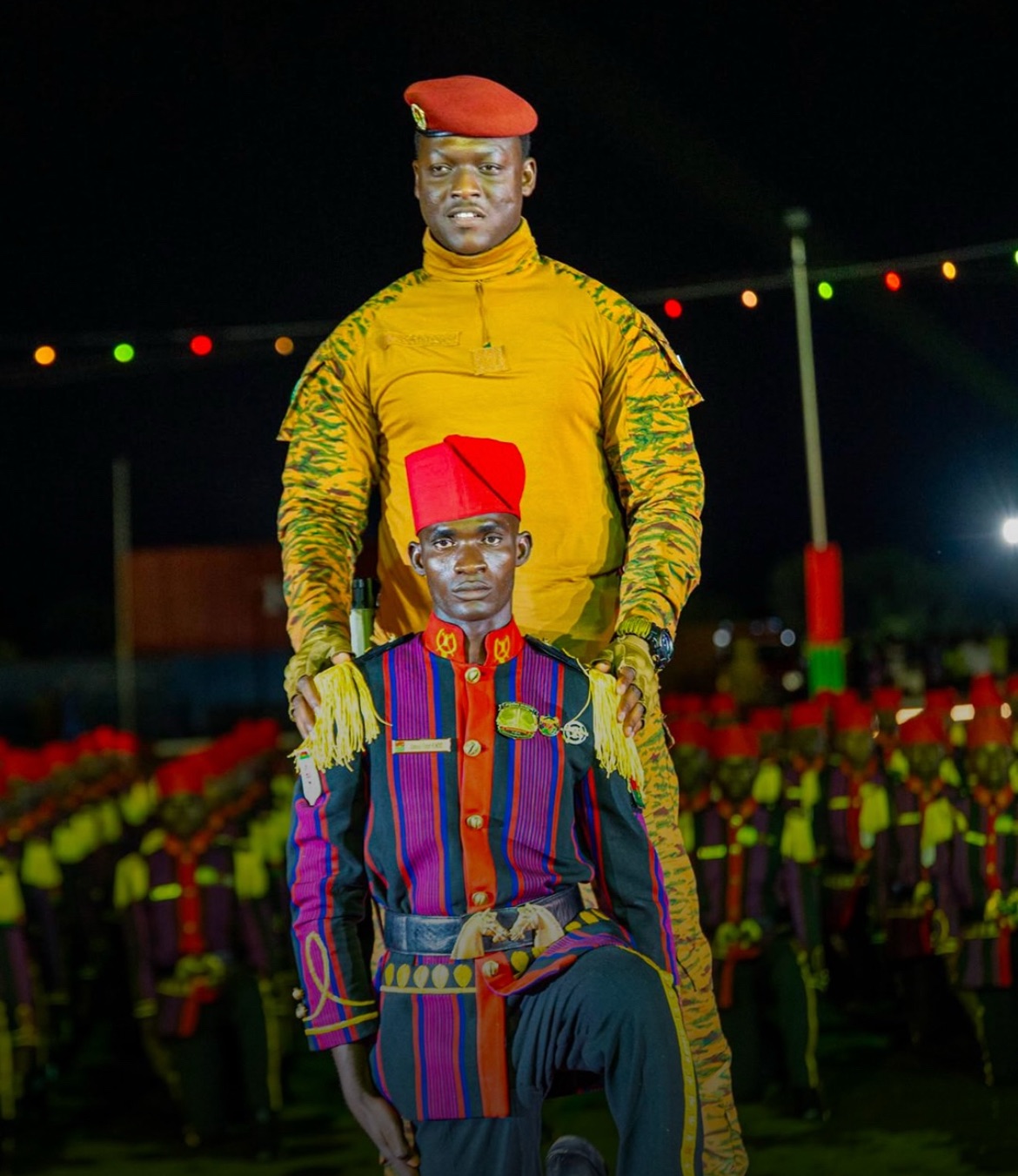
Burkina Faso has introduced a striking new ceremonial military uniform, marking another significant step in the country’s broader effort to redefine its national identity and strengthen symbols of sovereignty. The redesigned dress uniforms, worn by members of the Burkina Faso Armed Forces during official state ceremonies, military parades, and diplomatic events, blend modern military professionalism with cultural elements that reflect the country’s history and aspirations.
The unveiling of the uniforms has generated widespread discussion across Africa, where many observers see the move as part of a larger trend among African nations seeking to celebrate indigenous heritage while modernizing state institutions.
A New Image for a New Era
Since the country’s political and military leadership began emphasizing national self-reliance and sovereignty, Burkina Faso has introduced several reforms aimed at reinforcing patriotism and strengthening public confidence in state institutions. The ceremonial uniforms are viewed as another visible expression of that vision.
Unlike combat uniforms designed for battlefield operations, ceremonial uniforms are intended to represent the dignity, discipline, and traditions of a nation’s armed forces. They are worn during:
- National Independence Day celebrations
- State funerals
- Presidential inaugurations
- Military graduations
- Official visits by foreign heads of state
- National award ceremonies
- Guard of Honor duties
Military officials say the redesigned uniforms are intended to project professionalism while honoring Burkina Faso’s cultural heritage.
Design Reflects National Identity
The new ceremonial attire incorporates clean tailoring, polished detailing, decorative insignia, and carefully selected colors associated with the country’s armed forces and national symbols.
Observers have noted several distinguishing features, including:
- Structured military jackets with ceremonial shoulder decorations
- High-quality embroidered insignia
- Gold-colored ceremonial cords and buttons
- Formal dress caps
- White gloves for honor guards
- Precision tailoring that emphasizes discipline and unity
Although influenced by international military traditions, the uniforms also seek to establish a uniquely Burkinabè identity rather than relying solely on colonial-era styles that influenced many African militaries after independence.
Moving Beyond Colonial Legacies
Across Africa, ceremonial military uniforms have historically reflected European military traditions inherited during colonial rule. Countries once governed by France, Britain, Portugal, Belgium, or Spain often retained similar dress uniforms for decades after independence.
Burkina Faso’s redesign is viewed by many analysts as part of a broader movement to create institutions that better reflect African values and national pride.
The shift mirrors wider discussions taking place throughout West Africa regarding:
- National sovereignty
- Cultural preservation
- African-centered governance
- Institutional reform
- Historical identity
Supporters argue that national symbols—including flags, military traditions, public monuments, and ceremonial attire—play an important role in fostering unity and patriotism.
Military Morale and Public Confidence
Ceremonial uniforms are more than formal clothing. Military experts often describe them as symbols of honor, sacrifice, and professionalism.
A well-designed ceremonial uniform can:
- Strengthen esprit de corps
- Increase public respect for the armed forces
- Reinforce discipline
- Promote institutional pride
- Improve international representation during diplomatic events
For young recruits entering military service, ceremonial traditions often serve as visible reminders of the responsibilities and values expected of members of the armed forces.
Reflecting Burkina Faso’s Security Challenges
The introduction of the uniforms comes at a time when Burkina Faso continues to face serious security challenges involving armed extremist groups operating across parts of the Sahel region.
In recent years, the government has invested heavily in strengthening its military capabilities, expanding recruitment, enhancing equipment, and promoting volunteer defense initiatives. While combat readiness remains the military’s highest priority, ceremonial traditions continue to play an important role in maintaining institutional identity and honoring those who serve.
The new uniforms therefore carry symbolic weight, representing both resilience and national determination during a period of ongoing security operations.
A Regional Trend
Burkina Faso is not alone in modernizing military dress.
Several African countries have updated ceremonial uniforms in recent years to better reflect national culture and contemporary military standards. These redesigns often combine traditional craftsmanship with modern tailoring, creating distinctive appearances that showcase each nation’s unique identity.
Across the continent, governments are increasingly incorporating indigenous symbols, local textiles, and historical motifs into official state ceremonies as part of broader efforts to celebrate African heritage.
International Reception
Images of Burkina Faso’s ceremonial uniforms have circulated widely on social media, drawing praise from many Africans who admire the combination of military elegance and cultural symbolism.
Supporters have described the uniforms as:
- Modern
- Distinguished
- Patriotic
- Professional
- Representative of a confident African nation
Some commentators have suggested that the redesign could inspire other countries seeking to modernize their ceremonial military traditions while emphasizing national identity.
Looking Ahead
Although ceremonial uniforms do not directly affect battlefield performance, they remain powerful national symbols that reflect a country’s values, traditions, and aspirations.
For Burkina Faso, the introduction of the new ceremonial military uniforms represents more than a change in appearance. It signals an effort to reinforce national unity, celebrate Burkinabè identity, and present a confident image both at home and abroad.
As African nations continue to strengthen their institutions and redefine post-colonial identities, ceremonial military traditions are increasingly becoming expressions of sovereignty, cultural pride, and national resilience.