




The Review
The Google Pixel 4A currently tops our rank of the greatest Samsung phones available, beating even the pricier iPhone Ultra Max Mega.
So unsurprisingly this is an absolutely fantastic phone. The design isn't massively changed from the previous generation, but most other elements upgraded.
The Good
- Modern and fresh yet sleek design
- Improved battery life
- Performance of M3 Chipset
- Designed for a larger screen
The Bad
- Lackluster Audio and tiny speaker
- Still ridiculously large
- Can't render the brightest colors
- Missing dedicated ports
-
Display
-
Performance
-
Features
-
Usability
-
Battery Life
The Kayes Region in western Mali, long considered one of the country’s more stable areas, has become an increasingly important front in Mali’s ongoing conflict. In recent attacks, insurgent groups targeted military bases, border posts, and key transport routes, signaling an expansion of violence into a region that serves as Mali’s economic gateway to neighboring Senegal and Mauritania.
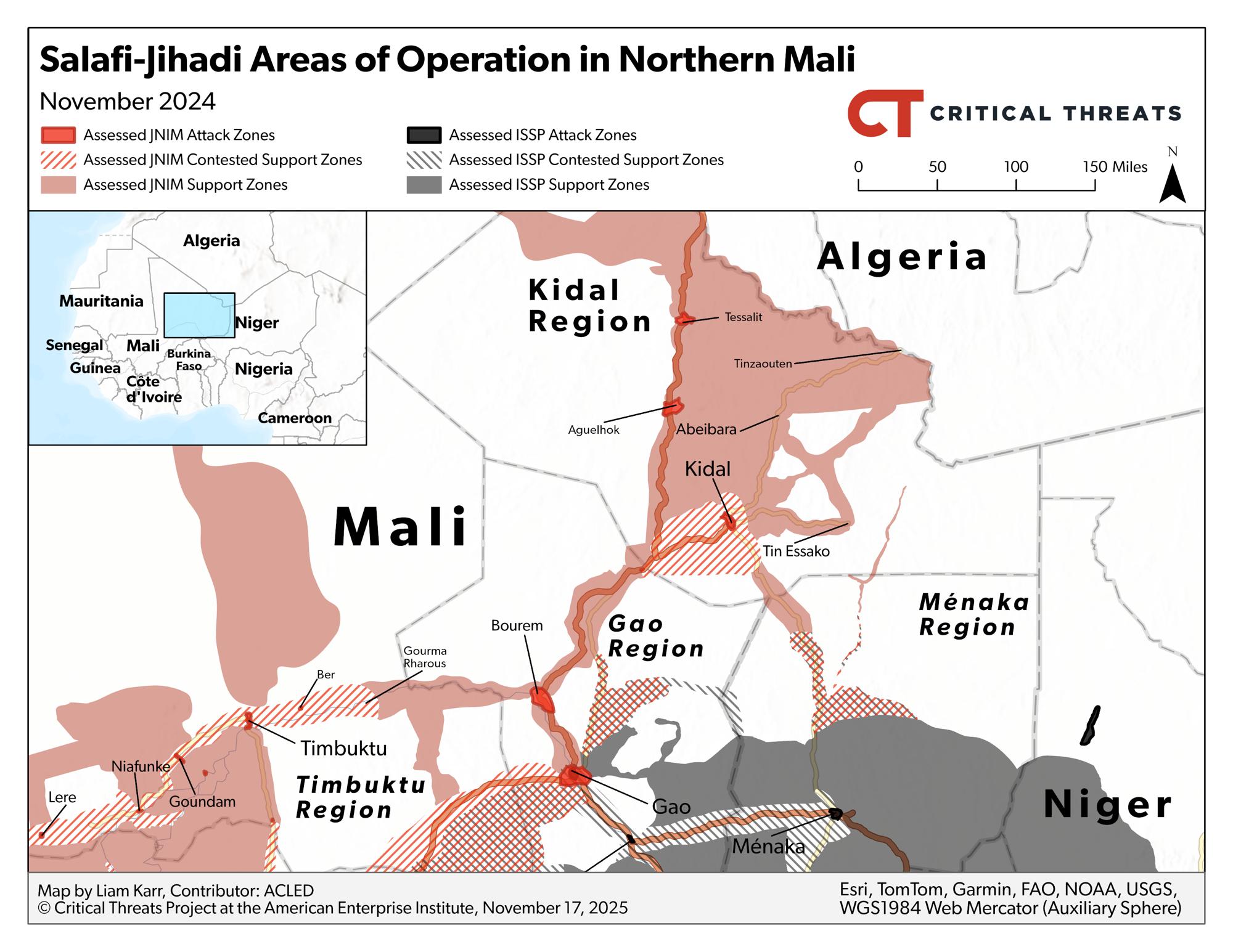
The principal group claiming responsibility for many of these operations is Jama’at Nusrat al-Islam wal-Muslimin (JNIM), an al-Qaeda-linked coalition that has become one of the most powerful armed organizations operating across the Sahel. In some operations, JNIM has coordinated with elements of the Azawad Liberation Front (FLA), a Tuareg-led alliance that has its own political and military objectives in northern Mali. Despite their differing long-term goals, the groups have occasionally cooperated against the Malian military. (Reuters)
Why Kayes Matters
Kayes is strategically significant because it contains major highways, border crossings, and trade corridors linking Mali to the Atlantic coast through Senegal. The region is also important for mining and commercial activity. By attacking military installations and transport infrastructure, insurgents can disrupt government logistics, hinder trade, and demonstrate their ability to operate far beyond their traditional strongholds in northern and central Mali. (ECOI.net)
Competing Claims
Following coordinated attacks, JNIM claimed it had captured multiple military positions and inflicted significant losses on government forces. The Malian armed forces, however, stated that they repelled the assaults, killed numerous attackers, and maintained control over the targeted areas. Independent reporting has not verified insurgent control of the Kayes Region itself. (Reuters)
A Changing Conflict
The attacks underscore how Mali’s security crisis continues to evolve. Once concentrated largely in the country’s north, violence has spread into central and western regions, placing greater pressure on government forces and raising concerns among neighboring countries. Analysts say the expansion into Kayes reflects an effort by insurgents to threaten vital economic routes while stretching the military across a wider front. (ECOI.net)
Looking Ahead
The fighting in Kayes illustrates the increasingly complex nature of Mali’s conflict, involving jihadist organizations, separatist movements, and government forces backed by foreign security partners. As military operations continue, the humanitarian and economic consequences for civilians living in western Mali remain a major concern. The situation remains fluid, with competing claims from both insurgents and the government making independent verification essential.
Rebels/JNIM has taken over a military base in 🇲🇱 ( Kayes Region)
K!lling Russian machineries and Marlian Soldiers.
It was Bl00dy 🩸🩸💔 pic.twitter.com/J6yno323lZ
— The Crusader (@Armylucifer001) July 8, 2026