






By Pan African News Blog Staff
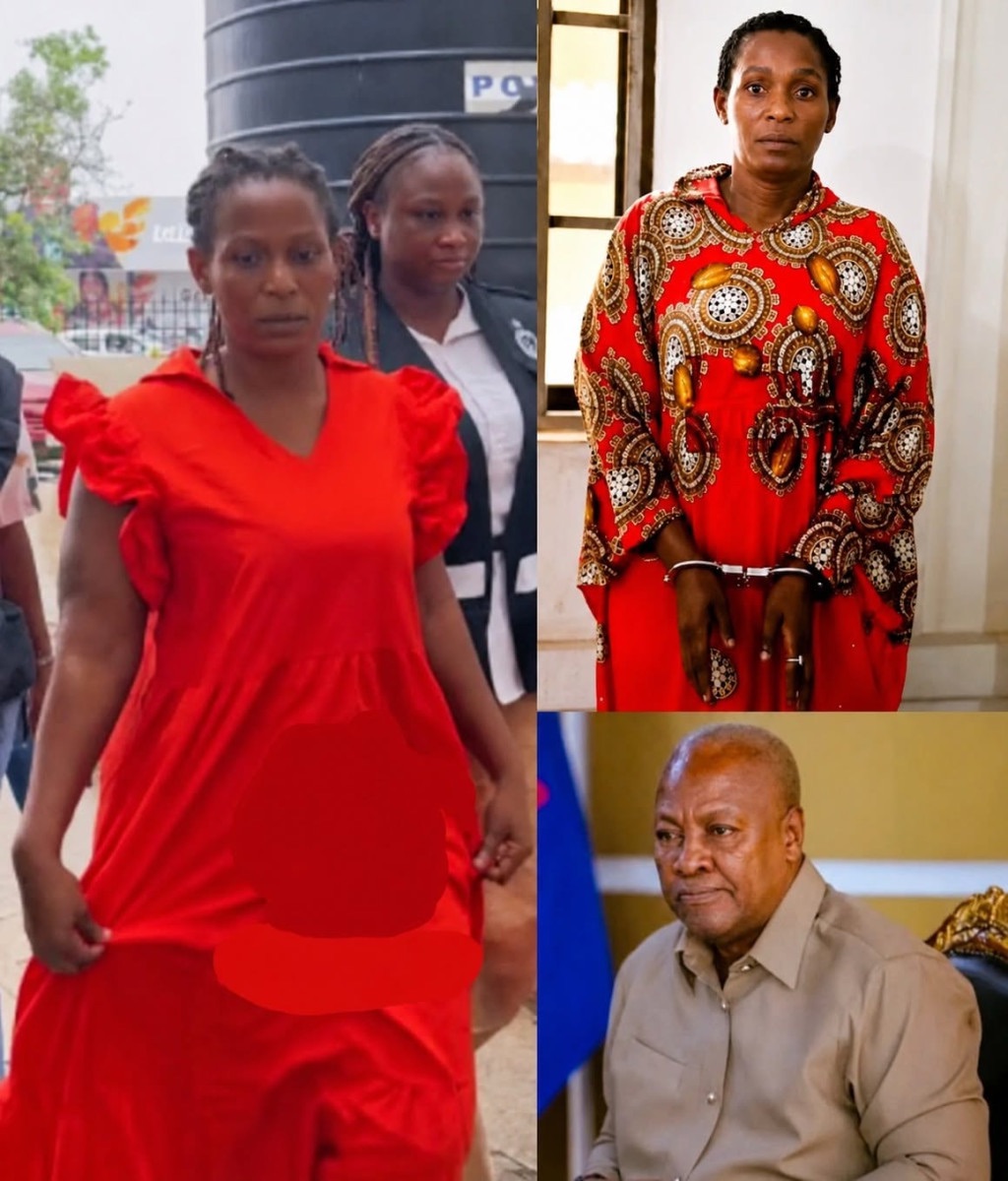
Accra, Ghana — Ghanaian TikToker Camilla Alhassan has been sentenced to one year in prison by the Accra Circuit Court after pleading guilty to charges of offensive conduct and the publication of false news, in a case that has sparked widespread debate about misinformation, freedom of expression, and accountability on social media.
According to information shared by local media outlets, the conviction stems from videos Alhassan posted on social media in which she claimed—without providing evidence—that Ghanaian President John Dramani Mahama had buried 32 cows as part of alleged traditional rituals to secure victory in the 2024 general elections.
The allegations quickly spread across social media platforms, attracting significant public attention and prompting legal action by the authorities.
Court Proceedings
The Accra Circuit Court accepted Alhassan’s guilty plea before postponing sentencing to allow for a pregnancy test. Following the completion of those proceedings, the court delivered its judgment, sentencing the content creator to 12 months’ imprisonment.
The conviction marks one of Ghana’s most closely watched legal cases involving misinformation shared through social media platforms.
The Growing Challenge of Digital Misinformation
The case underscores the increasing challenges African governments face in balancing freedom of speech with efforts to combat the spread of false information online.
As social media continues to shape public opinion across the continent, authorities have become increasingly concerned about content that could undermine public confidence, influence elections, or damage the reputations of individuals through unverified claims.
Legal experts note that while citizens have the constitutional right to express their opinions, those rights do not generally extend to knowingly publishing false statements that may cause public harm or defame others.
Public Reaction
The sentence has generated mixed reactions online.
Some Ghanaians believe the ruling sends a strong message that social media users should verify information before sharing it, arguing that viral misinformation can have serious consequences for public trust and national stability.
Others have questioned whether a custodial sentence is proportionate, suggesting that fines, community service, or mandatory public retractions could serve as alternative penalties while preserving freedom of expression.
The debate reflects a broader conversation taking place across Africa, where governments, civil society organizations, and technology companies continue to grapple with how to address online misinformation without unnecessarily restricting legitimate speech.
A Reminder for Content Creators
The conviction serves as a cautionary tale for influencers, bloggers, and digital content creators whose platforms reach thousands—or even millions—of people.
Publishing allegations involving public figures without credible evidence can lead not only to reputational harm but also to legal consequences under national laws governing false publications and public order.
As digital media becomes increasingly influential across Africa, experts continue to encourage responsible journalism, fact-checking, and ethical content creation to help preserve public trust in information shared online.
Looking Ahead
The case is expected to remain a point of discussion among legal scholars, media practitioners, and advocates for digital rights. It highlights the delicate balance governments must maintain between protecting citizens from harmful misinformation and safeguarding the fundamental right to free expression.
For content creators across the continent, the message is clear: influence carries responsibility, and accuracy matters.
Editor’s Note: This article is based on publicly reported court proceedings. Individuals convicted by a court may have legal rights to appeal their convictions or sentences in accordance with Ghanaian law.


